Saving Our Parks_ Conservation Efforts in California

Exploring the Majestic California National Parks A Journey into Natural Wonders
California, a land of diverse landscapes and breathtaking beauty, is home to some of the most stunning national parks in the United States. From the towering sequoias of Sequoia National Park to the dramatic cliffs of Yosemite, these protected areas offer a glimpse into the raw power and serene tranquility of nature. This comprehensive guide will take you on a virtual tour of California's national parks, highlighting their unique features, recreational opportunities, and conservation efforts.
Yosemite National Park An Icon of Natural Grandeur
Yosemite National Park, a UNESCO World Heritage Site, is renowned for its granite cliffs, giant sequoia trees, and cascading waterfalls. The park's iconic landmarks, such as Half Dome and El Capitan, draw visitors from around the globe.
Hiking Trails in Yosemite Discovering Hidden Gems
Yosemite boasts a vast network of hiking trails, catering to all skill levels. The Mist Trail, leading to Vernal Fall and Nevada Fall, is a popular choice, offering stunning views of the waterfalls. For a more challenging hike, consider the Yosemite Falls Trail, which climbs to the top of North America's tallest waterfall. Don't forget to pack plenty of water, snacks, and sunscreen, and be prepared for changing weather conditions.
Camping in Yosemite Embracing the Wilderness
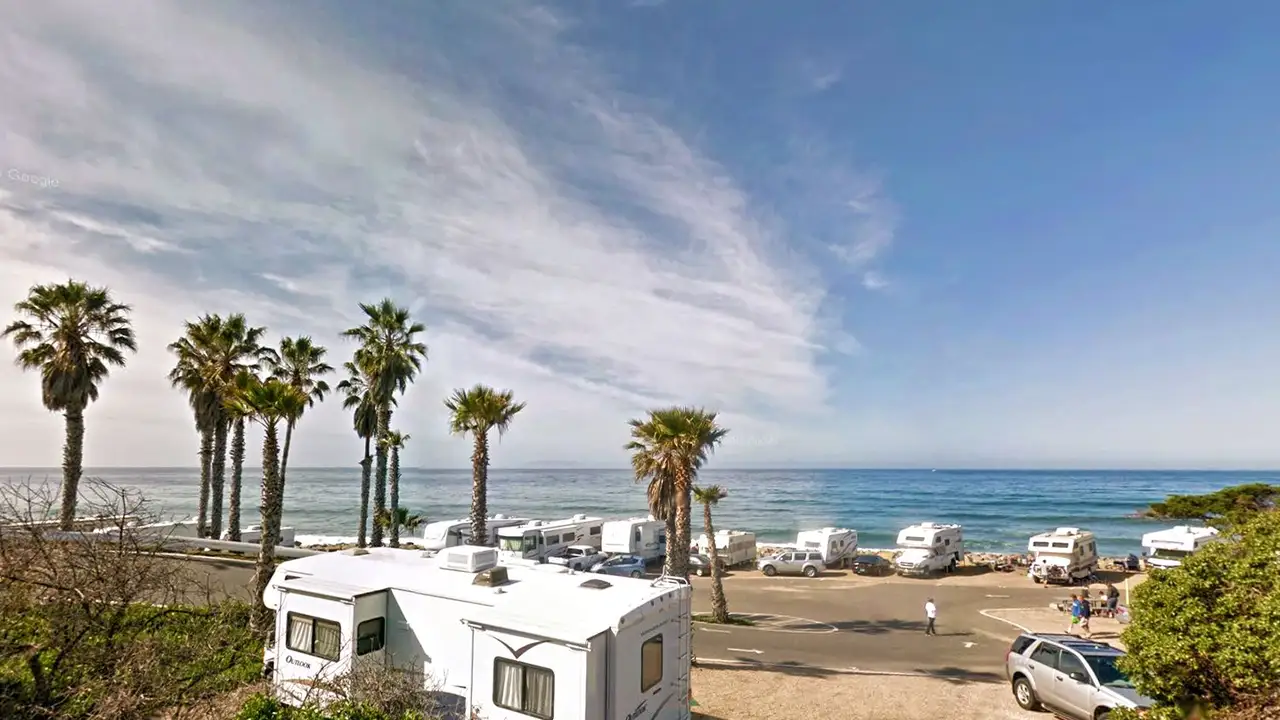
Camping is a fantastic way to immerse yourself in the beauty of Yosemite. The park offers a variety of campgrounds, ranging from developed sites with amenities to more primitive backcountry options. Reservations are highly recommended, especially during peak season. Be sure to follow all park regulations regarding food storage to prevent encounters with wildlife.
Photography in Yosemite Capturing the Beauty
Yosemite is a photographer's paradise, offering endless opportunities to capture stunning images. The golden hour, just after sunrise and before sunset, is an ideal time to photograph the park's iconic landmarks. Be patient, and experiment with different angles and compositions to create unique and memorable photos.
Sequoia National Park Home of the Giants
Sequoia National Park is famous for its giant sequoia trees, the largest living organisms on Earth. The park is also home to Mount Whitney, the highest peak in the contiguous United States.
Marveling at the Giant Sequoias Awe-Inspiring Trees
Walking among the giant sequoias is an unforgettable experience. The General Sherman Tree, the largest tree by volume, is a must-see. Take your time to appreciate the sheer size and age of these magnificent trees. The Giant Forest Museum provides information about the sequoias and their ecosystem.
Hiking in Sequoia Exploring the High Country
Sequoia National Park offers a variety of hiking trails, ranging from easy strolls to challenging climbs. The Moro Rock Trail, a short but steep climb, offers panoramic views of the surrounding landscape. The Congress Trail, a paved path through the Giant Forest, is a great option for families with young children.
Camping in Sequoia Stargazing Under the Giants
Camping in Sequoia National Park is a wonderful way to experience the park's beauty. The park offers several campgrounds, located in both the Giant Forest and the foothills. Be sure to bring warm clothing, as temperatures can drop significantly at night. Stargazing is exceptional in Sequoia, thanks to the park's dark skies.
Death Valley National Park A Land of Extremes
Death Valley National Park is a land of extremes, boasting the lowest elevation in North America, the hottest temperatures, and some of the driest conditions. Despite its harsh environment, Death Valley is a place of stunning beauty and surprising diversity.
Exploring Zabriskie Point A Dramatic Landscape
Zabriskie Point offers panoramic views of Death Valley's eroded badlands. The golden hues of the landscape are particularly striking at sunrise and sunset. Take your time to explore the area and appreciate the unique geological formations.
Visiting Badwater Basin The Lowest Point in North America
Badwater Basin, located 282 feet below sea level, is the lowest point in North America. The salt flats stretch for miles, creating a surreal and otherworldly landscape. Be sure to bring plenty of water and sunscreen, as temperatures can be extreme.
Driving Through Death Valley Scenic Routes and Hidden Gems
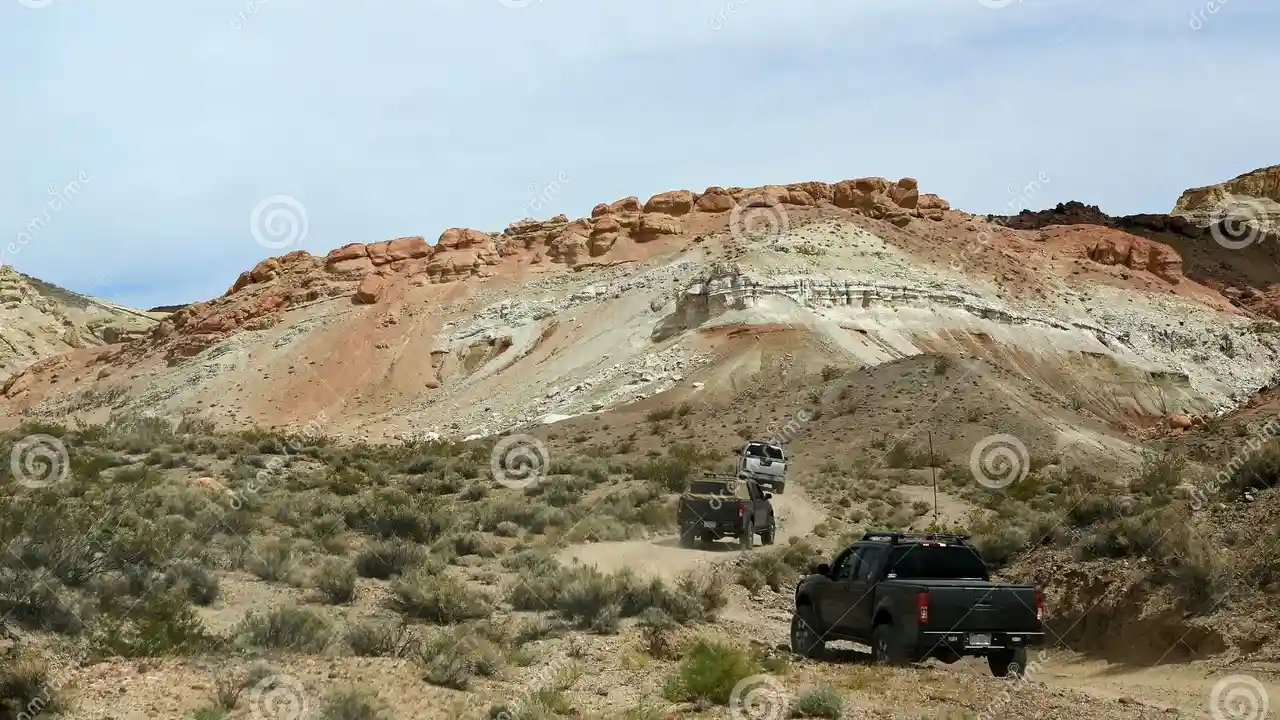
Driving through Death Valley is a great way to see the park's diverse landscapes. The Artist's Drive, a scenic loop, offers stunning views of colorful rock formations. Dante's View provides panoramic views of the entire valley. Be sure to check road conditions before you go, as some roads may be closed due to flooding or other hazards.
Redwood National and State Parks Towering Giants and Coastal Beauty
Redwood National and State Parks protect nearly half of all remaining old-growth redwood forests. These towering trees, some of the tallest on Earth, create a magical and awe-inspiring environment.
Walking Among the Redwoods An Unforgettable Experience
Walking among the redwoods is an unforgettable experience. The Lady Bird Johnson Grove, a short loop trail, offers a glimpse into the redwood ecosystem. The Tall Trees Grove, requires a permit to access, and features some of the tallest trees in the world.
Exploring the Coastline Rugged Beaches and Scenic Views
Redwood National and State Parks also protect a stunning coastline, with rugged beaches, dramatic cliffs, and scenic views. Gold Bluffs Beach, a wide sandy beach, is a great place to spot Roosevelt elk. Fern Canyon, a narrow canyon with walls covered in ferns, is a unique and beautiful destination.
Hiking in Redwood Discovering Hidden Trails
Redwood National and State Parks offer a variety of hiking trails, ranging from easy strolls to challenging climbs. The Coastal Trail, a multi-day backpacking trip, follows the coastline, offering stunning views of the ocean. The Redwood Creek Trail, a longer hike, leads to a secluded swimming hole.
Lassen Volcanic National Park A Land of Fire and Ice
Lassen Volcanic National Park is a land of fire and ice, showcasing volcanic landscapes, hydrothermal features, and pristine forests. The park is home to Lassen Peak, the largest plug dome volcano in the world.
Exploring Bumpass Hell Hydrothermal Wonders
Bumpass Hell, the largest hydrothermal area in Lassen Volcanic National Park, features boiling mud pots, steaming fumaroles, and colorful hot springs. A boardwalk trail allows visitors to safely explore this unique landscape. Be sure to stay on the trail, as the ground can be unstable and dangerous.
Hiking to Lassen Peak A Volcanic Summit
Hiking to the summit of Lassen Peak is a challenging but rewarding experience. The trail climbs over 2,000 feet, offering panoramic views of the surrounding landscape. Be prepared for changing weather conditions, and bring plenty of water and sunscreen.
Camping in Lassen Volcanic Stargazing Under Dark Skies
Camping in Lassen Volcanic National Park is a wonderful way to experience the park's beauty. The park offers several campgrounds, located near lakes, streams, and hiking trails. Stargazing is exceptional in Lassen, thanks to the park's dark skies.
Channel Islands National Park California's Galapagos
Channel Islands National Park, often referred to as California's Galapagos, is a chain of five islands located off the coast of Southern California. The islands are home to a unique array of plant and animal life, many of which are found nowhere else on Earth.
Exploring Anacapa Island Seabird Colonies and Coastal Views
Anacapa Island is the closest island to the mainland and is known for its seabird colonies and dramatic coastal views. The island is a popular destination for birdwatching and hiking. A short loop trail leads to Inspiration Point, offering stunning views of the surrounding ocean.
Visiting Santa Cruz Island Caves, Canyons, and Pristine Beaches
Santa Cruz Island, the largest of the Channel Islands, offers a diverse landscape of caves, canyons, and pristine beaches. The island is a popular destination for kayaking, hiking, and camping. Scorpion Anchorage provides access to several hiking trails and kayaking opportunities.
Snorkeling and Diving in the Channel Islands Underwater Wonders
The waters surrounding the Channel Islands are teeming with marine life, making them a popular destination for snorkeling and diving. The kelp forests provide habitat for a variety of fish, invertebrates, and marine mammals. Several dive operators offer trips to the islands.
Pinnacles National Park Volcanic Landscapes and Condor Sightings
Pinnacles National Park, California's newest national park, is characterized by its dramatic volcanic landscapes, talus caves, and diverse wildlife. The park is also a sanctuary for the endangered California condor.
Hiking Through the Talus Caves A Unique Adventure
Pinnacles National Park is home to several talus caves, formed by massive boulders that have fallen into narrow canyons. The caves are home to bats and other wildlife. Be sure to bring a flashlight or headlamp to explore the caves safely.
Spotting California Condors A Rare Sight
Pinnacles National Park is a key habitat for the endangered California condor. The park offers several opportunities to spot these magnificent birds soaring overhead. The High Peaks Trail is a good place to look for condors.
Rock Climbing in Pinnacles A Challenging Pursuit
Pinnacles National Park is a popular destination for rock climbing, offering a variety of routes for all skill levels. The park's volcanic rock provides a unique and challenging climbing experience. Be sure to check climbing conditions before you go, as some areas may be closed due to nesting birds.
Conservation Efforts in California National Parks Protecting Our Natural Heritage
California's national parks face a variety of challenges, including climate change, invasive species, and increasing visitation. Park rangers and conservation organizations are working tirelessly to protect these natural treasures for future generations.
Combating Climate Change Protecting Sensitive Ecosystems
Climate change is having a significant impact on California's national parks, leading to rising temperatures, reduced snowpack, and increased wildfire risk. Park managers are implementing strategies to mitigate the effects of climate change, such as restoring watersheds, reducing greenhouse gas emissions, and protecting sensitive ecosystems.
Controlling Invasive Species Preserving Native Biodiversity
Invasive species are a major threat to California's national parks, outcompeting native plants and animals and disrupting ecosystems. Park rangers are working to control invasive species through a variety of methods, including manual removal, chemical control, and biological control.
Managing Visitation Balancing Recreation and Preservation
Increasing visitation to California's national parks is putting a strain on resources and impacting the visitor experience. Park managers are implementing strategies to manage visitation, such as reservation systems, shuttle services, and educational programs.
Gear Recommendations for Your California National Park Adventure Essential Equipment and Apparel
To make the most of your California national park adventure, it's important to pack the right gear. Here are some essential items to consider:
Hiking Boots Choosing the Right Footwear
A good pair of hiking boots is essential for exploring California's national parks. Look for boots that provide good ankle support, traction, and waterproof protection. Consider the Salomon X Ultra 4 Mid GTX hiking boots. They offer excellent support, waterproofing, and a comfortable fit. They retail for around $160. A cheaper alternative would be the Merrell Moab 2 Vent, which is around $100. However, these are not waterproof.
Backpack Carrying Your Essentials
A comfortable and durable backpack is essential for carrying your essentials, such as water, snacks, sunscreen, and extra layers of clothing. The Osprey Talon 22 is a great daypack option, offering plenty of space and comfortable suspension. It retails for around $130. For overnight trips, consider the Osprey Atmos AG 65, which is a larger pack with excellent support and ventilation. This pack costs around $300.
Water Bottle Staying Hydrated on the Trail
Staying hydrated is crucial when hiking in California's national parks. A reusable water bottle is a must-have item. The Hydro Flask 32 oz Wide Mouth is a popular choice, keeping water cold for hours. These are around $45. A cheaper option is a Nalgene bottle, which is around $15 and very durable.
Sunscreen Protecting Your Skin from the Sun
The sun can be intense in California's national parks, even on cloudy days. Apply sunscreen liberally and reapply every two hours, or more often if swimming or sweating. Look for a sunscreen with an SPF of 30 or higher. Neutrogena Ultra Sheer Dry-Touch Sunscreen is a good option.
Layers of Clothing Adapting to Changing Weather Conditions
Weather conditions in California's national parks can change rapidly, so it's important to dress in layers. A base layer, a mid-layer, and an outer layer will allow you to adapt to changing temperatures. A good fleece jacket is a versatile mid-layer option. For a base layer, consider merino wool, which is breathable and moisture-wicking. Patagonia R1 fleece jacket costs around $150. For a base layer, you can get merino wool shirts from Icebreaker for around $80.
Navigation Tools Staying on Course
A map and compass are essential navigation tools for hiking in California's national parks, even if you have a GPS device. Learn how to use a map and compass before you go. A GPS device can be a useful supplement, but it should not be relied upon as your sole navigation tool. Garmin eTrex 22x costs around $200 and is a good GPS option. A compass from Silva would cost around $30.
Product Comparison Hiking Boots
Choosing the right hiking boots can make or break your trip. Here's a comparison of popular hiking boot options.
Salomon X Ultra 4 Mid GTX vs Merrell Moab 2 Vent
The Salomon X Ultra 4 Mid GTX excels in waterproofing and support, making it ideal for challenging terrain and wet conditions. However, it is more expensive. The Merrell Moab 2 Vent offers excellent ventilation and a more affordable price point, but lacks waterproofing. Consider your hiking needs and budget when making your decision.
Osprey Talon 22 vs Deuter Speed Lite 20
The Osprey Talon 22 offers a more robust suspension system and better organization features. The Deuter Speed Lite 20 is lighter and more streamlined, making it a good choice for fast-paced hikes. The Osprey is more comfortable for heavier loads, while the Deuter is more nimble.
Detailed Information on Specific Products
Salomon X Ultra 4 Mid GTX Detailed Specs and Pricing
The Salomon X Ultra 4 Mid GTX hiking boots feature a Gore-Tex membrane for waterproof protection, a Contagrip outsole for excellent traction, and a supportive chassis for stability. They weigh approximately 1.1 lbs per pair and retail for around $160. They are available in men's and women's sizes.
Osprey Atmos AG 65 Detailed Specs and Pricing
The Osprey Atmos AG 65 backpack features an Anti-Gravity suspension system for comfortable load carrying, a Fit-on-the-Fly adjustable hipbelt and shoulder straps, and multiple pockets for organization. It weighs approximately 4.8 lbs and has a capacity of 65 liters. It retails for around $300 and is available in multiple sizes.
Planning Your Trip to California National Parks Tips and Resources
Planning a trip to California's national parks requires careful consideration of factors such as time of year, weather conditions, and availability of accommodations. Here are some tips and resources to help you plan your trip.
Best Time to Visit Each Park Optimizing Your Experience
The best time to visit California's national parks depends on the park and your interests. Yosemite is best visited in the spring or fall, when the waterfalls are flowing and the crowds are smaller. Death Valley is best visited in the winter or early spring, when temperatures are milder. Redwood National and State Parks can be visited year-round, but the summer months offer the best weather.
Making Reservations for Camping and Lodging Securing Your Spot
Reservations for camping and lodging in California's national parks are highly recommended, especially during peak season. Reservations can be made through Recreation.gov. Be sure to book your reservations well in advance, as popular campgrounds and lodges often fill up months in advance.
Checking Weather Conditions and Road Closures Staying Safe
Before you head out to California's national parks, be sure to check the weather conditions and road closures. Weather conditions can change rapidly, especially in the mountains. Road closures can occur due to flooding, snow, or other hazards. The National Park Service website provides up-to-date information on weather conditions and road closures.
Responsible Travel in California National Parks Minimizing Your Impact
It's important to practice responsible travel when visiting California's national parks to minimize your impact on the environment. Here are some tips for responsible travel:
Leave No Trace Principles Protecting Natural Resources
Follow the Leave No Trace principles to minimize your impact on the environment. Pack out everything you pack in, stay on designated trails, and avoid disturbing wildlife. Be respectful of other visitors and the natural environment.
Respecting Wildlife Maintaining a Safe Distance
Observe wildlife from a safe distance and never feed animals. Feeding animals can alter their natural behavior and make them dependent on humans. Store food properly to prevent attracting animals to your campsite.
Supporting Local Communities Contributing to Sustainability
Support local communities by purchasing goods and services from local businesses. This helps to contribute to the economic sustainability of the region. Be mindful of your water and energy consumption and strive to reduce your environmental footprint.
:max_bytes(150000):strip_icc()/277019-baked-pork-chops-with-cream-of-mushroom-soup-DDMFS-beauty-4x3-BG-7505-5762b731cf30447d9cbbbbbf387beafa.jpg)