Planning Tips_ National Park Reservations and Permits

California's National Parks offer unparalleled natural beauty and recreational opportunities. From towering redwood forests to dramatic desert landscapes, planning your visit requires careful consideration of reservations, permits, and gear. This guide explores the diverse offerings of California's National Parks, providing insights into planning, specific park highlights, gear recommendations, and more.
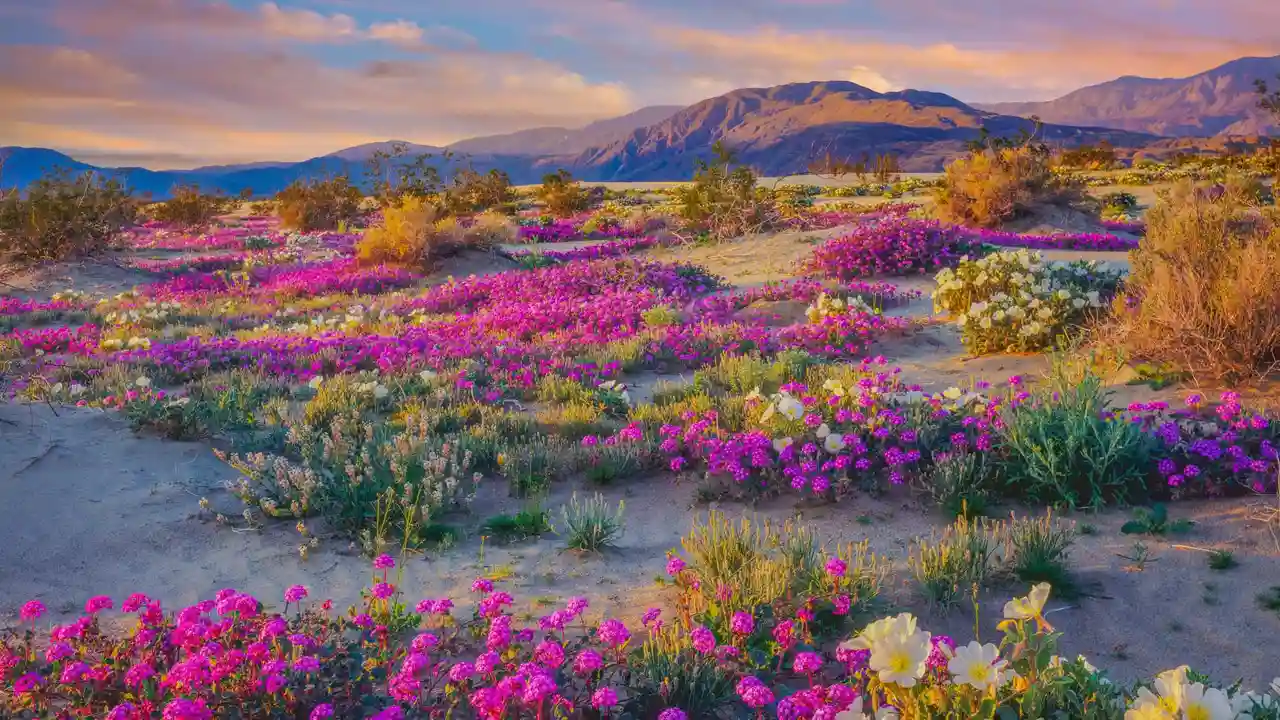
Unveiling The Majesty California s Diverse National Parks Landscape
California boasts a stunning array of National Parks, each with its unique character and allure. These protected areas showcase the state's remarkable biodiversity, geological wonders, and historical significance. Understanding the diversity of these parks is the first step in planning your unforgettable adventure.
Consider these examples:
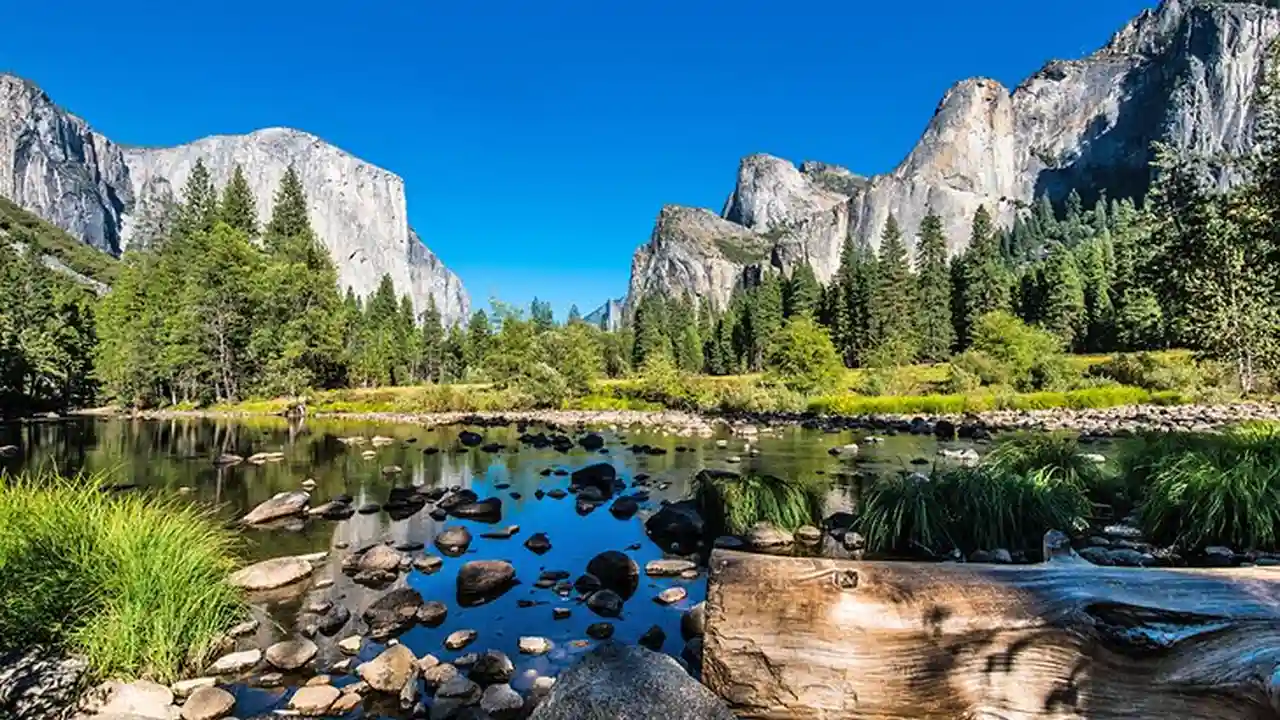
- Yosemite National Park: Famous for its granite cliffs, giant sequoia trees, and cascading waterfalls, Yosemite is a world-renowned destination for hiking, climbing, and sightseeing.
- Sequoia & Kings Canyon National Parks: Home to the world's largest trees, these parks offer breathtaking views of the Sierra Nevada mountains and opportunities for wilderness exploration.
- Death Valley National Park: A land of extremes, Death Valley is the hottest, driest, and lowest National Park, featuring colorful canyons, sand dunes, and unique desert wildlife.
- Joshua Tree National Park: Characterized by its namesake Joshua trees and dramatic rock formations, this park is a haven for rock climbers, hikers, and stargazers.
- Redwood National and State Parks: Protecting nearly half of the world's remaining old-growth redwood forests, these parks offer awe-inspiring hikes among the tallest trees on Earth.
- Lassen Volcanic National Park: Featuring steaming fumaroles, boiling mud pots, and pristine lakes, Lassen Volcanic National Park showcases a diverse range of volcanic landscapes.
- Channel Islands National Park: Known as the "Galapagos of North America," these islands offer unique opportunities for wildlife viewing, kayaking, and exploring secluded beaches.
Strategic Planning National Park Reservations And Permits Demystified
Securing reservations and permits is crucial for a smooth and enjoyable National Park experience, especially during peak season. Popular parks and campgrounds often require advance reservations, and some activities, such as backpacking and certain day hikes, may require permits.
Reservations:
- Campgrounds: Reserve campsites well in advance through Recreation.gov. Popular campgrounds, especially in Yosemite, Sequoia, and Kings Canyon, can book up months in advance.
- Lodging: Book lodging inside the parks or in nearby gateway communities as early as possible. Options range from rustic cabins to luxury hotels.
- Tours and Activities: Reserve guided tours, ranger programs, and other activities in advance, especially during peak season.
Permits:
- Backpacking Permits: Required for overnight backpacking trips in most National Parks. Apply for permits through the park's website or Recreation.gov.
- Wilderness Permits: Required for certain day hikes and activities in designated wilderness areas. Check with the park for specific permit requirements.
- Fire Permits: Required for campfires and stoves in some areas. Obtain fire permits from the park's visitor center or website.
Tips for Securing Reservations and Permits:
- Plan Ahead: Start planning your trip several months in advance, especially if you are traveling during peak season.
- Check Availability: Regularly check Recreation.gov for reservation availability. Cancellations sometimes occur, opening up opportunities for last-minute bookings.
- Be Flexible: Consider alternative dates or campgrounds if your first choice is unavailable.
- Apply Early: Apply for permits as soon as the application window opens.
- Read the Fine Print: Carefully review the park's regulations and permit requirements before applying.
Essential Gear Checklist Equipping Yourself For National Park Adventures
Having the right gear is essential for a safe and comfortable National Park experience. The specific gear you need will depend on the type of activities you plan to do, the time of year, and the weather conditions. Here's a comprehensive checklist:
Hiking Gear:
- Hiking Boots: Sturdy, waterproof hiking boots with good ankle support are essential for navigating uneven terrain. Consider the Salomon X Ultra 4 GTX (around $150) for its excellent grip and waterproof protection. Alternatively, the Merrell Moab 2 Vent (around $110) offers great breathability for warmer climates.
- Backpack: Choose a backpack that is appropriate for the length of your hike. A daypack (20-30 liters) is sufficient for shorter hikes, while a larger backpack (40-60 liters) is needed for overnight trips. The Osprey Talon 22 (around $130) is a popular choice for day hikes, while the Gregory Baltoro 65 (around $300) is a comfortable and durable option for backpacking.
- Hiking Poles: Hiking poles can provide added stability and reduce strain on your knees, especially on steep trails. The Black Diamond Trail Ergo Cork trekking poles (around $140) are known for their comfortable grip and adjustable height.
- Water Bottles or Hydration Reservoir: Staying hydrated is crucial, especially in hot and dry climates. Carry plenty of water in water bottles or a hydration reservoir. The Nalgene Tritan 32oz water bottle (around $12) is a durable and reliable option, while the CamelBak Crux 3L reservoir (around $40) allows for hands-free hydration.
- Headlamp or Flashlight: Essential for hiking in low light conditions or for emergencies. The Black Diamond Spot 350 headlamp (around $40) is lightweight and bright, while the Fenix PD36R flashlight (around $90) offers a longer battery life and higher lumen output.
- Navigation Tools: Carry a map and compass and know how to use them. A GPS device or smartphone with a GPS app can also be helpful, but don't rely solely on electronic devices. Consider the Gaia GPS app (subscription required) for detailed topographic maps and trail information.
- First-Aid Kit: Pack a comprehensive first-aid kit with essentials such as bandages, antiseptic wipes, pain relievers, and blister treatment. A pre-assembled first-aid kit like the Adventure Medical Kits Ultralight/Watertight .7 (around $25) is a convenient option.
- Sun Protection: Protect yourself from the sun with sunscreen, a hat, and sunglasses. Sunscreen with an SPF of 30 or higher is recommended.
- Insect Repellent: Protect yourself from mosquitoes, ticks, and other insects with insect repellent.
Camping Gear (if applicable):
- Tent: Choose a tent that is appropriate for the number of people in your group and the weather conditions. The REI Co-op Half Dome 2 Plus tent (around $230) is a popular choice for its spaciousness and durability.
- Sleeping Bag: Choose a sleeping bag that is rated for the temperatures you expect to encounter. The Kelty Cosmic 20 sleeping bag (around $130) is a versatile option for three-season camping.
- Sleeping Pad: A sleeping pad provides insulation and cushioning for a comfortable night's sleep. The Therm-a-Rest NeoAir XLite sleeping pad (around $180) is lightweight and packable.
- Camp Stove: A camp stove allows you to cook meals while camping. The MSR PocketRocket 2 stove (around $50) is lightweight and efficient.
- Cookware and Utensils: Pack cookware and utensils for preparing meals. A lightweight cook set like the GSI Outdoors Pinnacle Dualist II (around $50) is a convenient option.
- Camp Chairs: Camp chairs provide a comfortable place to sit around the campfire. The Helinox Chair One camp chair (around $120) is lightweight and packable.
Clothing:
- Moisture-Wicking Base Layers: Wear moisture-wicking base layers to keep you dry and comfortable. Merino wool base layers like those from Icebreaker (around $80 per piece) are a great choice for their warmth and odor resistance.
- Insulating Layers: Pack insulating layers such as fleece jackets or down vests to keep you warm in cold weather. The Patagonia Nano Puff jacket (around $200) is a lightweight and packable option.
- Waterproof and Windproof Outerwear: Pack waterproof and windproof outerwear to protect you from the elements. The Arc'teryx Beta AR jacket (around $600) is a high-performance option for serious outdoor adventures. A more affordable option is the Marmot PreCip jacket (around $120).
- Hiking Pants or Shorts: Choose hiking pants or shorts that are comfortable and durable. The prAna Stretch Zion pants (around $90) are a popular choice for their versatility and comfort.
- Socks: Wear moisture-wicking socks to prevent blisters. Merino wool socks like those from Darn Tough (around $25 per pair) are a great choice for their comfort and durability.
- Hat and Gloves: Pack a hat and gloves to keep you warm in cold weather.
Yosemite National Park A Detailed Exploration Of Iconic Landmarks
Yosemite National Park, a crown jewel of the National Park System, is renowned for its stunning granite cliffs, giant sequoia trees, and cascading waterfalls. Planning a visit to Yosemite requires careful consideration of the park's diverse offerings and the logistics involved in navigating its vast landscape.
Iconic Landmarks:
- Yosemite Valley: The heart of Yosemite National Park, Yosemite Valley is home to many of the park's most famous landmarks, including El Capitan, Half Dome, and Yosemite Falls.
- El Capitan: A massive granite monolith that is a world-renowned destination for rock climbers.
- Half Dome: An iconic granite dome that offers stunning views of Yosemite Valley. Hiking to the top of Half Dome requires a permit.
- Yosemite Falls: One of the tallest waterfalls in North America, Yosemite Falls plunges 2,425 feet.
- Mariposa Grove of Giant Sequoias: Home to over 500 mature giant sequoia trees, including the Grizzly Giant, one of the largest trees in the park.
- Glacier Point: Offers panoramic views of Yosemite Valley, Half Dome, and the High Sierra.
Activities:
- Hiking: Yosemite offers a wide range of hiking trails, from easy strolls to challenging climbs. Popular hikes include the Mist Trail to Vernal Fall and Nevada Fall, the Yosemite Falls Trail, and the Four Mile Trail to Glacier Point.
- Rock Climbing: Yosemite is a world-renowned destination for rock climbing, with routes for climbers of all skill levels.
- Camping: Yosemite offers a variety of campgrounds, ranging from developed campgrounds with amenities to primitive campgrounds in the backcountry.
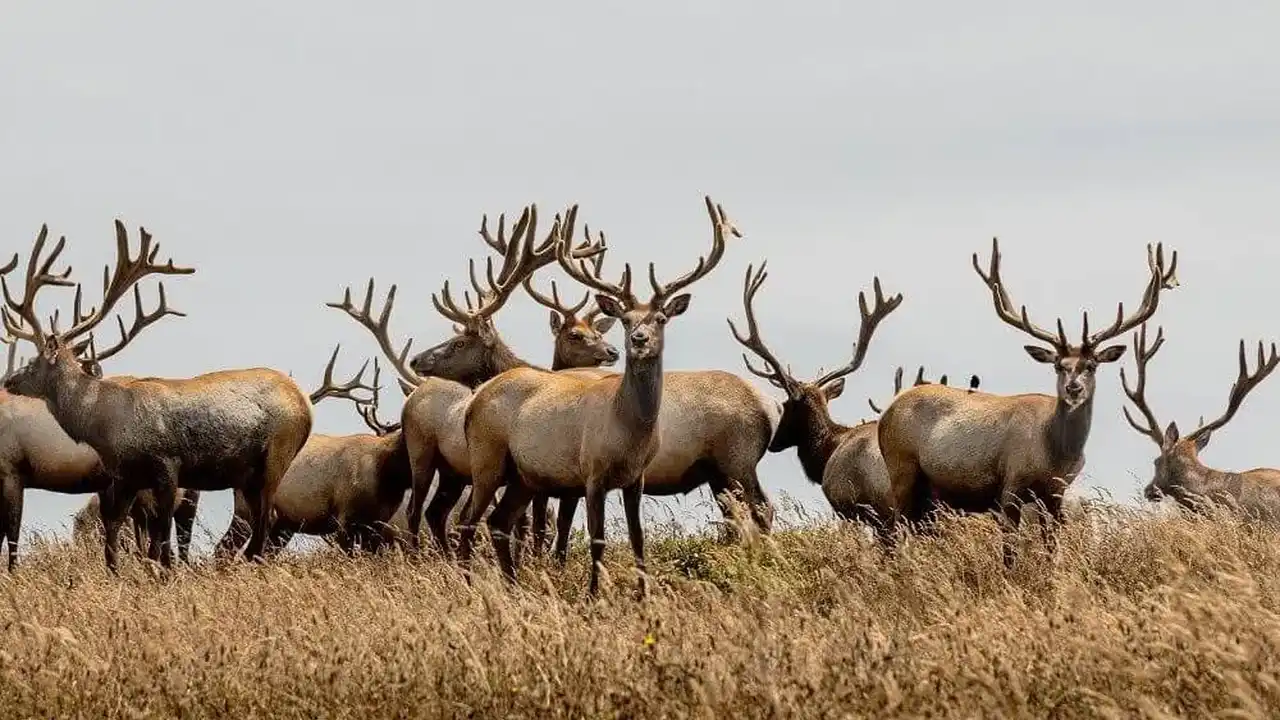
- Wildlife Viewing: Yosemite is home to a diverse range of wildlife, including black bears, deer, coyotes, and birds.
- Ranger Programs: Participate in ranger programs to learn more about Yosemite's history, geology, and wildlife.
Planning Your Visit:
- Reservations: Reservations are required for many campgrounds and lodging options in Yosemite, especially during peak season.
- Permits: Permits are required for backpacking and some day hikes in Yosemite.
- Transportation: Yosemite offers a free shuttle system that operates throughout Yosemite Valley. Consider using the shuttle system to avoid traffic congestion.
- Weather: Yosemite's weather can be unpredictable. Be prepared for a range of conditions, including hot days, cold nights, and afternoon thunderstorms.
Sequoia And Kings Canyon National Parks Giants And Wilderness Exploration
Sequoia and Kings Canyon National Parks, often referred to as the "Land of Giants," are home to the world's largest trees and offer breathtaking views of the Sierra Nevada mountains. These parks provide opportunities for wilderness exploration, hiking, and camping.
Giant Sequoias:
- General Sherman Tree: The largest tree in the world by volume, the General Sherman Tree is a must-see attraction in Sequoia National Park.
- Grant Grove: Home to the General Grant Tree, the second-largest tree in the world, and other giant sequoias.
- Giant Forest: The largest grove of giant sequoias in the world.
Wilderness Exploration:
- Kings Canyon: One of the deepest canyons in North America, Kings Canyon offers stunning views and challenging hiking trails.
- Backcountry Camping: Sequoia and Kings Canyon offer vast opportunities for backcountry camping and wilderness exploration.
- Hiking: The parks offer a wide range of hiking trails, from easy strolls to challenging climbs. Popular hikes include the trail to Moro Rock, the Congress Trail, and the Rae Lakes Loop.
Activities:
- Camping: Sequoia and Kings Canyon offer a variety of campgrounds, ranging from developed campgrounds with amenities to primitive campgrounds in the backcountry.
- Wildlife Viewing: The parks are home to a diverse range of wildlife, including black bears, deer, coyotes, and marmots.
- Ranger Programs: Participate in ranger programs to learn more about the parks' history, geology, and wildlife.
Planning Your Visit:
- Reservations: Reservations are required for many campgrounds and lodging options in Sequoia and Kings Canyon, especially during peak season.
- Permits: Permits are required for backpacking and some day hikes in Sequoia and Kings Canyon.
- Weather: The parks' weather can be unpredictable. Be prepared for a range of conditions, including hot days, cold nights, and afternoon thunderstorms.
Death Valley National Park Embracing Extremes And Desert Wonders
Death Valley National Park, a land of extremes, is the hottest, driest, and lowest National Park in North America. Despite its harsh environment, Death Valley offers stunning landscapes, unique desert wildlife, and opportunities for adventure.
Extreme Landscapes:
- Badwater Basin: The lowest point in North America, Badwater Basin is a vast salt flat that lies 282 feet below sea level.
- Zabriskie Point: Offers stunning views of the colorful canyons and badlands of Death Valley.
- Mesquite Flat Sand Dunes: The largest sand dunes in Death Valley, offering opportunities for hiking and sandboarding.
- Dante's View: Offers panoramic views of Death Valley, including Badwater Basin and Telescope Peak.
Unique Desert Wildlife:
- Desert Pupfish: A small fish that is adapted to survive in the harsh conditions of Death Valley's springs and streams.
- Coyotes: Common predators in Death Valley, often seen hunting in the early morning and late evening.
- Roadrunners: Fast-running birds that are adapted to survive in the desert environment.
Activities:
- Hiking: Death Valley offers a variety of hiking trails, from easy strolls to challenging climbs. Popular hikes include the Golden Canyon Trail, the Mosaic Canyon Trail, and the Telescope Peak Trail.
- Camping: Death Valley offers a variety of campgrounds, ranging from developed campgrounds with amenities to primitive campgrounds in the backcountry.
- Stargazing: Death Valley is one of the best places in the United States for stargazing, due to its dark skies and remote location.
Planning Your Visit:
- Weather: Death Valley is extremely hot during the summer months. Avoid visiting during this time unless you are prepared for extreme heat.
- Water: Carry plenty of water when visiting Death Valley. It is recommended to drink at least one gallon of water per day.
- Vehicle: Make sure your vehicle is in good condition before visiting Death Valley. Check your tires, fluids, and brakes.
- Reservations: Reservations are recommended for campgrounds and lodging options in Death Valley, especially during peak season.
Joshua Tree National Park Bouldering Stargazing And Desert Serenity
Joshua Tree National Park, characterized by its namesake Joshua trees and dramatic rock formations, is a haven for rock climbers, hikers, and stargazers. This park offers a unique blend of desert landscapes and recreational opportunities.
Unique Landscapes:
- Joshua Trees: The park's namesake trees, Joshua trees are unique and iconic desert plants.
- Rock Formations: Joshua Tree is known for its dramatic rock formations, which offer opportunities for rock climbing and bouldering.
- Hidden Valley: A popular area for rock climbing and bouldering, Hidden Valley is surrounded by towering rock formations.
- Skull Rock: A unique rock formation that resembles a skull.
Activities:
- Rock Climbing and Bouldering: Joshua Tree is a world-renowned destination for rock climbing and bouldering, with routes for climbers of all skill levels.
- Hiking: Joshua Tree offers a variety of hiking trails, from easy strolls to challenging climbs. Popular hikes include the Hidden Valley Nature Trail, the Barker Dam Nature Trail, and the Ryan Mountain Trail.
- Camping: Joshua Tree offers a variety of campgrounds, ranging from developed campgrounds with amenities to primitive campgrounds in the backcountry.
- Stargazing: Joshua Tree is one of the best places in the United States for stargazing, due to its dark skies and remote location.
Planning Your Visit:
- Weather: Joshua Tree can be hot during the summer months and cold during the winter months. Be prepared for a range of conditions.
- Water: Carry plenty of water when visiting Joshua Tree.
- Reservations: Reservations are recommended for campgrounds, especially during peak season.
Redwood National And State Parks Immersing Yourself In Ancient Forests
Redwood National and State Parks, protecting nearly half of the world's remaining old-growth redwood forests, offer awe-inspiring hikes among the tallest trees on Earth. These parks provide a unique opportunity to experience the majesty of these ancient forests.
Giant Redwoods:
- Tall Trees Grove: Home to some of the tallest trees in the world, including the Hyperion Tree.
- Lady Bird Johnson Grove: A beautiful grove of redwood trees that is easily accessible.
- Prairie Creek Redwoods State Park: Home to the Fern Canyon, a stunning canyon lined with ferns.
Activities:
- Hiking: Redwood National and State Parks offer a variety of hiking trails, from easy strolls to challenging climbs. Popular hikes include the Redwood Creek Trail, the Trillium Falls Trail, and the Fern Canyon Trail.
- Camping: The parks offer a variety of campgrounds, ranging from developed campgrounds with amenities to primitive campgrounds in the backcountry.
- Scenic Drives: The parks offer several scenic drives, including the Newton B Drury Scenic Parkway and the Avenue of the Giants.
Planning Your Visit:
- Weather: The weather in Redwood National and State Parks can be cool and damp. Be prepared for rain.
- Reservations: Reservations are recommended for campgrounds, especially during peak season.
Lassen Volcanic National Park Volcanic Wonders And Hydrothermal Activity
Lassen Volcanic National Park, featuring steaming fumaroles, boiling mud pots, and pristine lakes, showcases a diverse range of volcanic landscapes. This park offers a unique opportunity to explore the remnants of volcanic activity.
Volcanic Features:
- Bumpass Hell: The largest hydrothermal area in Lassen Volcanic National Park, featuring boiling mud pots, steaming fumaroles, and colorful mineral deposits.
- Sulphur Works: A hydrothermal area located near the park entrance, featuring steaming fumaroles and bubbling mud pots.
- Lassen Peak: A dormant volcano that last erupted in 1914-1917.
Activities:
- Hiking: Lassen Volcanic National Park offers a variety of hiking trails, from easy strolls to challenging climbs. Popular hikes include the Bumpass Hell Trail, the Sulphur Works Trail, and the Lassen Peak Trail.
- Camping: The park offers a variety of campgrounds, ranging from developed campgrounds with amenities to primitive campgrounds in the backcountry.
- Fishing: Lassen Volcanic National Park offers opportunities for fishing in its lakes and streams.
Planning Your Visit:
- Weather: The weather in Lassen Volcanic National Park can be unpredictable. Be prepared for a range of conditions, including snow.
- Reservations: Reservations are recommended for campgrounds, especially during peak season.
Channel Islands National Park Island Hopping And Marine Life Encounters
Channel Islands National Park, known as the "Galapagos of North America," offers unique opportunities for wildlife viewing, kayaking, and exploring secluded beaches. These islands are home to a diverse range of plant and animal life, some of which are found nowhere else on Earth.
Island Exploration:
- Santa Cruz Island: The largest of the Channel Islands, Santa Cruz Island offers a variety of hiking trails, beaches, and sea caves.
- Anacapa Island: Known for its sea caves and seabird colonies.
- Santa Barbara Island: The smallest of the Channel Islands, Santa Barbara Island is home to unique plant and animal life.
Activities:
- Wildlife Viewing: The Channel Islands are home to a diverse range of wildlife, including seals, sea lions, dolphins, whales, and seabirds.
- Kayaking: Kayaking is a popular activity in the Channel Islands, offering opportunities to explore sea caves and secluded beaches.
- Hiking: The islands offer a variety of hiking trails, from easy strolls to challenging climbs.
- Camping: Camping is available on some of the islands.
Planning Your Visit:
- Transportation: The only way to access the Channel Islands is by boat. Island Packers Cruises offers transportation to the islands.
- Reservations: Reservations are required for boat transportation and camping.
Responsible Travel Practices Protecting California s National Treasures
Visiting California's National Parks is a privilege, and it's our responsibility to protect these natural treasures for future generations. Practicing responsible travel habits is crucial for minimizing our impact on the environment and preserving the beauty of these parks.
Leave No Trace Principles:
- Plan Ahead and Prepare: Research your destination, pack appropriately, and be aware of potential hazards.
- Travel and Camp on Durable Surfaces: Stick to established trails and campsites to avoid damaging vegetation.
- Dispose of Waste Properly: Pack out everything you pack in, including trash, food scraps, and human waste.
- Leave What You Find: Avoid collecting rocks, plants, or other natural objects.
- Minimize Campfire Impacts: Use existing fire rings or stoves, and keep campfires small and contained.
- Respect Wildlife: Observe wildlife from a distance and avoid feeding them.
- Be Considerate of Other Visitors: Minimize noise and respect the privacy of other visitors.
Specific Recommendations:
- Use Reusable Water Bottles and Containers: Reduce plastic waste by bringing your own reusable water bottles and containers.
- Support Local Businesses: Patronize local businesses in gateway communities to support the local economy.
- Volunteer Your Time: Consider volunteering your time to help with park maintenance and conservation efforts.
- Educate Others: Share your knowledge and experiences with others to promote responsible travel practices.
Product Recommendations Enhancing Your National Park Experience
Investing in quality gear and equipment can significantly enhance your National Park experience. Here are some specific product recommendations:
Binoculars: For wildlife viewing, the Vortex Diamondback HD 8x42 binoculars (around $230) offer excellent clarity and brightness. For a more budget-friendly option, consider the Nikon ProStaff 3S 8x42 binoculars (around $130).
Camera: To capture stunning photos of the landscapes, the Sony Alpha 6000 mirrorless camera (around $600 with kit lens) is a great option for beginners and intermediate photographers. For more advanced photographers, the Sony Alpha 7 III (around $2000 body only) offers exceptional image quality and performance.
Portable Power Bank: To keep your electronic devices charged, the Anker PowerCore 20100 power bank (around $50) offers ample power and fast charging speeds. Alternatively, the Goal Zero Venture 35 power bank (around $70) is rugged and waterproof, making it ideal for outdoor adventures.
Water Filter: For backcountry trips, the Sawyer Squeeze water filter (around $30) is a lightweight and reliable option for purifying water from streams and lakes. Alternatively, the Katadyn BeFree 1.0L water filter bottle (around $45) offers a convenient and easy-to-use solution for filtering water on the go.
Bear Canister: In areas with bears, a bear canister is required to protect your food and prevent bears from accessing it. The BearVault BV500 bear canister (around $80) is a popular and effective option.
Conclusion A Call To Explore And Conserve
California's National Parks offer an unparalleled opportunity to connect with nature, explore stunning landscapes, and create lasting memories. By planning your visit carefully, equipping yourself with the right gear, and practicing responsible travel habits, you can ensure a safe, enjoyable, and sustainable experience. So pack your bags, lace up your boots, and embark on an unforgettable adventure in California's National Parks!
:max_bytes(150000):strip_icc()/277019-baked-pork-chops-with-cream-of-mushroom-soup-DDMFS-beauty-4x3-BG-7505-5762b731cf30447d9cbbbbbf387beafa.jpg)