Off Roading_ Exploring California's Desert Trails
Unveiling the Allure of California Deserts A Journey into Arid Beauty
California's deserts, a land of stark contrasts and breathtaking beauty, beckon adventurers with promises of solitude, stunning landscapes, and unforgettable experiences. From the iconic Joshua Tree National Park to the vast expanse of Death Valley, these arid landscapes offer a diverse range of activities and sights that will captivate your senses. But where do you begin? What secrets do these seemingly barren lands hold? Let's embark on a journey to uncover the allure of California's deserts and discover the wonders that await.
Planning Your Desert Escape Essential Tips for a Safe and Enjoyable Trip
Before venturing into the heart of California's deserts, careful planning is crucial. These environments can be unforgiving, and unpreparedness can lead to serious consequences. Here are some essential tips to ensure a safe and enjoyable trip:
- Hydration is Key: Carry plenty of water, even on seemingly short excursions. The desert sun can quickly dehydrate you. Electrolyte drinks are also helpful to replenish lost minerals.
- Sun Protection is Non-Negotiable: Wear sunscreen with a high SPF, a wide-brimmed hat, and sunglasses to shield yourself from the intense sun.
- Dress Appropriately: Lightweight, breathable clothing is ideal. Long sleeves and pants can provide extra protection from the sun and thorny vegetation.
- Navigation is Essential: Cell service can be unreliable in many desert areas. Carry a map, compass, and GPS device, and know how to use them. Download offline maps before you go.
- Vehicle Preparedness: Ensure your vehicle is in good working condition, with a full tank of gas and appropriate tires for the terrain. Carry a spare tire, jack, and tools.
- Inform Someone of Your Plans: Let someone know your itinerary and expected return time.
- Be Aware of Wildlife: The desert is home to a variety of animals, including snakes, scorpions, and spiders. Be cautious and avoid approaching or disturbing wildlife.
- Respect the Environment: Pack out everything you pack in, and stay on designated trails. Leave no trace of your visit.
Off-Roading Adventures Conquering California's Desert Trails
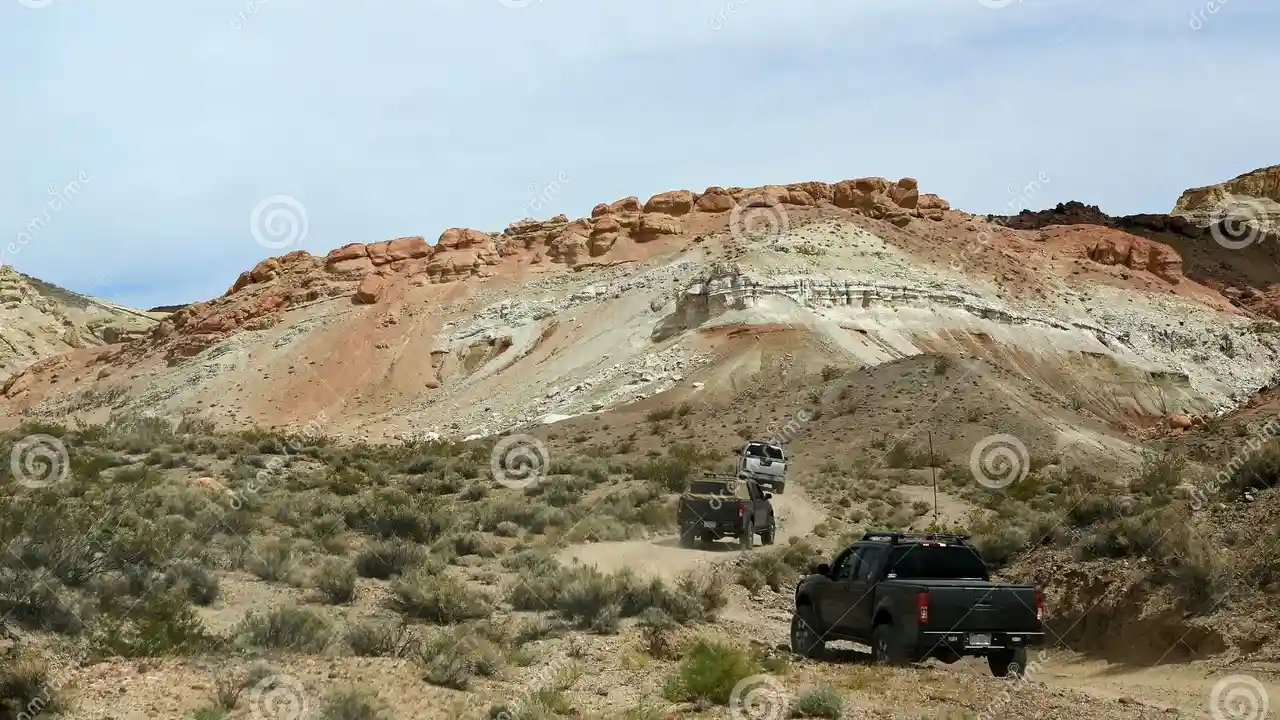
For thrill-seekers, off-roading is a popular way to explore the vastness of California's deserts. From challenging rock crawls to scenic desert washes, there's a trail for every skill level. However, responsible off-roading is paramount to protect the fragile desert environment.
Choosing the Right Vehicle for Desert Off-Roading
Selecting the appropriate vehicle is crucial for a safe and enjoyable off-roading experience. Consider the following factors:
- Four-Wheel Drive: Essential for navigating challenging terrain.
- High Ground Clearance: Prevents damage from rocks and obstacles.
- Durable Tires: All-terrain or mud-terrain tires provide better traction.
- Skid Plates: Protect vulnerable components like the engine and transmission.
- Recovery Gear: A winch, tow straps, and shovel are essential for getting unstuck.
Recommended Off-Roading Vehicles
- Jeep Wrangler: A classic choice for off-roading, known for its ruggedness and capability.
- Toyota 4Runner: A reliable and versatile SUV with excellent off-road performance.
- Ford Bronco: A modern off-roader with advanced features and impressive capabilities.
- Polaris RZR: A side-by-side UTV that's perfect for exploring narrow trails and challenging terrain.
Essential Off-Roading Gear and Accessories
- ARB Air Compressor: Allows you to adjust tire pressure for optimal traction on different surfaces. Check pricing and details here. Use Case: Deflating tires for better grip in sand. Comparison: ARB vs. Smittybilt compressors – ARB is generally considered more reliable and durable. Pricing: $300-$500.
- WARN Winch: A powerful winch can help you get unstuck from even the most challenging situations. Check pricing and details here. Use Case: Pulling your vehicle out of deep sand or mud. Comparison: WARN vs. Smittybilt winches – WARN is known for its higher quality and reliability. Pricing: $500-$2000.
- Factor 55 Recovery Gear: High-quality shackles, tow straps, and other recovery gear are essential for safe and effective vehicle recovery. Check pricing and details here. Use Case: Connecting a winch to a recovery point on another vehicle. Comparison: Factor 55 vs. generic brands – Factor 55 offers superior strength and durability. Pricing: $50-$200 per item.
- Garmin Overlander GPS: A rugged GPS device specifically designed for off-roading, with preloaded maps and trail information. Check pricing and details here. Use Case: Navigating complex trail systems without cell service. Comparison: Garmin Overlander vs. phone-based GPS apps – Garmin is more reliable in remote areas. Pricing: $600-$800.
- BFGoodrich All-Terrain T/A KO2 Tires: Durable and versatile tires that provide excellent traction on a variety of surfaces. Check pricing and details here. Use Case: Providing reliable grip on rocks, sand, and mud. Comparison: BFGoodrich vs. Goodyear Duratrac – BFGoodrich is generally considered more durable. Pricing: $200-$400 per tire.
Responsible Off-Roading Practices Protecting the Desert Environment
- Stay on Designated Trails: Avoid creating new trails, which can damage vegetation and disturb wildlife.
- Tread Lightly: Drive slowly and carefully to minimize your impact on the environment.
- Pack Out Your Trash: Leave no trace of your visit.
- Respect Wildlife: Observe animals from a distance and avoid feeding them.
- Be Considerate of Other Users: Share the trails and be mindful of other off-roaders, hikers, and campers.
Stargazing in the Desert Witnessing the Celestial Spectacle
Far from the light pollution of cities, California's deserts offer unparalleled stargazing opportunities. The dark skies reveal a breathtaking tapestry of stars, planets, and constellations.
Best Locations for Stargazing in California Deserts
- Death Valley National Park: Designated as an International Dark Sky Park, Death Valley boasts some of the darkest skies in the United States.
- Joshua Tree National Park: Another excellent stargazing location, with clear skies and minimal light pollution.
- Anza-Borrego Desert State Park: California's largest state park, offering vast open spaces and dark skies.
Essential Stargazing Equipment
- Binoculars: A good pair of binoculars can enhance your viewing experience.
- Telescope: A telescope will allow you to see even more detail in the night sky.
- Red Flashlight: Red light preserves your night vision.
- Star Chart or App: Helps you identify stars and constellations.
- Warm Clothing: The desert can get cold at night.
Tips for Successful Stargazing
- Find a Dark Location: Get away from any sources of light pollution.
- Allow Your Eyes to Adjust: It takes about 20-30 minutes for your eyes to fully adjust to the darkness.
- Check the Moon Phase: A full moon can wash out the stars. The best time to stargaze is during a new moon.
- Be Patient: Stargazing takes time and patience. Relax and enjoy the beauty of the night sky.
Hiking and Backpacking Discovering Hidden Oases and Scenic Vistas
California's deserts offer a variety of hiking and backpacking opportunities, from short day hikes to multi-day treks. Explore hidden oases, climb to scenic vistas, and discover the unique flora and fauna of the desert.
Popular Hiking Trails in California Deserts
- Lost Palms Oasis Trail (Joshua Tree National Park): A moderate 7.5-mile hike to a lush oasis.
- Golden Canyon and Gower Gulch Loop (Death Valley National Park): An easy 4.3-mile hike through colorful canyons.
- Borrego Palm Canyon Trail (Anza-Borrego Desert State Park): A short 3-mile hike to a palm oasis.
Essential Hiking and Backpacking Gear
- Hiking Boots: Sturdy hiking boots with good ankle support are essential.
- Backpack: Choose a backpack that's appropriate for the length of your hike.
- Water Bottles or Hydration Reservoir: Carry plenty of water.
- Sun Protection: Sunscreen, hat, and sunglasses.
- First-Aid Kit: Be prepared for minor injuries.
- Map and Compass: Essential for navigation.
- Navigation App (Gaia GPS): A reliable app for offline navigation and trail finding. Check pricing and details here. Use Case: Offline navigation on marked and unmarked trails. Comparison: Gaia GPS vs. AllTrails – Gaia GPS offers more advanced features for serious hikers. Pricing: $20-$40 per year.
- Sawyer Squeeze Water Filter: A lightweight and effective water filter for treating water from natural sources. Check pricing and details here. Use Case: Filtering water from streams and springs in the backcountry. Comparison: Sawyer Squeeze vs. Lifestraw – Sawyer Squeeze is more versatile and can filter larger volumes of water. Pricing: $30-$40.
- Black Diamond Spot 350 Headlamp: A bright and reliable headlamp for hiking in the dark. Check pricing and details here. Use Case: Night hiking and camping. Comparison: Black Diamond Spot vs. Petzl Tikka – Both are excellent headlamps, but Black Diamond offers more brightness for the price. Pricing: $40-$50.
Tips for Safe Hiking and Backpacking
- Start Early: Avoid hiking during the hottest part of the day.
- Pace Yourself: Don't overexert yourself.
- Stay on the Trail: Avoid getting lost.
- Be Aware of Your Surroundings: Watch out for wildlife and hazards.
- Tell Someone Your Plans: Let someone know where you're going and when you expect to be back.
Flora and Fauna of the Desert Appreciating the Unique Ecosystem
Despite its harsh environment, the desert is home to a surprisingly diverse array of plant and animal life. Learn to appreciate the unique adaptations that allow these organisms to thrive in this challenging landscape.
Iconic Desert Plants
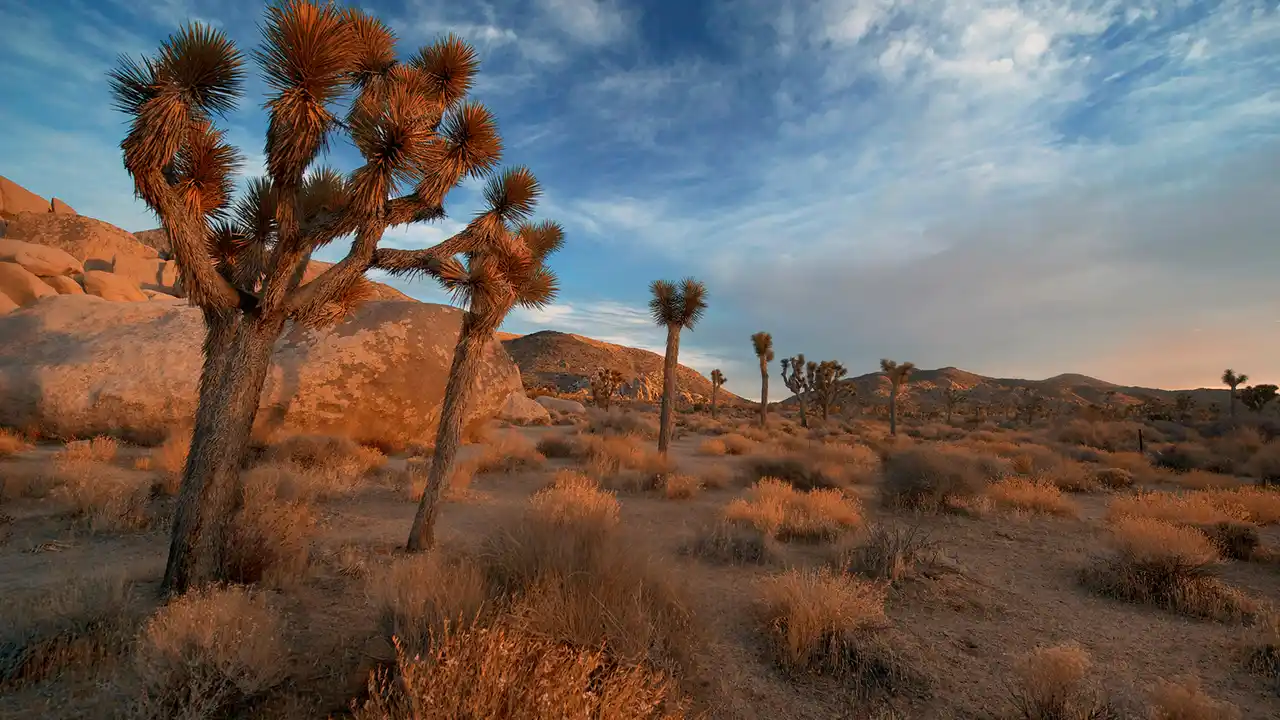
- Joshua Tree: A slow-growing yucca that's iconic to the Mojave Desert.
- Saguaro Cactus: A towering cactus that's found in the Sonoran Desert.
- Creosote Bush: A drought-tolerant shrub that's common throughout the desert.
- Desert Wildflowers: The desert comes alive with vibrant wildflowers after rainfall.
Fascinating Desert Animals
- Desert Tortoise: A threatened species that's adapted to survive in the arid environment.
- Coyote: A resourceful predator that can thrive in a variety of habitats.
- Roadrunner: A fast-running bird that's known for its ability to catch lizards and snakes.
- Scorpions: Nocturnal predators that hunt insects and other invertebrates.
Respecting Desert Wildlife
- Observe from a Distance: Avoid approaching or disturbing wildlife.
- Don't Feed the Animals: Feeding wildlife can disrupt their natural behaviors and make them dependent on humans.
- Be Aware of Venomous Animals: Be cautious of snakes, scorpions, and spiders.
- Leave No Trace: Pack out everything you pack in to protect the desert environment.
Photography in the Desert Capturing the Beauty of Arid Landscapes
The dramatic landscapes, vibrant colors, and unique light of the desert make it a photographer's paradise. Capture the beauty of the arid landscapes with your camera.
Best Times for Desert Photography
- Sunrise and Sunset: The golden hour provides warm, soft light that's perfect for landscape photography.
- Midday: The harsh midday sun can create dramatic shadows and contrast.
- Night: The dark skies are ideal for astrophotography.
Essential Photography Gear
- Camera: A DSLR or mirrorless camera with interchangeable lenses is ideal.
- Wide-Angle Lens: Captures the vastness of the desert landscape.
- Telephoto Lens: Allows you to zoom in on distant subjects.
- Tripod: Essential for sharp photos, especially in low light.
- Filters: Polarizing and ND filters can enhance your images.
Tips for Desert Photography
- Scout Locations: Research potential shooting locations in advance.
- Pay Attention to Light: The quality of light is crucial for desert photography.
- Use Leading Lines: Guide the viewer's eye through the scene.
- Experiment with Composition: Try different angles and perspectives.
- Protect Your Gear: The desert environment can be harsh on your equipment.
:max_bytes(150000):strip_icc()/277019-baked-pork-chops-with-cream-of-mushroom-soup-DDMFS-beauty-4x3-BG-7505-5762b731cf30447d9cbbbbbf387beafa.jpg)