Pacific Coast Highway_ Best Road Trip Stops
Planning Your Ultimate Pacific Coast Highway Adventure
So, you're dreaming of the Pacific Coast Highway? Good choice! It's more than just a road; it's an experience. Picture this: winding roads, breathtaking ocean views, charming coastal towns, and the salty air filling your lungs. But before you hit the gas, let's talk planning. This isn't the kind of trip you want to wing (unless you're into that sort of thing, in which case, go for it!). We're talking about crafting an unforgettable journey, and that starts with knowing what you want to see and do.
Best Time to Drive the Pacific Coast Highway
Timing is everything, especially on the PCH. Summer (June-August) offers the warmest weather and the clearest skies, but be prepared for crowds and higher prices. Spring (March-May) and Fall (September-November) are shoulder seasons – fewer people, pleasant temperatures, and often, better deals. Winter (December-February) can be unpredictable, with rain and potential road closures, but it also offers a unique, quieter experience. Consider what's most important to you – sunshine, solitude, or savings – and plan accordingly.
Choosing Your Vehicle for the Pacific Coast Highway
Your ride matters. A sporty convertible? Classic. A rugged SUV? Practical. A fuel-efficient hybrid? Eco-friendly. The best vehicle depends on your preferences and budget. Convertibles are great for soaking up the sun, but they lack storage space. SUVs offer more room and are better suited for rougher terrain (if you plan on venturing off the beaten path). Hybrids are economical and reduce your carbon footprint. Consider renting if you don't own the ideal vehicle. Rental companies offer a wide range of options, from basic sedans to luxury vehicles. Companies like Hertz, Avis, and Enterprise are reliable choices. Budget around $50-$150 per day, depending on the vehicle type.
Pacific Coast Highway Itinerary Options
The PCH stretches over 650 miles, so you can't see it all in a day (or even a weekend!). Here are a few itinerary options to get you started:
- The Quick Getaway (3-4 Days): Focus on a specific section, like the Monterey Peninsula or Big Sur.
- The Classic Road Trip (7-10 Days): Drive the entire PCH, from San Francisco to Los Angeles (or vice versa), with stops in major cities and scenic viewpoints.
- The Leisurely Exploration (2 Weeks+): Take your time, explore hidden gems, and immerse yourself in the local culture.
Must-See Stops Along the Pacific Coast Highway
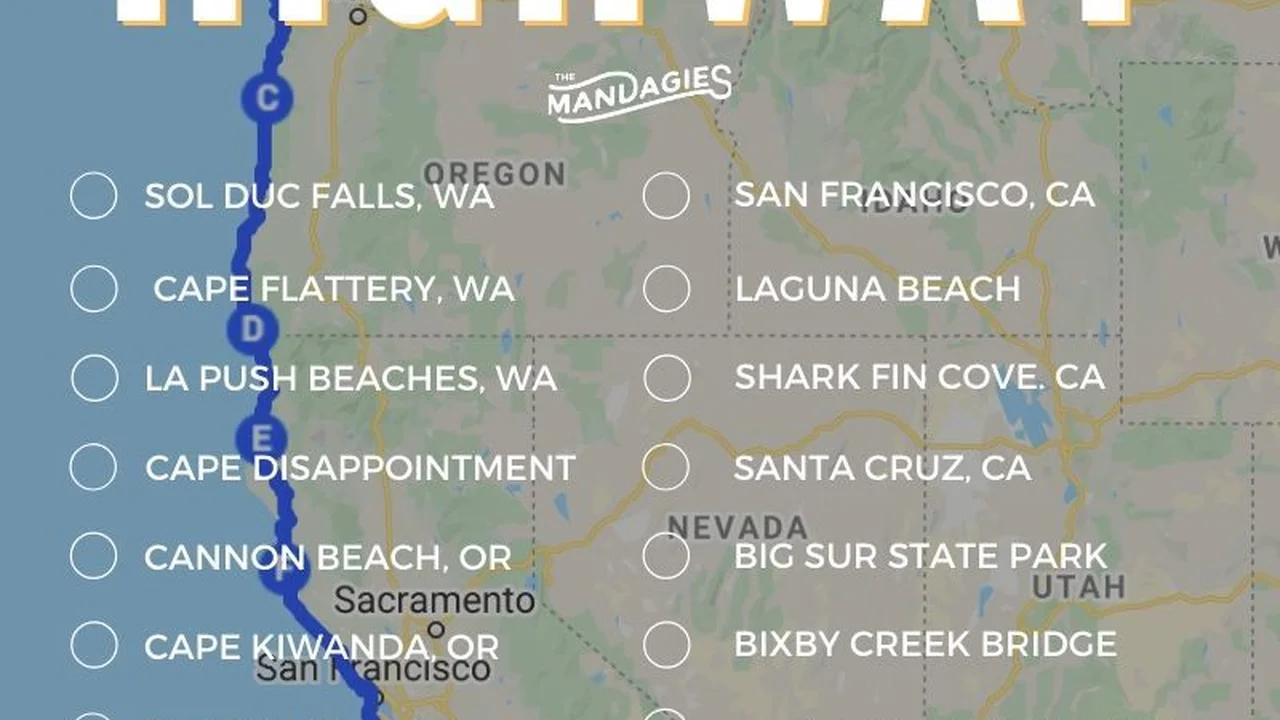
Alright, let's get to the good stuff – the places you absolutely can't miss along the PCH. This isn't an exhaustive list, but it's a solid starting point for planning your adventure.
San Francisco to Monterey: Iconic California Destinations
Starting in San Francisco, head south towards Monterey. This leg of the journey is packed with iconic landmarks and charming coastal towns.
Golden Gate Bridge Photo Opportunities
No trip to San Francisco is complete without a photo of the Golden Gate Bridge. Head to Vista Point for classic views, or explore Fort Point for a unique perspective.
Santa Cruz Beach Boardwalk: Rides and Relaxation
Santa Cruz is a classic California beach town, complete with a historic boardwalk, amusement park rides, and miles of sandy beaches. Grab some clam chowder and enjoy the vibrant atmosphere.
Monterey Bay Aquarium: Underwater Wonders
The Monterey Bay Aquarium is a world-renowned institution, showcasing the incredible marine life of the Pacific Ocean. Don't miss the sea otters and the mesmerizing jellyfish exhibit.
Monterey to Big Sur: Breathtaking Coastal Scenery
This is arguably the most scenic stretch of the PCH. Prepare to be amazed by the dramatic cliffs, redwood forests, and turquoise waters.
17-Mile Drive: Golf Courses and Cypress Trees
The 17-Mile Drive is a private road that winds through Pebble Beach and Pacific Grove. Pay the toll (around $11) and enjoy stunning views of the coastline, world-class golf courses, and the iconic Lone Cypress tree.
Bixby Bridge: An Engineering Marvel
The Bixby Bridge is one of the most photographed bridges in California. Stop at the viewpoint for a panoramic view of this architectural masterpiece.
Pfeiffer Big Sur State Park: Redwood Forests and Hiking Trails
Escape the crowds and immerse yourself in the redwood forests of Pfeiffer Big Sur State Park. Hike to waterfalls, explore hidden canyons, and enjoy the tranquility of nature.
Big Sur to San Simeon: Wildlife and History
This section of the PCH offers a mix of wildlife encounters and historical landmarks.
McWay Falls: A Waterfall on the Beach
McWay Falls is a stunning waterfall that cascades directly onto the beach. The short trail to the viewpoint is well worth the effort.
Elephant Seal Vista Point: Observing Marine Mammals
Stop at the Elephant Seal Vista Point near San Simeon to observe these massive marine mammals in their natural habitat. They're particularly active during breeding season (December-March).
Hearst Castle: A Gilded Age Mansion
Hearst Castle is a lavish mansion built by newspaper magnate William Randolph Hearst. Take a tour and step back in time to the roaring twenties.
San Simeon to Los Angeles: Coastal Towns and Urban Adventures
The final leg of the journey takes you through charming coastal towns and bustling urban centers.
Morro Bay: A Picturesque Fishing Village
Morro Bay is a picturesque fishing village with a towering rock formation known as Morro Rock. Enjoy fresh seafood and explore the harbor.
Santa Barbara: Spanish Colonial Architecture
Santa Barbara is known for its Spanish colonial architecture, beautiful beaches, and upscale shopping. Stroll along State Street, visit the Santa Barbara Mission, and relax on the beach.
Malibu: Celebrity Homes and Surfing Beaches
Malibu is home to many celebrities and boasts some of the best surfing beaches in California. Take a drive along the Pacific Coast Highway and spot some famous homes.
Gear and Gadgets for Your Pacific Coast Highway Road Trip
Having the right gear can make all the difference on a long road trip. Here are a few recommendations to enhance your experience:
Navigation Systems: GPS vs Smartphone Apps
Staying on track is crucial, especially in areas with limited cell service. Consider investing in a dedicated GPS device or using a reliable smartphone app like Google Maps or Waze. GPS devices like Garmin DriveSmart 65 offer offline maps and advanced features. Smartphone apps are convenient but rely on a stable internet connection. A good option is the Garmin DriveSmart 65, priced around $200, offering lifetime map updates and voice control. For smartphone users, a reliable car mount like the iOttie Easy One Touch 5 ($25) is essential.
Dash Cams: Recording Your Journey
A dash cam can provide valuable evidence in case of an accident and capture memorable moments along the way. The BlackVue DR900X-2CH is a top-of-the-line option with 4K recording capabilities. Cheaper alternatives include the Vantrue N4 Pro 3 Channel Dash Cam ($250) which records front, inside, and rear views. Prices range from $50 to $400, depending on features and quality.
Portable Power Banks: Staying Charged on the Go
Keep your devices charged with a portable power bank. The Anker PowerCore 26800 is a reliable option with a high capacity. Smaller, more budget-friendly options include the Miady 2-Pack 10000mAh Dual USB Portable Charger ($20). These devices range from $20 to $100.
Car Phone Mounts: Safe and Convenient Phone Access
Having a secure car phone mount is essential for safe and convenient phone access. The iOttie Easy One Touch 5 is a popular choice with a strong suction cup and adjustable arm. Magnetic mounts like the WizGear Universal Magnetic Car Mount ($10) are also convenient but may not be compatible with all phones. Prices range from $10 to $30.
Coolers and Portable Refrigerators: Keeping Food and Drinks Cold
Keep your food and drinks cold with a cooler or portable refrigerator. The Yeti Tundra 45 is a high-quality cooler that can keep ice for days. For a more convenient option, consider a portable refrigerator like the Alpicool C20 Portable Refrigerator ($200), which plugs into your car's cigarette lighter. Coolers range from $30 to $300, while portable refrigerators range from $150 to $500.
Accommodation Options Along the Pacific Coast Highway
Finding the right accommodation is crucial for a comfortable road trip. Here are a few options to consider:
Luxury Hotels: Indulge in Comfort and Style
For a luxurious experience, consider staying at hotels like the Post Ranch Inn in Big Sur or the Ritz-Carlton Bacara in Santa Barbara. Expect to pay upwards of $500 per night for these high-end accommodations.
Boutique Hotels: Unique and Charming Stays
Boutique hotels offer a more intimate and personalized experience. Check out hotels like the Hotel Carmel in Carmel-by-the-Sea or the San Ysidro Ranch in Montecito. Prices range from $200 to $500 per night.
Motels and Budget-Friendly Options: Affordable Road Trip Essentials
For budget-conscious travelers, motels and budget-friendly hotels offer a more affordable option. Chains like Motel 6 and Best Western are readily available along the PCH. Expect to pay around $50-$150 per night.
Camping: Immersing Yourself in Nature
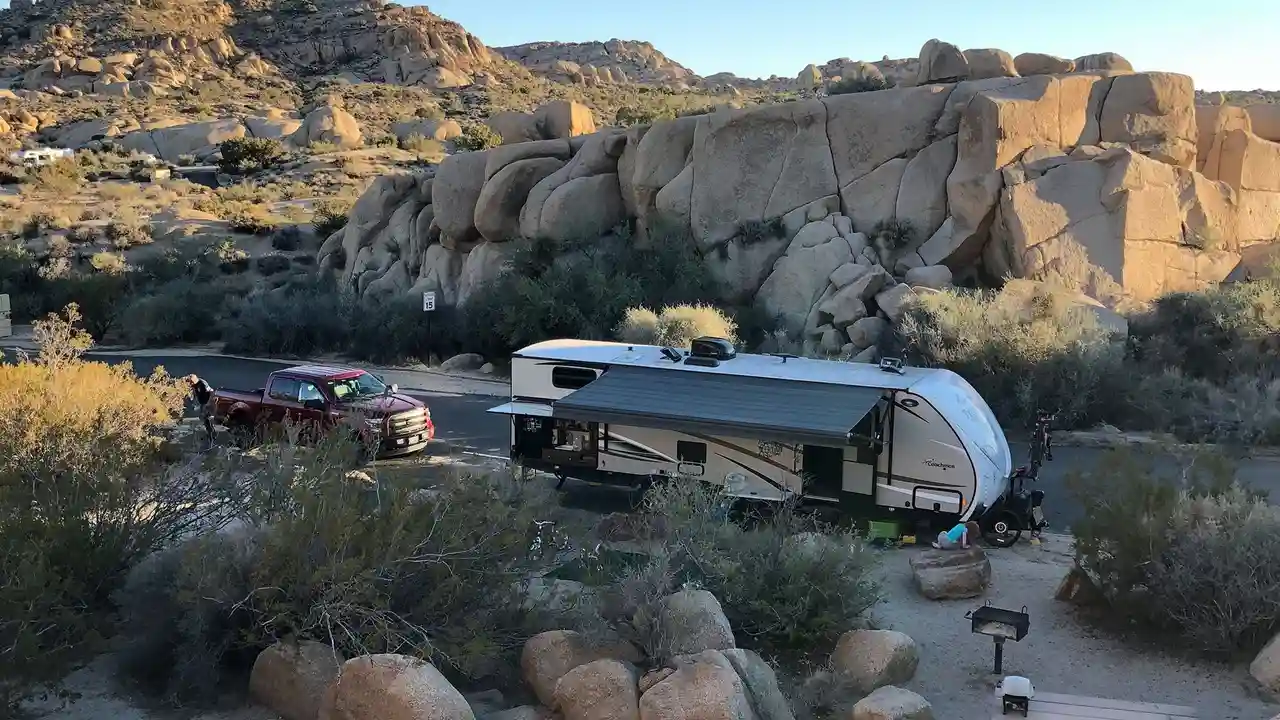
Camping is a great way to experience the natural beauty of the PCH. Several campgrounds are located along the highway, including Pfeiffer Big Sur State Park and Julia Pfeiffer Burns State Park. Campsites typically cost around $35-$50 per night.
Airbnb and Vacation Rentals: Home Away From Home
Airbnb and vacation rentals offer a home-away-from-home experience. You can find apartments, houses, and even unique properties like yurts and cabins. Prices vary depending on the location and size of the rental.
Food and Drink: Culinary Delights Along the Pacific Coast Highway
The PCH is a foodie's paradise, with a wide range of restaurants and cafes to choose from. Here are a few recommendations:
Seafood Restaurants: Fresh Catches From the Pacific Ocean
Enjoy fresh seafood at restaurants like The Fish Hopper in Monterey or Brophy Bros. Clam Bar & Restaurant in Santa Barbara. Expect to pay around $20-$50 per person.
Farm-to-Table Dining: Savoring Local Flavors
Experience farm-to-table dining at restaurants like Sierra Mar at the Post Ranch Inn in Big Sur or The Lark in Santa Barbara. Prices range from $50 to $100 per person.
Casual Cafes and Diners: Quick and Affordable Bites
For a quick and affordable bite, stop at a casual cafe or diner. Chains like Denny's and IHOP are readily available along the PCH. Expect to pay around $10-$20 per person.
Wine Tasting: Exploring California's Wine Country
The PCH passes through several wine regions, including Paso Robles and Santa Ynez Valley. Take a wine tasting tour and sample some of California's finest wines. Tasting fees typically range from $15-$30 per person.
Picnics: Enjoying the Scenery With Your Own Food
Pack a picnic and enjoy the scenery at one of the many scenic viewpoints along the PCH. Stop at a local grocery store and pick up some sandwiches, snacks, and drinks.
Safety Tips for Driving the Pacific Coast Highway
Driving the PCH can be challenging, especially for inexperienced drivers. Here are a few safety tips to keep in mind:
Driving Conditions: Navigating Winding Roads and Traffic
Be prepared for winding roads, steep drop-offs, and heavy traffic, especially during peak season. Drive slowly and cautiously, and be aware of your surroundings.
Weather Conditions: Checking Forecasts and Preparing for Changes
Check the weather forecast before you go and be prepared for changing conditions. Fog, rain, and strong winds are common along the PCH. Pack appropriate clothing and gear.
Road Closures: Staying Informed and Planning Alternative Routes
Road closures can occur due to landslides, accidents, or construction. Stay informed about road conditions by checking the Caltrans website or calling 511. Have an alternative route planned in case of closures.
Emergency Preparedness: Essential Supplies and Contacts
Be prepared for emergencies by packing essential supplies like a first-aid kit, flashlight, jumper cables, and extra water. Have the contact information for emergency services and roadside assistance.
Safe Driving Practices: Avoiding Distractions and Fatigue
Practice safe driving habits by avoiding distractions like texting and eating while driving. Take frequent breaks to avoid fatigue. Never drive under the influence of alcohol or drugs.
Budgeting for Your Pacific Coast Highway Road Trip
Planning a budget is essential for a successful road trip. Here's a breakdown of potential expenses:
Transportation Costs: Gas, Rental Cars, and Tolls
Gas will likely be your biggest transportation expense. Estimate your mileage and calculate the cost of gas based on current prices. Rental car costs can vary depending on the vehicle type and rental duration. Factor in tolls for roads like the 17-Mile Drive.
Accommodation Costs: Hotels, Motels, and Camping
Accommodation costs can vary widely depending on your choice of lodging. Luxury hotels can cost upwards of $500 per night, while motels and campsites are more affordable options.
Food and Drink Costs: Restaurants, Groceries, and Snacks
Food and drink costs can also vary depending on your dining habits. Eating at restaurants can be expensive, while cooking your own meals can save money. Factor in the cost of snacks and drinks for the road.
Activity and Entertainment Costs: Attractions, Tours, and Events
Activity and entertainment costs can include entrance fees to attractions, guided tours, and tickets to events. Research the costs of activities you're interested in and factor them into your budget.
Miscellaneous Expenses: Souvenirs, Parking, and Unexpected Costs
Don't forget to factor in miscellaneous expenses like souvenirs, parking fees, and unexpected costs like car repairs or medical bills.
Making Your Pacific Coast Highway Road Trip Eco-Friendly
Traveling responsibly is important. Here are a few tips for making your PCH road trip more eco-friendly:
Choosing Fuel-Efficient Vehicles: Reducing Your Carbon Footprint
Opt for a fuel-efficient vehicle like a hybrid or electric car to reduce your carbon footprint. Consider renting a car if you don't own a fuel-efficient vehicle.
Supporting Local Businesses: Sustainable Tourism Practices
Support local businesses by shopping at farmers' markets, eating at locally owned restaurants, and staying at independent hotels. This helps to support the local economy and promote sustainable tourism practices.
Reducing Waste: Reusable Water Bottles and Shopping Bags
Reduce waste by bringing reusable water bottles, shopping bags, and food containers. Avoid single-use plastics whenever possible.
Conserving Water and Energy: Responsible Consumption Habits
Conserve water and energy by taking shorter showers, turning off lights when you leave your hotel room, and using public transportation whenever possible.
Respecting Nature: Leave No Trace Principles
Respect nature by following Leave No Trace principles. Pack out all trash, stay on designated trails, and avoid disturbing wildlife.
:max_bytes(150000):strip_icc()/277019-baked-pork-chops-with-cream-of-mushroom-soup-DDMFS-beauty-4x3-BG-7505-5762b731cf30447d9cbbbbbf387beafa.jpg)