Rock Climbing_ Best Spots in California
California Rock Climbing A Comprehensive Guide
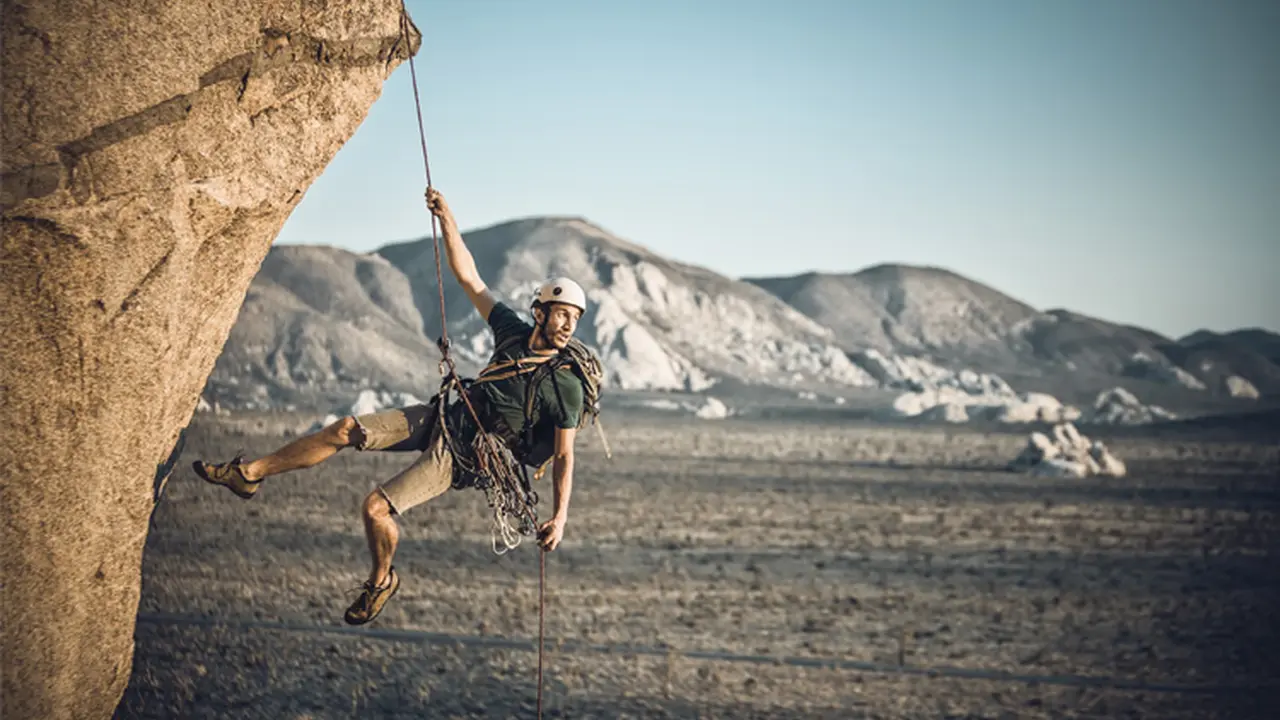
California, a land of sunshine, beaches, and breathtaking landscapes, is also a rock climber's paradise. From the granite giants of Yosemite to the sun-kissed crags of Southern California, the Golden State offers a diverse range of climbing experiences for all skill levels. Whether you're a seasoned pro seeking a challenging multi-pitch route or a beginner eager to learn the ropes, California has something to offer.
Yosemite National Park The Mecca of Rock Climbing
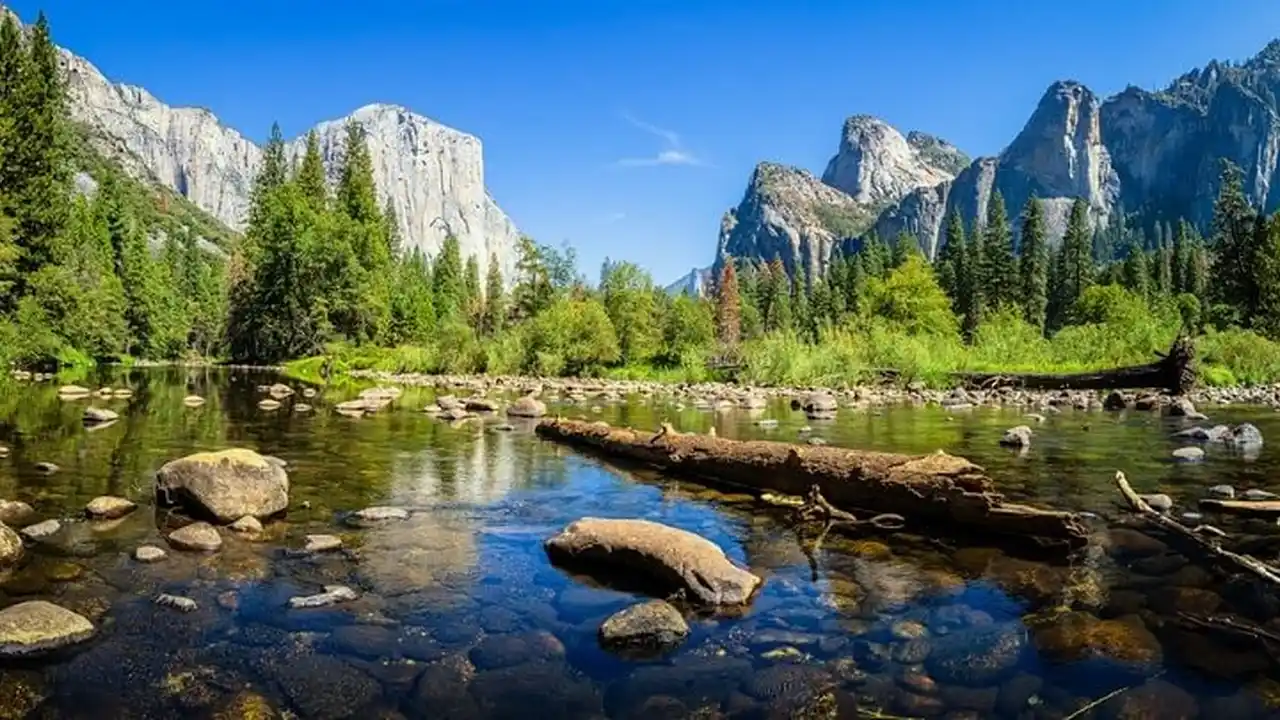
No discussion of California rock climbing is complete without mentioning Yosemite National Park. This iconic park is home to some of the most famous and challenging climbs in the world, attracting climbers from across the globe. The sheer granite walls of El Capitan and Half Dome have become legendary, testaments to the skill and determination of those who dare to ascend them.
El Capitan A Climber's Dream
El Capitan, a towering monolith of granite, is arguably the most famous rock climbing destination in the world. Its imposing face, rising over 3,000 feet above the valley floor, presents a formidable challenge to even the most experienced climbers. Numerous routes ascend El Capitan, each with its own unique character and difficulty. The Nose, the most popular route, is a classic testpiece that has been climbed by countless climbers over the years.
Climbing El Capitan is not for the faint of heart. It requires meticulous planning, extensive experience, and a high level of physical and mental fortitude. Climbers typically spend several days on the wall, sleeping in portaledges and hauling gear up behind them. The sense of accomplishment upon reaching the summit is unparalleled.
Half Dome An Iconic Ascent
Half Dome, another iconic landmark in Yosemite, offers a slightly less daunting but equally rewarding climbing experience. The Regular Northwest Face, the most popular route, is a classic multi-pitch climb that involves a combination of crack climbing, face climbing, and traversing. The final pitch, a steep slab with bolted protection, is a thrilling finish to a challenging climb.
While Half Dome is less technically demanding than El Capitan, it still requires a high level of fitness and experience. Climbers should be comfortable with multi-pitch climbing and have a good understanding of rope management and belay techniques. The views from the summit of Half Dome are simply breathtaking, offering panoramic vistas of the Yosemite Valley and the surrounding mountains.
Yosemite Valley Climbing Areas Beyond the Giants
While El Capitan and Half Dome are the most famous climbs in Yosemite, the park offers a wealth of other climbing opportunities. Yosemite Valley is home to numerous smaller crags and bouldering areas, providing options for climbers of all skill levels. Camp 4, a historic campground in the heart of Yosemite Valley, is a popular gathering place for climbers from around the world.
Some popular climbing areas in Yosemite Valley include:
* **Swan Slab:** A beginner-friendly area with numerous easy routes. * **Church Bowl:** A collection of short, steep climbs with a variety of difficulties. * **Cookie Cliff:** A popular crag with a mix of crack and face climbs. * **Royal Arches:** A long, moderate route that follows a series of arches up the cliff face.Yosemite offers a truly unparalleled climbing experience. The stunning scenery, the challenging climbs, and the vibrant climbing community make it a must-visit destination for any serious rock climber.
Joshua Tree National Park Desert Climbing Adventures
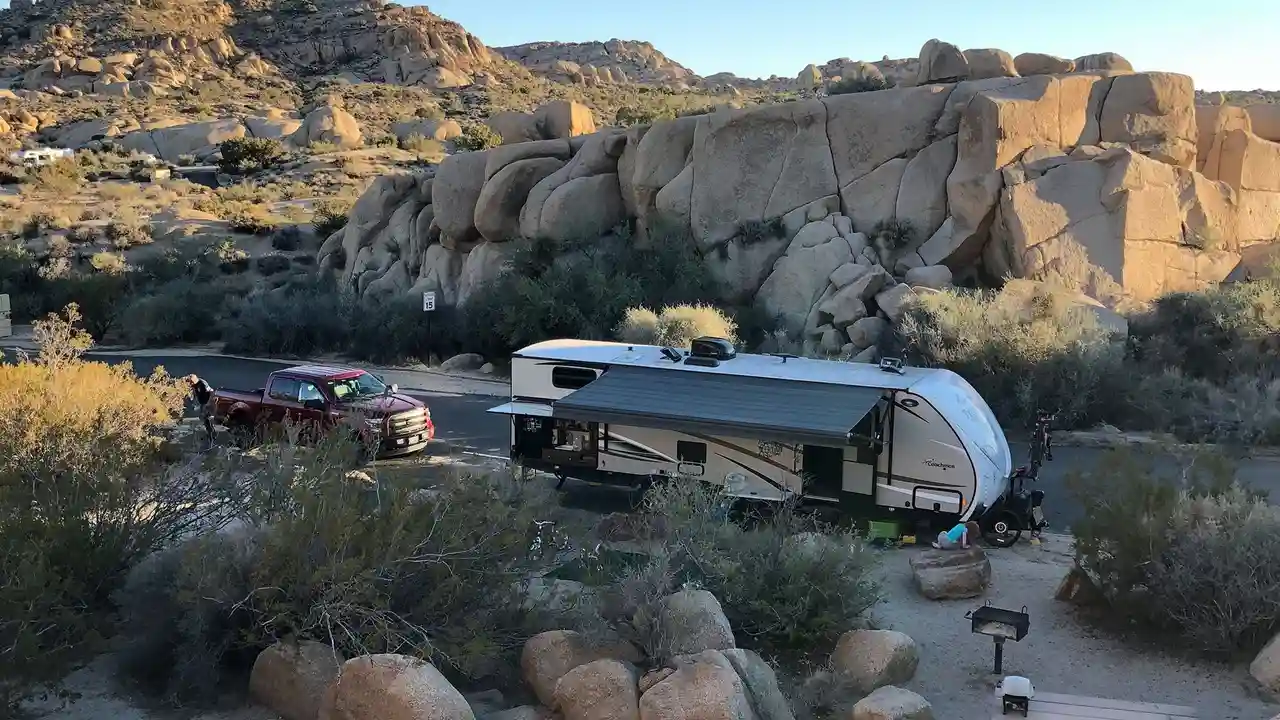
Located in Southern California, Joshua Tree National Park offers a unique and challenging climbing experience. The park is known for its distinctive rock formations, its stark desert landscape, and its abundance of sunshine. Joshua Tree is a popular destination for climbers seeking a different kind of adventure.
Joshua Tree's Unique Rock Formations
The rock formations in Joshua Tree are unlike anything else in the world. The park is composed of monzogranite, a type of granite that has been sculpted by wind and rain into bizarre and beautiful shapes. These formations provide a variety of climbing challenges, including cracks, slabs, and stemming corners.
The climbing in Joshua Tree is typically characterized by its rough texture and its reliance on friction. Climbers often need to use their feet and hands to smear on the rock, relying on the grip of their shoes and the strength of their fingers. The climbing can be demanding, but it is also incredibly rewarding.
Popular Climbing Areas in Joshua Tree
Joshua Tree National Park is home to numerous climbing areas, each with its own unique character and difficulty. Some popular areas include:
* **Hidden Valley Campground:** A central location with easy access to many climbing areas. * **Echo Cove:** A popular area with a variety of climbs, including the classic "Sail Away." * **Indian Cove:** A more remote area with a mix of trad and sport climbs. * **Lost Horse Road:** A scenic drive with numerous roadside climbing areas.Joshua Tree offers a wide range of climbing opportunities, from easy beginner routes to challenging multi-pitch climbs. The park is a great place to learn to climb or to hone your skills in a unique and challenging environment.
Climbing Gear Recommendations for Joshua Tree
Climbing in Joshua Tree requires specialized gear to handle the unique rock and conditions. Here are some recommendations:
* **Climbing Shoes:** Stiff shoes with good edging ability are essential for climbing on the rough granite. * **Crack Gloves:** Protect your hands from the sharp cracks with crack gloves. * **Tape:** Tape your fingers to prevent injuries and improve grip. * **Sun Protection:** The desert sun can be intense, so wear sunscreen, a hat, and sunglasses. * **Water:** Bring plenty of water to stay hydrated in the dry desert air.Tahoe Area Rock Climbing Alpine Adventures
The Tahoe area offers a different kind of climbing experience than Yosemite or Joshua Tree. Here, you'll find alpine climbing on granite peaks, with stunning views of Lake Tahoe and the surrounding mountains. The climbing in Tahoe is typically more remote and challenging than in other parts of California.
Donner Summit A Historic Climbing Area
Donner Summit is a historic climbing area located near Truckee, California. The area is known for its granite cliffs, its challenging climbs, and its stunning scenery. Donner Summit has been a popular climbing destination for decades, attracting climbers from around the world.
The climbing at Donner Summit is typically characterized by its steepness and its exposure. Climbers often need to use their strength and technique to overcome difficult cruxes. The views from the top of the climbs are well worth the effort.
Lake Tahoe's Granite Playground
Lake Tahoe itself is surrounded by granite peaks that offer a variety of climbing opportunities. From the easily accessible crags near Emerald Bay to the more remote peaks in the Desolation Wilderness, there's something for every climber in the Tahoe area.
Some popular climbing areas in the Tahoe area include:
* **Eagle Lake:** A scenic area with a variety of climbs, including the classic "Phantom Spires." * **Big Chief:** A popular crag with a mix of trad and sport climbs. * **Lovers Leap:** A towering granite cliff with numerous multi-pitch routes.Gear Recommendations for Tahoe Climbing
Climbing in the Tahoe area requires gear suitable for alpine conditions. Here are some recommendations:
* **Climbing Shoes:** Versatile shoes that can handle a variety of rock types. * **Layers:** Dress in layers to adapt to changing weather conditions. * **Waterproof Jacket:** Be prepared for rain or snow. * **Navigation Tools:** A map and compass are essential for navigating in the backcountry. * **First Aid Kit:** Carry a first aid kit in case of injuries.Southern California Climbing Coastal Crags and More
Southern California offers a diverse range of climbing opportunities, from the coastal crags of Malibu Creek State Park to the granite domes of Mount Woodson. The climbing in Southern California is typically more accessible and less crowded than in other parts of the state.
Malibu Creek State Park A Local Favorite
Malibu Creek State Park is a popular climbing area located near Los Angeles. The park is known for its sandstone cliffs, its easy access, and its beautiful scenery. Malibu Creek State Park is a great place to learn to climb or to enjoy a casual day of climbing.
The climbing at Malibu Creek State Park is typically characterized by its moderate difficulty and its good protection. Climbers can find a variety of routes, from easy slabs to challenging overhangs.
Mount Woodson Potato Chip Rock and Beyond
Mount Woodson, located near San Diego, is known for its iconic Potato Chip Rock, but it also offers a variety of climbing opportunities. The granite domes of Mount Woodson provide a challenging and rewarding climbing experience.
The climbing at Mount Woodson is typically characterized by its steepness and its exposure. Climbers often need to use their strength and technique to overcome difficult cruxes. The views from the top of the climbs are spectacular.
Product Recommendations for Southern California Climbing
Here are some product recommendations for climbing in Southern California, covering various needs and price points:
* **Climbing Shoes:** * **Beginner:** Mad Rock Drifter (Affordable and comfortable for learning) - $80 * **Intermediate:** La Sportiva Tarantulace (Versatile for various climbing styles) - $110 * **Advanced:** Scarpa Instinct VS (Aggressive shoe for steep climbing) - $180 * **Harness:** * **Beginner:** Black Diamond Momentum (Comfortable and adjustable) - $70 * **Intermediate:** Petzl Corax (Durable and versatile) - $90 * **Advanced:** Arc'teryx AR-395a (Lightweight and comfortable for long days) - $160 * **Belay Device:** * **Beginner:** Black Diamond ATC-XP (Simple and reliable) - $30 * **Intermediate:** Petzl GriGri + (Assisted braking for added safety) - $150 * **Advanced:** Edelrid Mega Jul (Versatile for single and double rope rappels) - $50 * **Crash Pad (for Bouldering):** * **Organic Simple Pad:** (Durable and high-quality) - $250 * **Metolius Session II Crash Pad:** (Good balance of price and performance) - $200Product Comparison Belay Devices
Choosing the right belay device is crucial for safety and efficiency. Here's a brief comparison of the three belay devices listed above:
* **Black Diamond ATC-XP:** The most basic and affordable option. It's a tube-style device that requires the belayer to actively control the rope. It's reliable and easy to use, making it a good choice for beginners. * **Petzl GriGri +:** An assisted-braking device that provides an extra layer of safety. If the belayer loses control of the rope, the GriGri + will automatically lock, preventing the climber from falling too far. It's more expensive than the ATC-XP, but it's a good investment for climbers who want extra security. * **Edelrid Mega Jul:** A versatile device that can be used for belaying, rappelling, and guiding. It's lightweight and easy to handle, making it a good choice for experienced climbers who want a multi-functional tool.Rock Climbing Safety Tips Essential Knowledge
Rock climbing is an inherently dangerous activity, but it can be made safer by following some basic safety guidelines. Always remember to prioritize safety and to climb within your abilities.
Always Check Your Gear
Before each climb, carefully inspect your gear for any signs of wear or damage. Check your rope for cuts, abrasions, or soft spots. Inspect your harness for fraying or broken buckles. Make sure your carabiners are locking properly. If you find any problems with your gear, replace it immediately.
Communicate Clearly with Your Partner
Communication is essential for safe climbing. Before each climb, discuss the route with your partner and agree on signals. Use clear and concise language when communicating during the climb. Always double-check your partner's belay setup before starting to climb.
Know Your Limits
Climb within your abilities. Don't attempt routes that are too difficult or too exposed. If you're feeling tired or uncomfortable, stop and rest. It's better to be safe than sorry.
Take a Climbing Course
If you're new to rock climbing, take a climbing course from a qualified instructor. A climbing course will teach you the basics of climbing technique, rope management, and safety procedures.
Essential Gear for Rock Climbing A Detailed List
Having the right gear is crucial for safe and enjoyable rock climbing. Here's a detailed list of essential gear:
* **Climbing Shoes:** Specialized shoes with sticky rubber soles for grip. * **Harness:** A secure and comfortable harness for attaching to the rope. * **Belay Device:** A device for controlling the rope and arresting falls. * **Carabiners:** Metal clips for connecting gear. * **Quickdraws:** Pre-assembled slings and carabiners for clipping to bolts. * **Rope:** A dynamic rope for absorbing the energy of a fall. * **Helmet:** Protects your head from falling rocks. * **Chalk Bag:** Holds chalk to improve grip.Finding Climbing Partners and Communities
Climbing is often a social activity. Finding climbing partners and communities can enhance your experience and provide a support network. Here are some ways to find climbing partners and communities:
* **Local Climbing Gyms:** Climbing gyms are great places to meet other climbers. * **Online Forums:** Websites like Mountain Project and Reddit have climbing forums where you can connect with other climbers. * **Climbing Clubs:** Many areas have climbing clubs that organize trips and events.Responsible Climbing Practices Preserving Our Crags
It's important to practice responsible climbing to protect the environment and preserve our crags for future generations. Here are some tips for responsible climbing:
* **Pack Out All Trash:** Leave no trace behind. * **Stay on Marked Trails:** Avoid damaging vegetation. * **Respect Wildlife:** Do not disturb animals or their habitat. * **Minimize Impact:** Avoid creating new trails or damaging the rock. * **Support Local Organizations:** Contribute to organizations that protect climbing areas.The Future of Rock Climbing in California
Rock climbing in California is a vibrant and growing sport. With its diverse terrain, its stunning scenery, and its passionate climbing community, California will continue to be a leading destination for rock climbers for many years to come. As the sport grows, it's important to continue to promote responsible climbing practices and to protect the environment so that future generations can enjoy the beauty and challenge of California's crags.
Detailed Information and Pricing for Recommended Climbing Gear
Let's delve deeper into the specific details and current pricing for the climbing gear recommended earlier, providing more context to help you make informed decisions.
Mad Rock Drifter Climbing Shoes (Beginner)
* **Details:** The Mad Rock Drifter is a popular entry-level climbing shoe known for its comfort and affordability. It features a flat sole, moderate asymmetry, and a durable rubber rand. The upper is typically made of synthetic leather or canvas, providing a comfortable fit even for extended wear. * **Use Cases:** Ideal for gym climbing, beginner outdoor routes, and long training sessions. Its comfort makes it suitable for climbers who are just starting out and need a shoe that won't cause excessive foot pain. * **Pricing:** Typically ranges from $70 to $85. Prices can vary depending on the retailer and any ongoing sales. * **Pros:** Comfortable, affordable, durable, good for beginners. * **Cons:** Not as precise or sensitive as more advanced shoes.La Sportiva Tarantulace Climbing Shoes (Intermediate)
* **Details:** The La Sportiva Tarantulace is a versatile climbing shoe suitable for a wide range of climbing styles. It features a slightly downturned sole, moderate asymmetry, and a sticky FriXion RS rubber sole. The upper is made of leather, providing a comfortable and breathable fit. The lace-up closure allows for a precise and adjustable fit. * **Use Cases:** Well-suited for both gym and outdoor climbing, including sport climbing, trad climbing, and bouldering. Its versatility makes it a good choice for climbers who want a shoe that can handle a variety of challenges. * **Pricing:** Typically ranges from $100 to $120. Prices can vary depending on the retailer and any ongoing sales. * **Pros:** Versatile, comfortable, good performance, durable. * **Cons:** Not as specialized as more advanced shoes.Scarpa Instinct VS Climbing Shoes (Advanced)
* **Details:** The Scarpa Instinct VS is an aggressive climbing shoe designed for steep and overhanging routes. It features a highly downturned sole, aggressive asymmetry, and a sticky Vibram XS Edge rubber sole. The upper is made of synthetic leather, providing a precise and supportive fit. The single Velcro strap closure allows for quick and easy adjustments. * **Use Cases:** Ideal for steep sport climbing, bouldering, and competition climbing. Its aggressive design and sticky rubber provide excellent grip and power on small holds. * **Pricing:** Typically ranges from $170 to $190. Prices can vary depending on the retailer and any ongoing sales. * **Pros:** Excellent performance on steep routes, precise, powerful. * **Cons:** Not as comfortable as more relaxed shoes, can be too aggressive for beginners.Black Diamond Momentum Harness (Beginner)
* **Details:** The Black Diamond Momentum harness is a comfortable and adjustable harness designed for beginners. It features a pre-threaded Speed Adjust buckle, Dual Core Construction for comfort, and four gear loops. * **Use Cases:** Ideal for gym climbing, top-roping, and beginner outdoor routes. Its comfort and adjustability make it a good choice for climbers who are just starting out. * **Pricing:** Typically ranges from $65 to $75. * **Pros:** Comfortable, adjustable, affordable. * **Cons:** Not as lightweight or feature-rich as more advanced harnesses.Petzl Corax Harness (Intermediate)
* **Details:** The Petzl Corax harness is a durable and versatile harness suitable for a wide range of climbing styles. It features adjustable leg loops, four gear loops, and a comfortable design. * **Use Cases:** Well-suited for both gym and outdoor climbing, including sport climbing, trad climbing, and mountaineering. * **Pricing:** Typically ranges from $85 to $95. * **Pros:** Durable, versatile, comfortable. * **Cons:** Not as lightweight as some more specialized harnesses.Arc'teryx AR-395a Harness (Advanced)
* **Details:** The Arc'teryx AR-395a harness is a lightweight and comfortable harness designed for long days on the rock. It features Warp Strength Technology for optimal load distribution, adjustable leg loops, and four gear loops. * **Use Cases:** Ideal for long multi-pitch climbs, alpine climbing, and trad climbing. Its lightweight design and comfortable fit make it a good choice for climbers who need a harness that can handle long days in the mountains. * **Pricing:** Typically ranges from $150 to $170. * **Pros:** Lightweight, comfortable, durable, excellent load distribution. * **Cons:** More expensive than other harnesses.Black Diamond ATC-XP Belay Device (Beginner)
* **Details:** The Black Diamond ATC-XP is a classic tube-style belay device known for its simplicity and reliability. It offers excellent control and smooth belaying. * **Use Cases:** Suitable for both gym and outdoor climbing. * **Pricing:** Typically ranges from $25 to $35. * **Pros:** Simple, reliable, affordable. * **Cons:** Requires more active belaying than assisted-braking devices.Petzl GriGri + Belay Device (Intermediate)
* **Details:** The Petzl GriGri + is an assisted-braking belay device that provides an extra layer of safety. It features a panic-proof handle and can be used for both single and double rope climbing. * **Use Cases:** Suitable for sport climbing, trad climbing, and gym climbing. * **Pricing:** Typically ranges from $140 to $160. * **Pros:** Assisted braking, panic-proof handle, versatile. * **Cons:** More expensive than tube-style devices.Edelrid Mega Jul Belay Device (Advanced)
* **Details:** The Edelrid Mega Jul is a versatile belay device that can be used for belaying, rappelling, and guiding. It's lightweight and easy to handle. * **Use Cases:** Suitable for alpine climbing, trad climbing, and mountaineering. * **Pricing:** Typically ranges from $45 to $55. * **Pros:** Versatile, lightweight, easy to handle. * **Cons:** Requires more experience to use effectively.Organic Simple Pad Crash Pad (Bouldering)
* **Details:** Organic crash pads are known for their high quality and durability. The Simple Pad is a basic, yet reliable pad for bouldering. * **Use Cases:** Bouldering, protecting falls. * **Pricing:** Typically around $250. * **Pros:** Durable, high quality. * **Cons:** Can be expensive.Metolius Session II Crash Pad (Bouldering)
* **Details:** The Metolius Session II Crash Pad offers a good balance of price and performance. * **Use Cases:** Bouldering, protecting falls. * **Pricing:** Typically around $200. * **Pros:** Good balance of price and performance. * **Cons:** May not be as durable as higher-end pads.Remember that these prices are estimates and can vary depending on the retailer and any ongoing sales. Always research and compare prices before making a purchase. Also, consider your climbing style, experience level, and budget when choosing climbing gear.
:max_bytes(150000):strip_icc()/277019-baked-pork-chops-with-cream-of-mushroom-soup-DDMFS-beauty-4x3-BG-7505-5762b731cf30447d9cbbbbbf387beafa.jpg)