Coastal Conservation_ Protecting California's Shoreline
Understanding the Delicate Balance of California Coastal Ecosystems
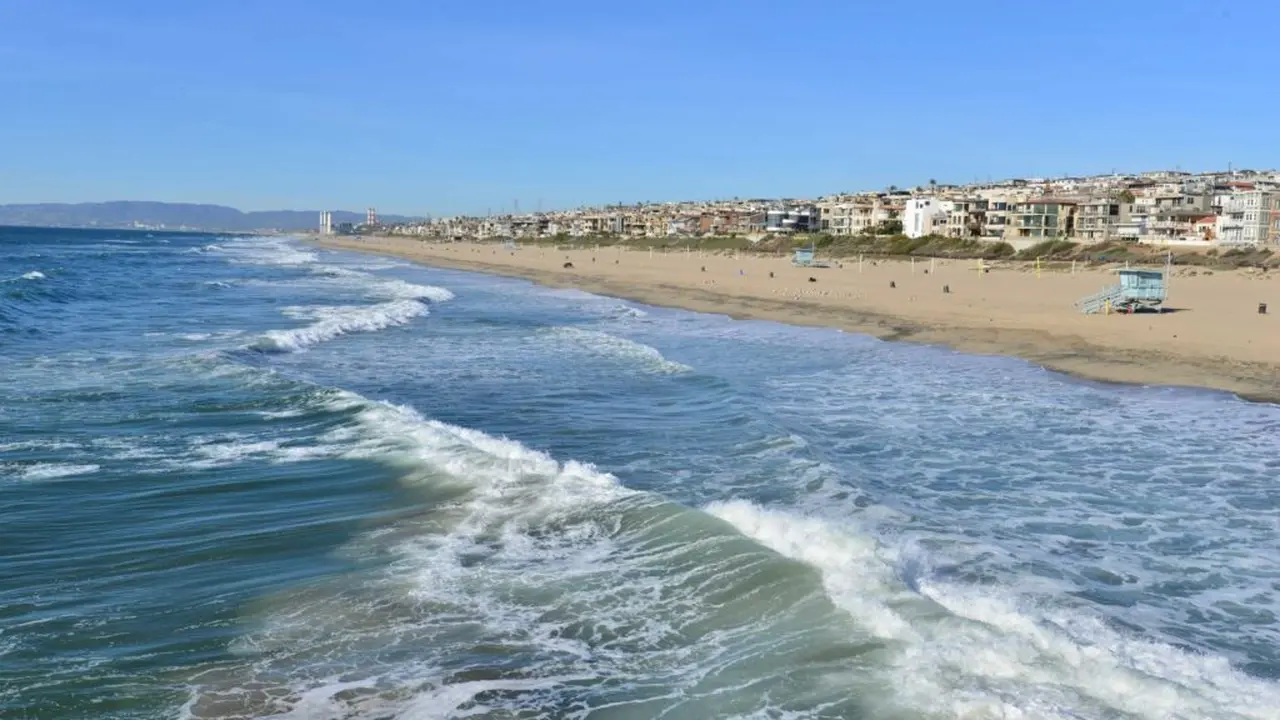
The California coastline, a majestic tapestry of cliffs, beaches, and vibrant marine life, is an ecosystem of unparalleled beauty and ecological significance. From the rugged shores of Northern California to the sun-kissed beaches of Southern California, this coastline is home to a diverse array of species and habitats. Understanding the delicate balance of these ecosystems is crucial for effective coastal conservation.
The California Current, a cold-water current that flows southward along the coast, plays a vital role in supporting the region's rich marine biodiversity. This current brings nutrient-rich waters to the surface, fueling the growth of phytoplankton, the foundation of the marine food web. These tiny organisms support a vast array of marine life, including whales, dolphins, seals, seabirds, and countless fish species.
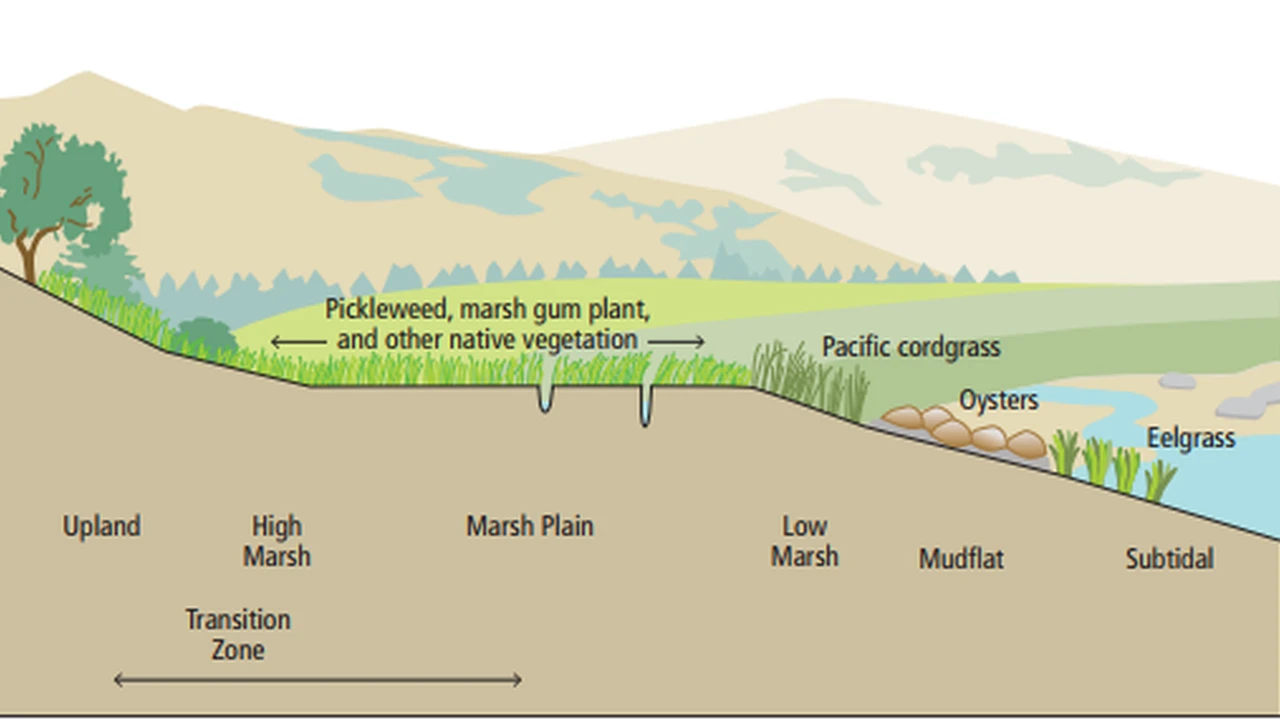
Coastal wetlands, such as salt marshes and estuaries, are also essential components of the California coastal ecosystem. These wetlands provide critical habitat for migratory birds, nursery grounds for fish, and natural buffers against coastal erosion. They also help to filter pollutants and improve water quality.
However, the California coastline faces numerous threats, including pollution, development, climate change, and overfishing. These threats can disrupt the delicate balance of coastal ecosystems and lead to habitat loss, species decline, and reduced coastal resilience.
The Urgent Need for Coastal Conservation Initiatives
Given the numerous threats facing the California coastline, coastal conservation initiatives are more important than ever. These initiatives aim to protect and restore coastal habitats, reduce pollution, promote sustainable resource management, and enhance coastal resilience to climate change.
One of the key challenges in coastal conservation is balancing the needs of human development with the protection of natural resources. Coastal areas are often highly desirable for development, leading to habitat loss, increased pollution, and reduced access to the coast. Sustainable development practices, such as low-impact development and green building, can help to minimize the environmental impacts of development and ensure that coastal resources are protected for future generations.
Another important aspect of coastal conservation is reducing pollution. Pollution from land-based sources, such as stormwater runoff, agricultural runoff, and industrial discharge, can contaminate coastal waters and harm marine life. Implementing best management practices for stormwater management, reducing fertilizer use in agriculture, and enforcing stricter regulations on industrial discharge can help to reduce pollution and improve water quality.
Climate change is also a major threat to the California coastline. Rising sea levels, increased storm intensity, and ocean acidification can all have devastating impacts on coastal habitats and communities. Implementing measures to reduce greenhouse gas emissions, such as transitioning to renewable energy sources and improving energy efficiency, is essential for mitigating the impacts of climate change on the coast.
Exploring Effective Coastal Conservation Strategies
Effective coastal conservation strategies require a multi-faceted approach that addresses the diverse threats facing the California coastline. These strategies include:
*Habitat restoration: Restoring degraded coastal habitats, such as salt marshes and dunes, can help to enhance biodiversity, improve water quality, and increase coastal resilience to climate change.
*Marine protected areas: Establishing marine protected areas can help to protect critical marine habitats and species from overfishing and other threats.
*Sustainable fisheries management: Implementing sustainable fisheries management practices can help to ensure that fish populations are healthy and that fishing activities do not harm coastal ecosystems.
*Coastal planning and zoning: Developing coastal planning and zoning regulations that prioritize conservation can help to guide development away from sensitive coastal areas and ensure that development is sustainable.
*Public education and outreach: Educating the public about the importance of coastal conservation can help to build support for conservation initiatives and encourage responsible coastal stewardship.
Product Recommendation Patagonia's Coastal Cleanup Kit
For individuals passionate about contributing to coastal conservation, Patagonia offers the Coastal Cleanup Kit, a thoughtfully designed set of tools and resources aimed at facilitating effective beach cleanups. This kit embodies Patagonia's commitment to environmental responsibility and empowers individuals to make a tangible difference in protecting our shorelines.
Kit Contents:
*Durable Collection Bag: A reusable, heavy-duty bag made from recycled materials, designed to withstand the rigors of beach cleanup while minimizing environmental impact.
*Protective Gloves: Providing a safe and hygienic barrier against potential hazards during cleanup activities.
*Grabber Tool: An extended reach tool for safely collecting litter without bending or straining, especially useful for reaching debris in difficult areas.
*Informational Guide: A comprehensive guide offering tips on safe cleanup practices, waste sorting, and data collection for tracking cleanup efforts.
Coastal Cleanup Kit Use Cases and Benefits
The Patagonia Coastal Cleanup Kit is versatile and can be used in a variety of settings and situations:
*Individual Beach Cleanups: Perfect for solo volunteers looking to make a difference on their local beaches.
*Group Cleanups: Ideal for organized beach cleanup events, providing multiple kits to equip volunteers.
*Educational Programs: A valuable resource for schools and environmental organizations teaching about marine debris and conservation.
*Corporate Volunteering: Engaging employees in meaningful environmental activities and promoting corporate social responsibility.
Benefits:
*Convenience: Provides all the essential tools in one convenient package.
*Effectiveness: Enables efficient and safe collection of marine debris.
*Sustainability: Made from recycled materials and designed for reuse, minimizing environmental impact.
*Empowerment: Empowers individuals to take action and contribute to coastal conservation.
Coastal Cleanup Kit Product Comparison
While several beach cleanup kits are available on the market, the Patagonia Coastal Cleanup Kit stands out for its quality, sustainability, and commitment to environmental responsibility.
| Feature | Patagonia Coastal Cleanup Kit | Generic Beach Cleanup Kit | |--------------------|--------------------------------|---------------------------| | Materials | Recycled, Durable | Often Virgin Plastics | | Durability | High | Moderate | | Features | Grabber Tool, Info Guide | Basic Bag and Gloves | | Brand Reputation | Environmentally Conscious | Varies | | Price | Higher | Lower |Generic kits may offer a lower price point, but they often compromise on quality and sustainability. The Patagonia kit is an investment in a durable, environmentally responsible product that will last for multiple cleanups.
Coastal Cleanup Kit Detailed Information and Pricing
The Patagonia Coastal Cleanup Kit is available for purchase on Patagonia's website and at select retailers. The price typically ranges from $75 to $90, depending on the retailer and any ongoing promotions.
Key Features:
*Material: Recycled polyester and nylon
*Bag Capacity: Approximately 30 liters
*Grabber Tool Length: 32 inches
*Weight: Approximately 1.5 pounds
*Warranty: Patagonia's Ironclad Guarantee
When purchasing the Coastal Cleanup Kit, consider adding other Patagonia products that align with their commitment to sustainability, such as recycled water bottles, organic cotton t-shirts, and Fair Trade Certified clothing. Supporting companies that prioritize environmental responsibility is crucial for driving positive change.
California Coastal Commission A Guardian of the Golden State's Shores
The California Coastal Commission plays a pivotal role in protecting and managing the state's coastline. Established in 1972, the Commission is responsible for implementing the California Coastal Act, a landmark law that provides a framework for balancing coastal development with the protection of natural resources.
The Coastal Act requires that all development projects within the coastal zone, which extends from the mean high tide line inland, obtain a permit from the Coastal Commission. The Commission reviews these projects to ensure that they are consistent with the policies of the Coastal Act, which include protecting public access to the coast, preserving coastal habitats, and minimizing the impacts of development on coastal resources.
The Coastal Commission also works to educate the public about coastal issues and to promote responsible coastal stewardship. The Commission provides grants to local governments and non-profit organizations for coastal conservation projects and conducts research on coastal resources.
The Role of Local Communities in Coastal Stewardship
While the California Coastal Commission plays a vital role in protecting the state's coastline, local communities also have a critical role to play. Local governments are responsible for developing and implementing local coastal programs (LCPs), which are plans that outline how coastal resources will be managed within their jurisdictions.
Local communities can also support coastal conservation by participating in volunteer cleanup events, advocating for responsible coastal policies, and educating their neighbors about the importance of coastal stewardship. Every individual action, no matter how small, can contribute to the long-term health and resilience of the California coastline.
The Impact of Climate Change on California Coastlines
Climate change poses a significant threat to California's coastlines. Rising sea levels, increased storm intensity, and ocean acidification are already impacting coastal habitats and communities, and these impacts are expected to worsen in the coming years.
Rising sea levels can inundate coastal wetlands, erode beaches, and threaten coastal infrastructure. Increased storm intensity can cause more frequent and severe flooding and erosion. Ocean acidification can harm marine life, particularly shellfish and coral reefs.
Addressing the impacts of climate change on the California coastline requires a combination of mitigation and adaptation strategies. Mitigation strategies aim to reduce greenhouse gas emissions and slow the rate of climate change. Adaptation strategies aim to help coastal communities and ecosystems adapt to the changes that are already occurring.
Innovative Technologies for Coastal Monitoring and Protection
Advances in technology are providing new tools for monitoring and protecting the California coastline. These technologies include:
*Remote sensing: Satellites and drones can be used to monitor coastal erosion, habitat loss, and water quality.
*Acoustic monitoring: Underwater microphones can be used to track marine mammal populations and detect illegal fishing activities.
*Ocean modeling: Computer models can be used to predict the impacts of climate change on coastal ecosystems.
*Smart sensors: Sensors can be deployed in coastal waters to monitor water quality, temperature, and other parameters.
These technologies can provide valuable data for coastal managers and help them to make informed decisions about how to protect coastal resources.
The Future of California Coastlines A Vision for Sustainable Stewardship
The future of California's coastlines depends on our collective commitment to sustainable stewardship. By working together to protect and restore coastal habitats, reduce pollution, promote sustainable resource management, and adapt to the impacts of climate change, we can ensure that the California coastline remains a vibrant and thriving resource for generations to come.
This requires a shift in mindset from viewing the coastline as a resource to be exploited to viewing it as a valuable ecosystem that must be protected. It requires a willingness to make difficult choices and to prioritize the long-term health of the coast over short-term economic gains.
It also requires a commitment to innovation and collaboration. We must continue to develop new technologies and strategies for coastal monitoring and protection, and we must work together across sectors and disciplines to address the complex challenges facing the California coastline.
Supporting Local Businesses Committed to Coastal Conservation
Many local businesses in California are committed to coastal conservation and sustainability. Supporting these businesses is a great way to contribute to the protection of our coastlines.
Look for businesses that:
*Use sustainable materials and practices.
*Reduce their environmental footprint.
*Support local conservation organizations.
*Educate their customers about coastal issues.
By supporting these businesses, you are not only helping to protect the environment but also supporting local economies and creating a more sustainable future.
Volunteer Opportunities for Coastal Conservation Efforts
Volunteering is a great way to get involved in coastal conservation efforts. There are many opportunities to volunteer with local organizations, such as:
*Beach cleanups
*Habitat restoration projects
*Citizen science monitoring
*Educational outreach
Volunteering is a rewarding way to give back to your community and make a difference in protecting the California coastline. Check with local environmental groups or the California Coastal Commission for volunteer opportunities in your area.
The Enduring Beauty and Importance of Protecting California's Shoreline
The California coastline is a national treasure that deserves our protection. Its beauty, biodiversity, and economic importance make it an invaluable resource that must be preserved for future generations. By embracing sustainable practices, supporting conservation initiatives, and working together to address the challenges facing the coast, we can ensure that the California coastline remains a vibrant and thriving place for all.
:max_bytes(150000):strip_icc()/277019-baked-pork-chops-with-cream-of-mushroom-soup-DDMFS-beauty-4x3-BG-7505-5762b731cf30447d9cbbbbbf387beafa.jpg)