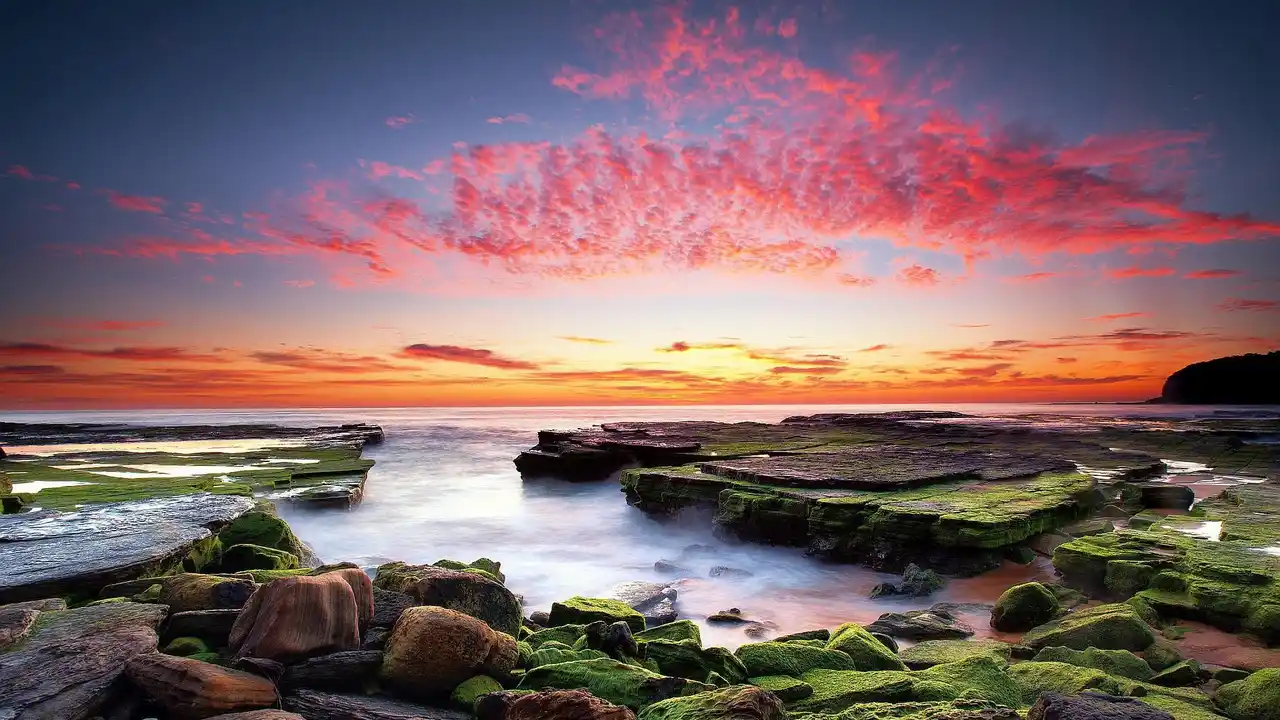
National Park History_ California's Rich Heritage
Discovering California National Parks A Comprehensive Guide
California, the Golden State, boasts an incredible array of national parks, each offering unique landscapes, experiences, and historical significance. From towering redwood forests to arid deserts and stunning coastlines, these parks showcase the state's diverse natural beauty. This comprehensive guide explores the wonders of California's national parks, delving into their history, attractions, and practical information for planning your visit.
The Rich History Of California National Parks A Journey Through Time
The history of California's national parks is intertwined with the conservation movement and the desire to preserve the state's natural wonders for future generations. Early pioneers like John Muir championed the protection of Yosemite Valley, leading to its designation as a national park in 1890. Over the years, other areas of significant natural and historical value have been added to the national park system, creating a legacy of conservation that continues to this day.
The establishment of Yosemite National Park marked a pivotal moment in American conservation history. Muir's passionate advocacy and the growing awareness of the need to protect wilderness areas led to the creation of this iconic park. The park's stunning granite cliffs, giant sequoia trees, and cascading waterfalls captivated visitors and inspired a movement to preserve similar landscapes across the country.
Following Yosemite's establishment, other areas in California were recognized for their unique natural features and historical significance. Sequoia National Park, home to the world's largest trees, was established in 1890 alongside Yosemite. Kings Canyon National Park, with its deep canyons and rugged mountains, followed in 1940. Death Valley National Park, a land of extremes, became a national monument in 1933 and a national park in 1994.
Channel Islands National Park, a chain of islands off the coast of Southern California, was established in 1980 to protect its unique ecosystems and archaeological resources. Redwood National and State Parks, protecting the world's tallest trees, were created through a collaborative effort between the federal government and the state of California. Lassen Volcanic National Park, showcasing volcanic landscapes and hydrothermal features, was established in 1916.
These national parks represent a diverse range of ecosystems and historical periods, each contributing to the rich tapestry of California's natural and cultural heritage. They serve as reminders of the importance of conservation and the need to protect these precious resources for future generations.
Exploring Yosemite National Park Majestic Wonders And Iconic Landmarks
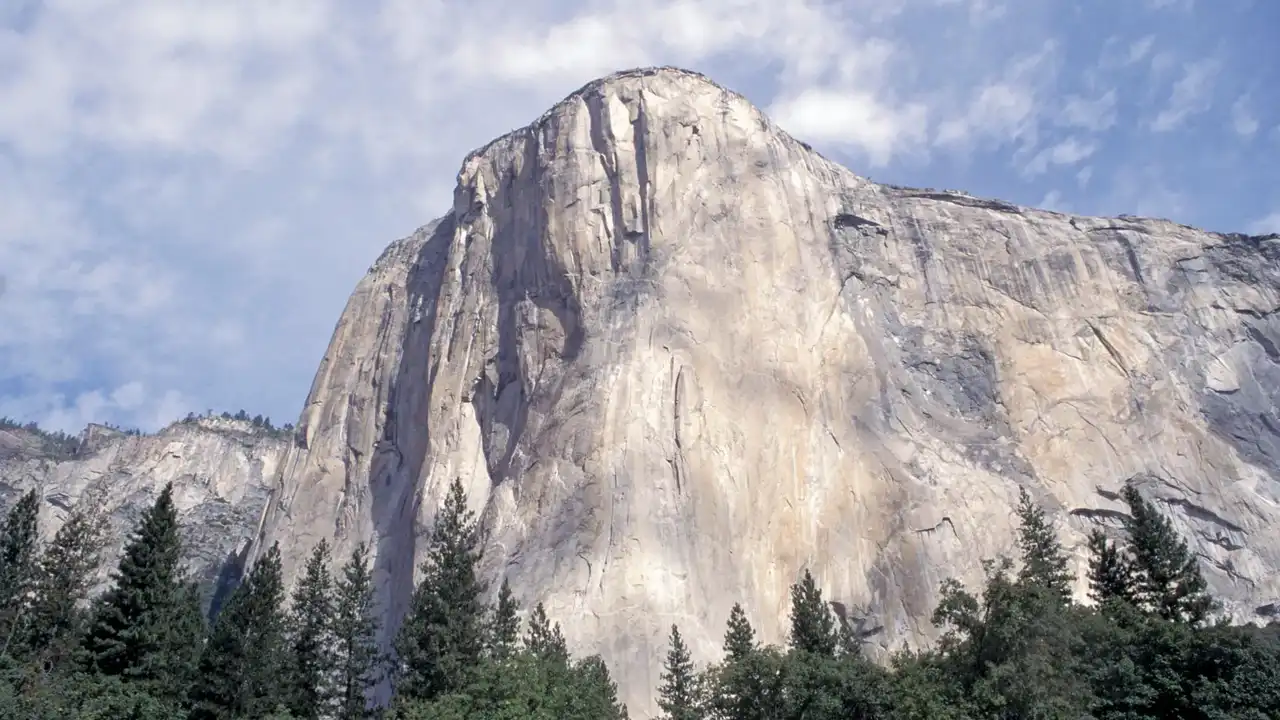
Yosemite National Park, a UNESCO World Heritage Site, is renowned for its stunning granite cliffs, giant sequoia trees, and cascading waterfalls. The park's iconic landmarks, such as El Capitan, Half Dome, and Yosemite Falls, attract millions of visitors each year. Exploring Yosemite offers a variety of activities, including hiking, rock climbing, camping, and wildlife viewing.
El Capitan, a massive granite monolith, is a mecca for rock climbers from around the world. Its sheer vertical face presents a challenging climb, attracting experienced climbers seeking to conquer its heights. Half Dome, another iconic landmark, offers stunning panoramic views of the park after a strenuous hike to its summit. Yosemite Falls, one of the tallest waterfalls in North America, is a breathtaking sight, especially during the spring when snowmelt feeds its powerful flow.
Hiking trails abound in Yosemite, ranging from easy strolls to challenging backcountry treks. The Mist Trail leads to Vernal Fall and Nevada Fall, offering stunning views of the waterfalls and the surrounding valley. The Yosemite Valley Loop Trail provides a scenic overview of the valley floor, passing by meadows, forests, and the Merced River. For experienced hikers, the hike to the top of Half Dome offers an unforgettable experience, with panoramic views of the park.
Camping in Yosemite is a popular way to experience the park's natural beauty. Several campgrounds are located throughout the park, offering a range of amenities. Reservations are highly recommended, especially during peak season. Wildlife viewing is another popular activity in Yosemite. Black bears, deer, coyotes, and a variety of bird species can be spotted throughout the park. Remember to store food properly to avoid attracting bears.
For a truly immersive experience, consider hiring a local guide. Companies like Yosemite.com offer a range of guided tours, from hiking and backpacking to rock climbing and photography workshops. A knowledgeable guide can enhance your experience by providing insights into the park's history, geology, and ecology.
Discovering Sequoia And Kings Canyon National Parks Giants Of The Sierra Nevada
Sequoia and Kings Canyon National Parks, located in the southern Sierra Nevada, are home to the world's largest trees, the giant sequoias. These parks also feature deep canyons, rugged mountains, and stunning alpine scenery. Exploring Sequoia and Kings Canyon offers opportunities for hiking, camping, wildlife viewing, and stargazing.
The General Sherman Tree, located in Sequoia National Park, is the largest tree by volume in the world. This massive sequoia stands over 275 feet tall and has a circumference of over 102 feet. Visitors can walk the paved trail around the tree and marvel at its immense size. Other notable sequoia groves in the parks include the Grant Grove and the Redwood Mountain Grove.
Kings Canyon, one of the deepest canyons in North America, offers breathtaking views and challenging hiking opportunities. The Kings Canyon Scenic Byway winds through the canyon, providing access to viewpoints and trailheads. The Zumwalt Meadow Trail is an easy hike that offers stunning views of the canyon floor. For experienced hikers, the hike to the top of Mist Falls is a challenging but rewarding experience.
Camping in Sequoia and Kings Canyon is a popular way to experience the parks' natural beauty. Several campgrounds are located throughout the parks, offering a range of amenities. Reservations are highly recommended, especially during peak season. Wildlife viewing is another popular activity in Sequoia and Kings Canyon. Black bears, deer, marmots, and a variety of bird species can be spotted throughout the parks. Remember to store food properly to avoid attracting bears.
For astrophotography enthusiasts, Sequoia and Kings Canyon offer dark skies and stunning celestial views. The parks' remote location and high elevation make them ideal for stargazing. Consider joining a ranger-led astronomy program or attending a star party to learn more about the night sky.
Venturing Into Death Valley National Park Extremes Of The Desert Landscape
Death Valley National Park, a land of extremes, is the hottest, driest, and lowest national park in the United States. The park's dramatic landscapes include salt flats, sand dunes, canyons, and mountains. Exploring Death Valley offers opportunities for hiking, scenic drives, wildlife viewing, and stargazing.
Zabriskie Point, a popular viewpoint, offers stunning views of the park's eroded badlands. The colorful formations are the result of millions of years of erosion and sedimentation. Dante's View, located high in the Black Mountains, provides panoramic views of the entire valley, including Badwater Basin, the lowest point in North America.
Badwater Basin, a vast salt flat, lies 282 feet below sea level. The salt crust is the result of evaporated water, leaving behind mineral deposits. Mesquite Flat Sand Dunes, the park's largest sand dunes, offer opportunities for hiking and sandboarding. The dunes are especially beautiful at sunrise and sunset.
Hiking in Death Valley requires careful planning and preparation due to the extreme heat. Carry plenty of water, wear appropriate clothing, and avoid hiking during the hottest part of the day. The Golden Canyon Trail is a popular hike that leads through a narrow canyon with colorful rock formations. The Mosaic Canyon Trail is another popular hike that features polished marble walls.
Wildlife in Death Valley is surprisingly diverse, despite the harsh conditions. Coyotes, roadrunners, bighorn sheep, and a variety of bird species can be spotted in the park. The pupfish, a small fish that lives in isolated springs and pools, is a unique example of adaptation to extreme environments.
For reliable navigation in Death Valley's vast and often unmarked terrain, consider investing in a Garmin inReach Mini 2 satellite communicator. This device allows you to send and receive messages, track your location, and trigger an SOS in case of an emergency. It's a valuable tool for safety and peace of mind when exploring remote areas.
Product Recommendation: Garmin inReach Mini 2
Use Case: Hiking and exploring remote areas within Death Valley National Park.
Product Comparison: Unlike standard GPS devices that rely on cellular service, the inReach Mini 2 uses satellite communication, ensuring connectivity even in areas with no cell coverage. Compared to larger satellite phones, it's compact and lightweight, making it ideal for backpacking and hiking.
Detailed Information: The Garmin inReach Mini 2 offers two-way messaging, SOS capabilities, location tracking, and weather forecasts. It connects to the Iridium satellite network, providing global coverage. It has a long battery life, lasting up to 14 days in tracking mode. Pricing: Approximately $399.99, plus a subscription for satellite service.
Exploring Channel Islands National Park California's Galapagos
Channel Islands National Park, often referred to as "California's Galapagos," is a chain of five islands off the coast of Southern California. The islands are home to unique ecosystems, including endemic plant and animal species. Exploring Channel Islands offers opportunities for hiking, kayaking, whale watching, and snorkeling.
Each of the five islands – Santa Barbara, Anacapa, Santa Cruz, Santa Rosa, and San Miguel – offers a unique experience. Santa Barbara Island is the smallest and most remote, known for its seabird colonies. Anacapa Island is home to a historic lighthouse and stunning sea caves. Santa Cruz Island is the largest and most diverse, with hiking trails, beaches, and sea caves. Santa Rosa Island offers opportunities for hiking, camping, and wildlife viewing. San Miguel Island is the westernmost island, known for its diverse marine life and archaeological sites.
Kayaking is a popular way to explore the islands' coastline and sea caves. Several tour operators offer guided kayaking tours, providing access to hidden coves and secluded beaches. Whale watching is another popular activity, especially during the migration seasons. Gray whales, humpback whales, and blue whales can be spotted off the coast of the islands.
Snorkeling and diving are excellent ways to explore the islands' underwater world. The kelp forests surrounding the islands are home to a variety of marine life, including colorful fish, sea lions, and seals. Scorpion Anchorage on Santa Cruz Island is a popular spot for snorkeling and diving.
Hiking trails abound on the islands, ranging from easy strolls to challenging backcountry treks. The Montañon Ridge Trail on Santa Cruz Island offers stunning views of the island's interior. The Torrey Pines Trail on Santa Rosa Island leads to a scenic overlook with views of the coastline.
Redwood National And State Parks Towering Giants And Ancient Forests
Redwood National and State Parks, located along the northern coast of California, protect the world's tallest trees, the coast redwoods. These ancient forests offer a unique and awe-inspiring experience. Exploring Redwood National and State Parks offers opportunities for hiking, camping, scenic drives, and wildlife viewing.
The coast redwoods can grow to heights of over 350 feet, creating a cathedral-like atmosphere in the forests. The parks also protect a variety of other ecosystems, including oak woodlands, prairies, and coastline. Tall Trees Grove, located in Redwood National Park, is home to some of the tallest trees in the world. Stout Memorial Grove, located in Jedediah Smith Redwoods State Park, is another popular grove with easy access.
Hiking trails abound in the parks, ranging from easy strolls to challenging backcountry treks. The Lady Bird Johnson Grove Trail is an easy loop trail that winds through a redwood forest. The Fern Canyon Trail, located in Prairie Creek Redwoods State Park, leads through a canyon covered in ferns. The Coastal Trail offers stunning views of the Pacific Ocean.
Camping in Redwood National and State Parks is a popular way to experience the parks' natural beauty. Several campgrounds are located throughout the parks, offering a range of amenities. Reservations are highly recommended, especially during peak season. Wildlife viewing is another popular activity in Redwood National and State Parks. Roosevelt elk, black bears, deer, and a variety of bird species can be spotted throughout the parks.
For capturing the majesty of the redwoods, consider using a wide-angle lens like the Sony FE 16-35mm f/2.8 GM. This lens allows you to capture the towering trees in their entirety and create stunning landscape photos.
Product Recommendation: Sony FE 16-35mm f/2.8 GM Lens
Use Case: Capturing wide-angle landscape photos of the towering redwood trees in Redwood National and State Parks.
Product Comparison: Compared to kit lenses, the Sony FE 16-35mm f/2.8 GM offers superior image quality, a wider aperture for low-light performance, and a durable construction. It's also lighter and more compact than some other professional wide-angle lenses.
Detailed Information: The Sony FE 16-35mm f/2.8 GM is a professional-grade wide-angle zoom lens designed for Sony full-frame mirrorless cameras. It features a fast f/2.8 aperture, excellent sharpness, and a robust build quality. Pricing: Approximately $2,198.
Lassen Volcanic National Park Hydrothermal Wonders And Volcanic Landscapes
Lassen Volcanic National Park, located in Northern California, showcases volcanic landscapes and hydrothermal features. The park is home to steaming fumaroles, boiling mud pots, and colorful hot springs. Exploring Lassen Volcanic offers opportunities for hiking, camping, wildlife viewing, and stargazing.
Lassen Peak, the park's dominant feature, is a dormant volcano that last erupted in 1914-1917. The eruption dramatically reshaped the park's landscape, creating new hydrothermal features and altering existing ones. Bumpass Hell, the park's largest hydrothermal area, features boiling mud pots, steaming fumaroles, and colorful hot springs. Sulphur Works, another hydrothermal area, is easily accessible from the park's main road.
Hiking trails abound in Lassen Volcanic, ranging from easy strolls to challenging backcountry treks. The Bumpass Hell Trail is a popular hike that leads to the park's largest hydrothermal area. The Lassen Peak Trail is a strenuous hike to the summit of Lassen Peak, offering panoramic views of the park and the surrounding area. The Kings Creek Falls Trail is an easy hike that leads to a scenic waterfall.
Camping in Lassen Volcanic is a popular way to experience the park's natural beauty. Several campgrounds are located throughout the park, offering a range of amenities. Reservations are highly recommended, especially during peak season. Wildlife viewing is another popular activity in Lassen Volcanic. Black bears, deer, coyotes, and a variety of bird species can be spotted throughout the park.
For a comfortable and enjoyable camping experience in Lassen Volcanic, consider investing in a reliable portable power station like the Jackery Explorer 1000 Pro. This power station can provide power for your lights, electronic devices, and even small appliances, making your camping trip more convenient.
Product Recommendation: Jackery Explorer 1000 Pro Portable Power Station
Use Case: Providing power for lights, electronic devices, and small appliances while camping in Lassen Volcanic National Park.
Product Comparison: Compared to gas generators, the Jackery Explorer 1000 Pro is silent, emissions-free, and requires no fuel. It's also more portable and easier to use than traditional generators. Compared to other portable power stations, the Jackery Explorer 1000 Pro offers a high capacity, fast charging, and a durable design.
Detailed Information: The Jackery Explorer 1000 Pro is a portable power station with a capacity of 1002Wh. It features multiple output ports, including AC outlets, USB ports, and a DC port. It can be charged via solar panels, AC wall outlet, or car outlet. Pricing: Approximately $1,099.
Planning Your Trip To California National Parks Essential Tips And Recommendations
Planning a trip to California's national parks requires careful consideration of several factors, including the time of year, the park's location, and your desired activities. Researching the park's weather conditions, trail closures, and reservation requirements is essential for a smooth and enjoyable experience. Booking accommodations and tours in advance is highly recommended, especially during peak season.
The best time to visit California's national parks depends on the park and your desired activities. Yosemite and Sequoia and Kings Canyon are best visited during the spring and fall, when the weather is mild and the crowds are smaller. Death Valley is best visited during the winter months, when the temperatures are cooler. Channel Islands can be visited year-round, but the best time for whale watching is during the migration seasons. Redwood National and State Parks can be visited year-round, but the summer months offer the most pleasant weather.
Packing for a trip to California's national parks requires consideration of the park's climate and terrain. Comfortable hiking shoes, layers of clothing, sunscreen, a hat, and sunglasses are essential items. A map, compass, and first-aid kit are also recommended for hiking in remote areas. Binoculars can enhance your wildlife viewing experience. A camera is essential for capturing the stunning scenery.
Respecting the environment is crucial when visiting California's national parks. Stay on marked trails, pack out all trash, and avoid disturbing wildlife. Follow Leave No Trace principles to minimize your impact on the park's natural resources. Be aware of fire restrictions and take precautions to prevent wildfires. Report any suspicious activity or damage to park authorities.
Protecting California National Parks Conservation Efforts And Future Challenges
California's national parks face a variety of challenges, including climate change, invasive species, and human impact. Conservation efforts are essential for protecting these precious resources for future generations. Supporting organizations that work to protect California's national parks is a way to contribute to their long-term preservation.
Climate change is one of the most significant threats to California's national parks. Rising temperatures, changes in precipitation patterns, and increased frequency of wildfires are impacting the parks' ecosystems and resources. Conservation efforts are focused on mitigating the effects of climate change and adapting to changing conditions.
Invasive species pose a threat to the native plants and animals in California's national parks. Invasive species can outcompete native species for resources, alter habitats, and spread diseases. Conservation efforts are focused on preventing the introduction of new invasive species and controlling the spread of existing ones.
Human impact, including pollution, vandalism, and overuse, can also damage California's national parks. Conservation efforts are focused on educating visitors about responsible recreation and enforcing park regulations. Supporting sustainable tourism practices can help minimize the impact of human activities on the parks.
Organizations like the National Parks Conservation Association and the California State Parks Foundation work to protect California's national parks through advocacy, education, and conservation projects. Supporting these organizations is a way to contribute to the long-term preservation of these precious resources.
Conclusion California National Parks A Legacy Of Natural Beauty
California's national parks offer a diverse range of landscapes, experiences, and historical significance. From towering redwood forests to arid deserts and stunning coastlines, these parks showcase the state's incredible natural beauty. Exploring California's national parks is an unforgettable experience that will inspire awe and appreciation for the natural world. By planning your trip carefully, respecting the environment, and supporting conservation efforts, you can help protect these precious resources for future generations.
:max_bytes(150000):strip_icc()/277019-baked-pork-chops-with-cream-of-mushroom-soup-DDMFS-beauty-4x3-BG-7505-5762b731cf30447d9cbbbbbf387beafa.jpg)