Stargazing_ Darkest Skies in California

California Stargazing Adventures Unveiled
California, a land of diverse landscapes, offers not only stunning coastlines and towering mountains but also some of the darkest skies in the United States. For astronomy enthusiasts and casual stargazers alike, California provides a unique opportunity to witness the celestial wonders of the universe. This article delves into the best locations for stargazing in California, offering practical advice, product recommendations, and a comprehensive guide to planning your own unforgettable stargazing adventure.
Why California's Dark Skies Are Special
Light pollution, the excessive and misdirected artificial light, obscures our view of the night sky. California, despite its large population centers, still boasts pockets of pristine darkness where the Milky Way shines brightly. This is due to a combination of factors, including remote locations, high altitudes, and dedicated efforts to minimize light pollution.
Top Stargazing Locations in California
Choosing the right location is crucial for a successful stargazing experience. Here are some of the top spots in California, each offering its own unique charm and advantages:
Death Valley National Park: A Dark Sky Paradise
Death Valley National Park is an International Dark Sky Park, renowned for its exceptionally dark skies. The vast, open landscapes and minimal light pollution make it an ideal destination for observing the Milky Way, constellations, and meteor showers. During the winter months, the clear, dry air further enhances the viewing experience.
Product Recommendation: Celestron NexStar 8SE Telescope
For serious stargazers visiting Death Valley, the Celestron NexStar 8SE is an excellent choice. This computerized telescope offers a large aperture for bright, detailed views of celestial objects. Its GoTo technology makes it easy to locate and track thousands of stars, planets, and galaxies. The NexStar 8SE is also relatively portable, making it suitable for travel. It's a Schmidt-Cassegrain telescope, known for its compact design and good image quality. Consider a dew shield to prevent condensation on the optics, especially in the cooler desert nights. A power tank is also recommended as electrical outlets may be limited.
Use Case: Observing faint galaxies and nebulae in Death Valley's dark skies.
Pricing: Approximately $1500 - $1800.
Joshua Tree National Park: Desert Stargazing at its Finest
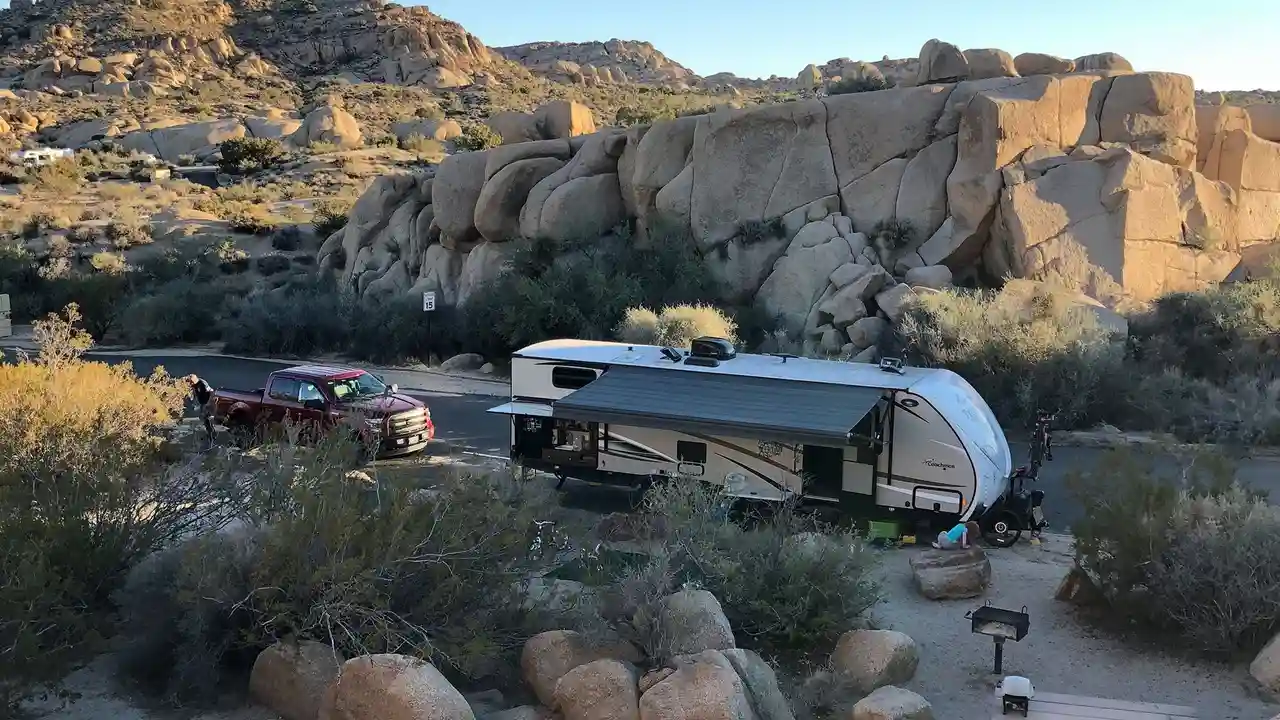
Joshua Tree National Park, another International Dark Sky Park, offers a unique blend of desert landscapes and dark skies. The park's iconic Joshua trees provide a stunning foreground for astrophotography, while the clear, dry air ensures excellent viewing conditions. Consider visiting during a new moon for the darkest possible skies.
Product Recommendation: Orion Binocular Harness
While a telescope offers magnified views, binoculars are excellent for scanning the Milky Way and observing large constellations. The Orion Binocular Harness allows you to comfortably carry and use your binoculars for extended periods, freeing up your hands for other activities. This is particularly useful in Joshua Tree where you might want to navigate rocky terrain while keeping your binoculars readily accessible. Look for models with adjustable straps and comfortable padding. Consider pairing this with a pair of 10x50 binoculars for optimal stargazing.
Use Case: Comfortably scanning the Milky Way for star clusters and nebulae in Joshua Tree.
Pricing: Approximately $25 - $40.
Mount Laguna: Mountain Top Stargazing
Located in the Cleveland National Forest, Mount Laguna offers stunning views and dark skies, especially during the summer months. The higher elevation provides clearer air and reduced light pollution compared to coastal areas. The Mount Laguna Observatory is a research facility that also offers public stargazing events.
Product Recommendation: Red Headlamp with Adjustable Brightness
Preserving your night vision is crucial for stargazing. A red headlamp allows you to see without affecting your eyes' ability to adapt to the darkness. Look for a headlamp with adjustable brightness settings to minimize light pollution and preserve the viewing experience for others. Ensure it has a long battery life and is comfortable to wear for extended periods. Avoid white light at all costs once your eyes are dark-adapted.
Use Case: Navigating dark trails and setting up equipment without affecting night vision on Mount Laguna.
Pricing: Approximately $15 - $30.
Anza-Borrego Desert State Park: A Hidden Gem for Stargazers
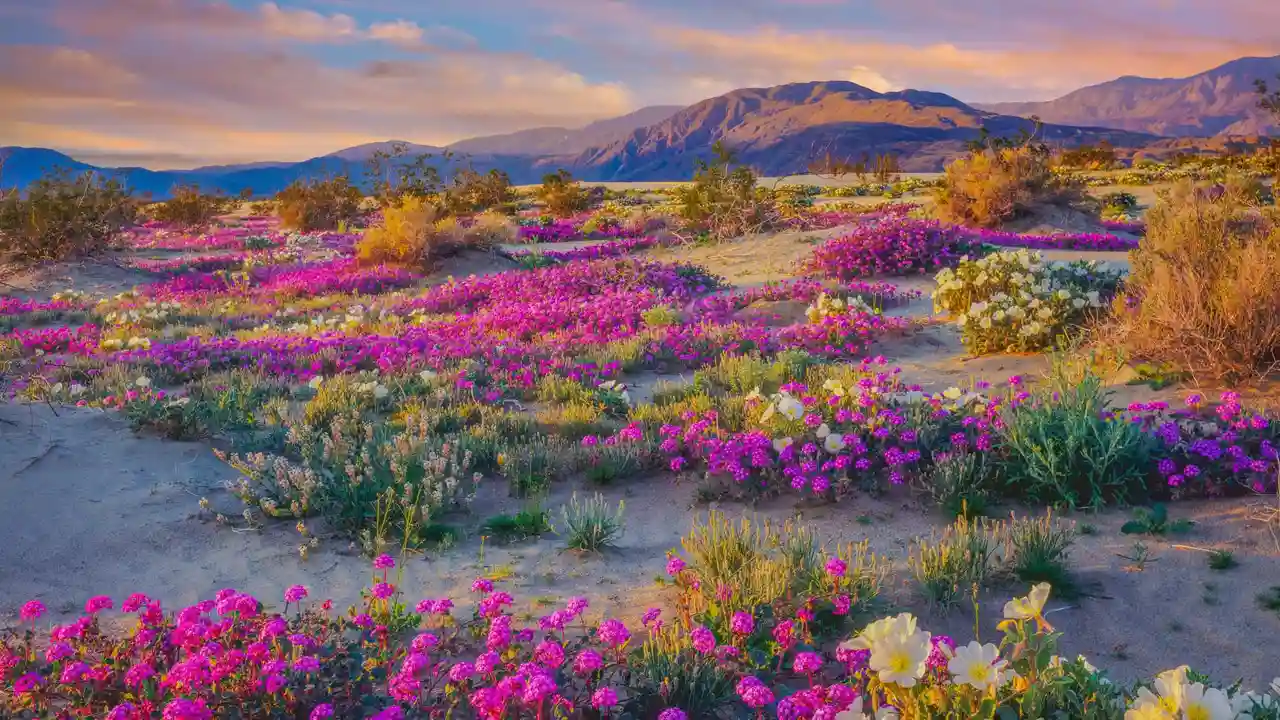
Anza-Borrego Desert State Park, California's largest state park, is a hidden gem for stargazers. Its vast, undeveloped landscapes and minimal light pollution create ideal conditions for observing the night sky. The park also offers numerous hiking trails and camping opportunities.
Product Recommendation: Celestron SkyScout Personal Planetarium
The Celestron SkyScout Personal Planetarium is a handheld device that identifies stars, planets, and constellations. Simply point it at the sky, and it will tell you what you are looking at. This is a great tool for beginners who are just learning about astronomy. It contains a database of over 6,000 celestial objects and provides audio and text descriptions. It's a fun and educational tool for all ages.
Use Case: Identifying constellations and planets in Anza-Borrego Desert State Park.
Pricing: Approximately $150 - $200.
Essential Stargazing Equipment
Having the right equipment can significantly enhance your stargazing experience. Here are some essential items to consider:
Telescopes: Unveiling the Deep Sky
A telescope is a powerful tool for observing celestial objects in detail. There are various types of telescopes available, each with its own advantages and disadvantages. Refracting telescopes use lenses to focus light, while reflecting telescopes use mirrors. Catadioptric telescopes combine lenses and mirrors for a compact design. Consider your budget, portability, and desired magnification when choosing a telescope.
Product Comparison: Refractor vs. Reflector vs. Catadioptric Telescopes
- Refractor Telescopes: Generally provide sharper images and require less maintenance. However, they can be more expensive for a given aperture. Good for observing planets and the moon.
- Reflector Telescopes: Offer larger apertures for a lower price. Good for observing faint deep-sky objects like galaxies and nebulae. Require more maintenance and may suffer from coma (distortion at the edges of the field of view).
- Catadioptric Telescopes: Combine lenses and mirrors for a compact and versatile design. Good for both planetary and deep-sky observing. Can be more expensive than reflectors.
Binoculars: A Wide-Field View
Binoculars are an excellent alternative to telescopes for beginners. They offer a wider field of view, making it easier to scan the sky and locate constellations. Binoculars are also more portable and easier to use than telescopes. Look for binoculars with a large aperture (e.g., 50mm) and a magnification of 7x or 10x.
Star Charts and Apps: Navigating the Night Sky
Star charts and apps are essential tools for identifying constellations, planets, and other celestial objects. Star charts are printed maps of the night sky, while apps offer interactive maps that can be customized to your location and time. Some popular stargazing apps include SkyView Lite, Star Walk 2, and Stellarium Mobile.
Detailed Information: Using Stargazing Apps Effectively
Stargazing apps are incredibly powerful tools for navigating the night sky. Most apps use your phone's GPS and compass to determine your location and orientation, allowing them to display a real-time map of the stars and planets visible from your current viewpoint. Many apps also offer augmented reality features, overlaying the star map onto your phone's camera view. Experiment with different apps to find one that suits your needs and preferences. Some apps offer advanced features like light pollution maps and observing planning tools. Remember to calibrate your phone's compass regularly for accurate results.
Red Flashlight: Preserving Night Vision
White light can ruin your night vision, making it difficult to see faint stars. A red flashlight preserves your night vision, allowing you to see your surroundings without affecting your eyes' ability to adapt to the darkness. Look for a red flashlight with adjustable brightness settings.
Warm Clothing and Blankets: Staying Comfortable
Even in California, nights can be cold, especially at higher elevations. Dress in layers and bring warm clothing, including a hat, gloves, and a jacket. A blanket or sleeping bag can also provide extra warmth and comfort.
Tips for Planning Your Stargazing Trip
Planning is essential for a successful stargazing trip. Here are some tips to consider:
Check the Weather Forecast
Clear skies are essential for stargazing. Check the weather forecast before you go and choose a night with minimal cloud cover. Websites like Clear Sky Chart provide detailed forecasts specifically for astronomy.
Choose a Dark Location
Minimize light pollution by choosing a location far from city lights. National and state parks, remote campgrounds, and high-elevation areas are generally good choices.
Visit During a New Moon
The moon's light can interfere with stargazing. The darkest skies occur during a new moon when the moon is not visible.
Arrive Early
Arrive at your stargazing location before sunset to allow your eyes to adjust to the darkness. This also gives you time to set up your equipment and familiarize yourself with the surroundings.
Be Patient
Stargazing requires patience. It takes time for your eyes to adjust to the darkness, and it may take some time to find the objects you are looking for. Relax, enjoy the beauty of the night sky, and be prepared to spend several hours observing.
Astrophotography: Capturing the Cosmos
Astrophotography, the art of photographing celestial objects, is a rewarding hobby that allows you to capture the beauty of the universe. While advanced astrophotography requires specialized equipment, you can start with basic equipment and techniques.
Basic Astrophotography with a Smartphone
Modern smartphones have surprisingly capable cameras that can be used for basic astrophotography. Use a tripod to stabilize your phone and experiment with different exposure settings. You can also use apps that offer specialized astrophotography features.
Advanced Astrophotography with a DSLR or Mirrorless Camera
For more advanced astrophotography, a DSLR or mirrorless camera with a wide-angle lens and a tripod is recommended. Use long exposure times to capture faint objects and consider using a star tracker to compensate for the Earth's rotation.
Detailed Information: Choosing the Right Camera for Astrophotography
When choosing a camera for astrophotography, consider the following factors: sensor size, ISO performance, lens compatibility, and noise reduction capabilities. Full-frame cameras generally offer better image quality and low-light performance than crop-sensor cameras. Look for a camera with a wide ISO range and good noise reduction to capture faint objects without introducing excessive noise. A camera with a bulb mode allows you to take exposures longer than 30 seconds. Research specific camera models and read reviews from other astrophotographers to make an informed decision.
Respecting the Night Sky
When stargazing, it's important to be mindful of the environment and other stargazers. Minimize light pollution by using red flashlights and avoiding bright lights. Pack out all your trash and leave no trace behind. Be respectful of wildlife and avoid disturbing their habitats.
California Stargazing Events and Organizations
Numerous organizations and events cater to astronomy enthusiasts in California. Astronomy clubs offer opportunities to connect with other stargazers, attend lectures, and participate in observing sessions. Many parks and observatories also host public stargazing events.
Examples of California Astronomy Organizations:
- The Astronomical Society of the Pacific (ASP): A national organization with a strong presence in California.
- Local Astronomy Clubs: Search online for astronomy clubs in your area.
- Observatories: Many observatories offer public viewing nights and educational programs.
The Future of Dark Skies in California
Protecting dark skies is essential for preserving our connection to the universe and for the benefit of future generations. Efforts to reduce light pollution are gaining momentum in California, with many communities implementing dark sky ordinances and promoting responsible lighting practices. By supporting these efforts, we can ensure that future generations will have the opportunity to experience the wonder of the night sky.
Embrace the Celestial Canvas California's Dark Skies Await
California's dark skies offer a unique opportunity to escape the city lights and connect with the universe. Whether you are a seasoned astronomer or a casual stargazer, a visit to one of California's dark sky locations is an unforgettable experience. So pack your bags, grab your telescope, and prepare to be amazed by the celestial wonders that await you.
:max_bytes(150000):strip_icc()/277019-baked-pork-chops-with-cream-of-mushroom-soup-DDMFS-beauty-4x3-BG-7505-5762b731cf30447d9cbbbbbf387beafa.jpg)