Coastal Wildlife_ Animals of the California Coast
Unveiling the Secrets of California's Rugged Coastline
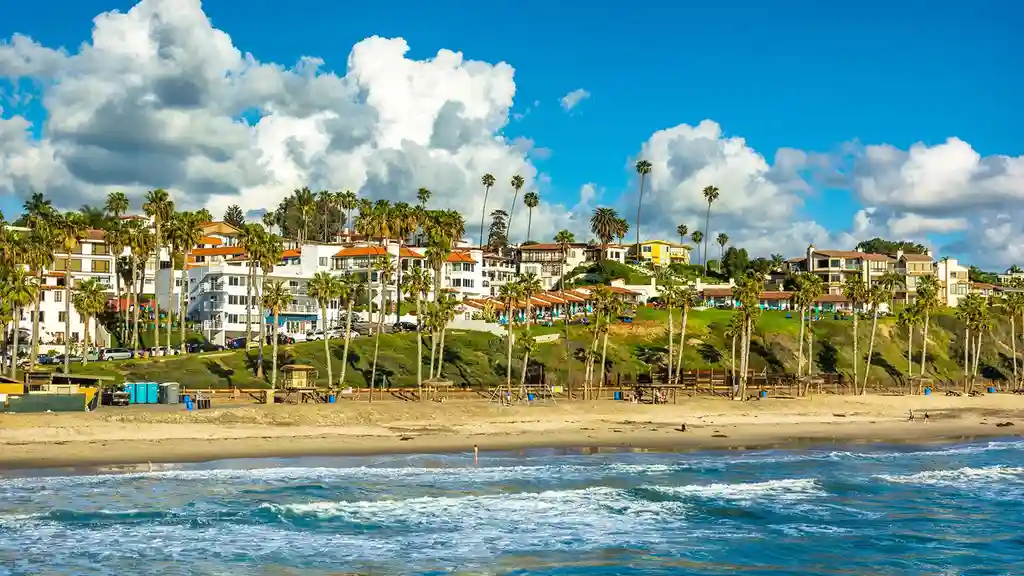
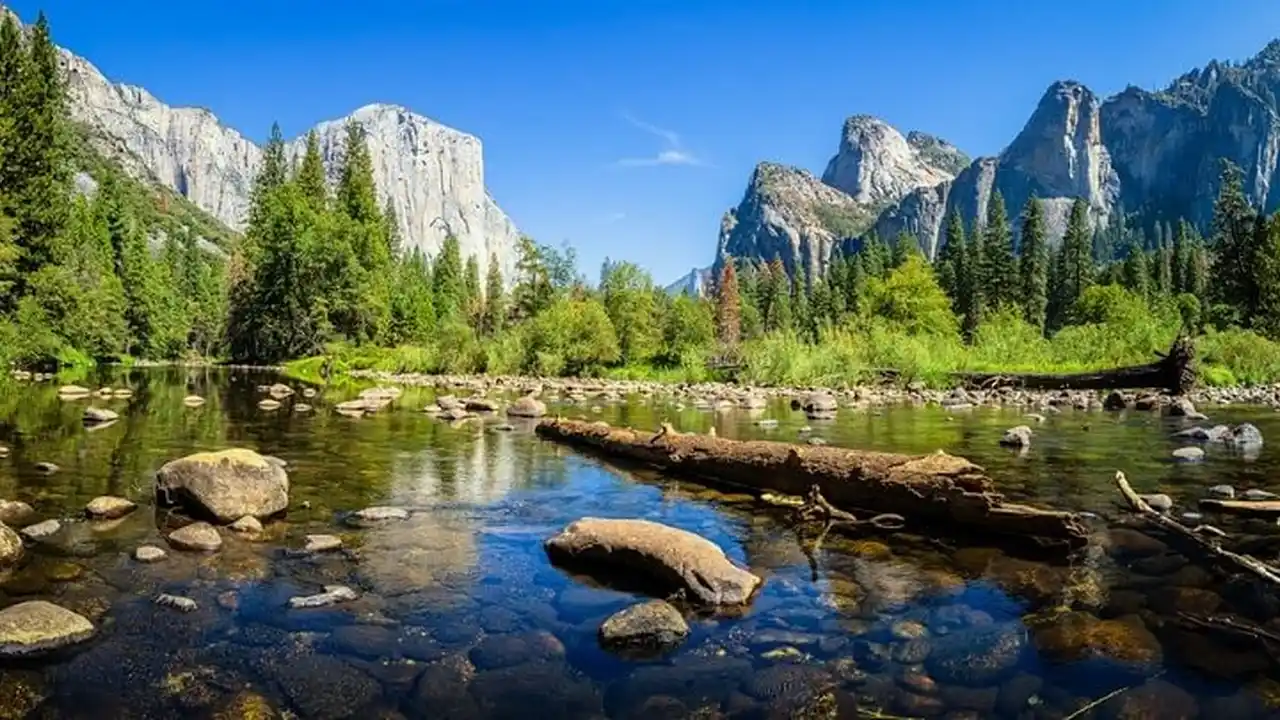
California's coastline, a breathtaking tapestry woven from rugged cliffs, sandy beaches, and vibrant marine ecosystems, stretches for over 840 miles. From the towering redwood forests of the north to the sun-drenched shores of Southern California, this diverse landscape offers a wealth of natural wonders waiting to be explored. But what makes this coastline so special? Let's delve into the geological forces, the unique climate, and the incredible biodiversity that shape this iconic region.
The California coastline is a product of millions of years of geological activity. The collision of the Pacific and North American tectonic plates has created a landscape of dramatic contrasts, from the towering Sierra Nevada mountains that plunge into the Pacific Ocean to the rolling hills of the Central Coast. This constant geological activity also leads to earthquakes, shaping and reshaping the coastline over time.
The climate along the California coast is as varied as its landscape. The cool, moist air from the Pacific Ocean creates a Mediterranean climate characterized by mild, wet winters and warm, dry summers. This climate supports a diverse range of plant and animal life, from the iconic redwood forests to the vibrant tide pools teeming with marine creatures.
Discovering the Diverse Ecosystems of the California Coast
The California coastline is home to a remarkable array of ecosystems, each with its own unique characteristics and inhabitants. From the kelp forests that provide shelter and food for countless marine animals to the sandy beaches that serve as nesting grounds for seabirds, these ecosystems are interconnected and vital to the health of the entire coastline.
Exploring the Enchanting Kelp Forests of California
Kelp forests, underwater forests of giant kelp, are among the most productive and diverse ecosystems on Earth. These forests provide habitat for a wide variety of marine animals, including sea otters, seals, and a countless array of fish and invertebrates. The kelp itself is a remarkable organism, growing up to two feet per day and providing a vital food source for many marine animals.
Diving or snorkeling in a kelp forest is an unforgettable experience. The sunlight filtering through the canopy creates an ethereal glow, and the abundance of marine life is truly awe-inspiring. You might spot a playful sea otter weaving through the kelp, a colorful nudibranch crawling along the rocks, or a school of fish darting through the water.
Marveling at the Wonders of California's Tide Pools
Tide pools, small pools of water left behind when the tide recedes, are miniature ecosystems teeming with life. These pools are home to a variety of invertebrates, including starfish, sea urchins, and anemones, as well as small fish and crustaceans. Tide pooling is a great way to get up close and personal with the marine life of the California coast.
When exploring tide pools, it's important to be respectful of the delicate ecosystem. Avoid touching or disturbing the animals, and be careful not to step on anything. With a little patience and observation, you can discover a hidden world of fascinating creatures.
Witnessing the Majesty of California's Coastal Wetlands
Coastal wetlands, such as marshes and estuaries, are vital habitats for a variety of birds, fish, and other wildlife. These wetlands provide important breeding and feeding grounds, as well as acting as natural filters that help to keep the water clean. Many coastal wetlands are also popular destinations for birdwatching and hiking.
The San Francisco Bay Area is home to some of the largest and most important coastal wetlands in California. These wetlands provide habitat for millions of migratory birds each year, and they are also home to a variety of endangered species. Efforts are underway to restore and protect these vital ecosystems.
California Coastal Wildlife Spotting Tips and Locations
The California coastline is a haven for wildlife enthusiasts. From majestic whales migrating along the coast to playful sea otters frolicking in the kelp forests, there's always something to see. Here are some tips for spotting wildlife along the California coast, along with some of the best locations to visit.
Whale Watching Adventures Along the California Coast
Gray whales migrate along the California coast twice a year, making it one of the best places in the world to see these magnificent creatures. The whales migrate south from their feeding grounds in the Arctic to their breeding grounds in Baja California in the winter, and they migrate north again in the spring. Whale watching tours are available from many coastal towns, and they offer a great opportunity to see whales up close.
Some of the best locations for whale watching in California include Monterey Bay, Santa Barbara, and Point Reyes National Seashore. These locations offer stunning views of the coastline and a high probability of seeing whales. Don't forget your binoculars and a camera!
Observing the Playful Sea Otters of Monterey Bay
Sea otters are one of the most charismatic animals of the California coast. These playful mammals are known for their endearing habits, such as floating on their backs and using rocks to crack open shellfish. Sea otters are a keystone species in the kelp forest ecosystem, helping to keep the sea urchin population in check and preventing the kelp forests from being overgrazed.
Monterey Bay is one of the best places to see sea otters in California. They can often be spotted in the kelp forests near the Monterey Bay Aquarium and along the coast of Pacific Grove. Look for them floating on their backs, grooming their fur, or foraging for food.
Birdwatching Hotspots Along the California Coast
The California coast is a birdwatcher's paradise. From seabirds like pelicans and gulls to migratory shorebirds and raptors, there's a wide variety of birds to see. Many coastal wetlands and estuaries are important stopover points for migratory birds, making them excellent locations for birdwatching.
Some of the best birdwatching locations along the California coast include Point Reyes National Seashore, Elkhorn Slough National Estuarine Research Reserve, and Morro Bay State Park. These locations offer a variety of habitats and a high probability of seeing a diverse range of birds.
Protecting California's Precious Coastal Resources
The California coastline is a valuable resource that needs to be protected for future generations. Pollution, climate change, and habitat destruction are all threats to the health of the coastal ecosystem. There are many things that individuals and organizations can do to help protect the California coast, from reducing their carbon footprint to supporting conservation efforts.
The Impact of Climate Change on California's Coastline
Climate change is having a significant impact on the California coastline. Rising sea levels are threatening coastal communities and infrastructure, while ocean acidification is harming marine life. Changes in ocean temperature and currents are also affecting the distribution and abundance of marine species.
Reducing greenhouse gas emissions is essential to mitigating the impacts of climate change on the California coast. Individuals can reduce their carbon footprint by driving less, using public transportation, and conserving energy. Supporting policies that promote renewable energy and energy efficiency is also important.
Combating Pollution and Protecting Coastal Waters
Pollution is a major threat to the health of the California coast. Plastic pollution is a particularly serious problem, as it can harm marine animals and contaminate the food chain. Other sources of pollution include agricultural runoff, industrial discharge, and sewage.
Reducing plastic consumption is a key step in combating plastic pollution. Individuals can reduce their use of single-use plastics by bringing their own reusable bags, water bottles, and coffee cups. Supporting policies that reduce plastic waste and promote recycling is also important.
Supporting Coastal Conservation Efforts and Organizations
Many organizations are working to protect the California coast. These organizations are involved in a variety of activities, including habitat restoration, research, and education. Supporting these organizations through donations or volunteer work is a great way to help protect the California coast.
Some of the leading coastal conservation organizations in California include the California Coastal Conservancy, the Surfrider Foundation, and the Nature Conservancy. These organizations are working to protect and restore coastal habitats, promote sustainable coastal management, and educate the public about the importance of coastal conservation.
Essential Gear and Products for Exploring the California Coast
Exploring the California coastline requires the right gear to ensure a safe and enjoyable experience. From comfortable hiking shoes to waterproof jackets and binoculars, having the right equipment can make all the difference. Here are some essential gear and product recommendations for your California coastal adventures.
Recommended Hiking Shoes for Coastal Trails
Hiking along the California coast can involve a variety of terrain, from sandy beaches to rocky cliffs. A good pair of hiking shoes is essential for providing support, traction, and comfort. Look for shoes with good ankle support, a durable outsole, and waterproof or water-resistant materials.
Product Recommendation: Salomon X Ultra 4 GTX Hiking Shoes. These shoes are known for their excellent grip, stability, and waterproof protection. They are a great choice for hiking on a variety of terrain, including coastal trails.
Use Case: Hiking the Lost Coast Trail, a challenging but rewarding trek along the rugged Northern California coastline. The Salomon X Ultra 4 GTX shoes will provide the necessary support and traction to navigate the rocky terrain and keep your feet dry in wet conditions.
Product Comparison: Compared to the Merrell Moab 2 Vent Hiking Shoes, the Salomon X Ultra 4 GTX shoes offer better waterproof protection and more aggressive traction, making them a better choice for challenging coastal trails.
Detailed Information: The Salomon X Ultra 4 GTX Hiking Shoes retail for approximately $150-$170. They are available in a variety of sizes and colors. They feature a Gore-Tex waterproof membrane, a Contagrip MA outsole for excellent traction, and a padded collar and tongue for added comfort.
Waterproof Jackets for California Coastal Weather
The California coast can experience unpredictable weather, including rain, fog, and wind. A waterproof jacket is essential for staying dry and comfortable in these conditions. Look for a jacket with a waterproof and breathable membrane, a hood, and adjustable cuffs and hem.
Product Recommendation: Patagonia Torrentshell 3L Jacket. This jacket is known for its lightweight, packable design and its excellent waterproof protection. It's a great choice for hiking, kayaking, or simply exploring the coast on a rainy day.
Use Case: Kayaking in Monterey Bay. The Patagonia Torrentshell 3L Jacket will keep you dry from the spray of the waves and the occasional rain shower. Its lightweight design won't weigh you down, and it can be easily packed away when the sun comes out.
Product Comparison: Compared to the Columbia Watertight II Jacket, the Patagonia Torrentshell 3L Jacket offers better breathability and a more durable construction, making it a better choice for active outdoor pursuits.
Detailed Information: The Patagonia Torrentshell 3L Jacket retails for approximately $150-$180. It is available in a variety of sizes and colors. It features a 3-layer waterproof and breathable membrane, a two-way adjustable hood, and zippered handwarmer pockets.
Binoculars for Wildlife Viewing Along the Coast
Binoculars are essential for spotting wildlife along the California coast. Look for binoculars with good magnification, a wide field of view, and a waterproof or water-resistant design.
Product Recommendation: Vortex Diamondback HD 8x42 Binoculars. These binoculars are known for their excellent image quality, durability, and value. They are a great choice for birdwatching, whale watching, and other wildlife viewing activities.
Use Case: Whale watching from Point Reyes National Seashore. The Vortex Diamondback HD 8x42 Binoculars will allow you to see whales breaching in the distance with clarity and detail. Their wide field of view will help you track the whales as they move along the coast.
Product Comparison: Compared to the Nikon ProStaff 3S 8x42 Binoculars, the Vortex Diamondback HD 8x42 Binoculars offer better image quality and a more durable construction, making them a better choice for serious wildlife viewers.
Detailed Information: The Vortex Diamondback HD 8x42 Binoculars retail for approximately $200-$250. They feature HD optical system for excellent image clarity, a fully multi-coated lens for enhanced light transmission, and a rugged, waterproof design.
Coastal Cuisine A Culinary Journey Along the California Coast
The California coast is not only a feast for the eyes but also a culinary delight. Fresh seafood, locally grown produce, and innovative chefs combine to create a unique and unforgettable dining experience. From casual seafood shacks to Michelin-starred restaurants, there's something for every palate and budget.
Exploring the Freshest Seafood Markets Along the Coast
Visiting a local seafood market is a great way to experience the freshest catches of the day. Many coastal towns have bustling seafood markets where you can buy fresh fish, shellfish, and other seafood directly from the fishermen. These markets often offer a wide variety of seafood, from familiar favorites like salmon and tuna to more exotic species like sea urchin and abalone.
Some of the best seafood markets along the California coast include the Santa Barbara Harbor, the Monterey Fisherman's Wharf, and the San Francisco Ferry Building Marketplace. These markets offer a wide variety of fresh seafood and a lively atmosphere.
Must-Try Coastal Dishes and Local Specialties
The California coast is known for its unique and delicious cuisine. Some must-try dishes include cioppino, a hearty seafood stew; fish tacos, a California classic; and clam chowder, a creamy soup made with clams, potatoes, and bacon.
Each region of the California coast has its own local specialties. In Northern California, you might try Dungeness crab or oysters. In Southern California, you might try avocado toast or carne asada tacos. Be sure to explore the local culinary scene and try some of the region's unique dishes.
Sustainable Seafood Choices for Responsible Dining
Choosing sustainable seafood is important for protecting the health of the ocean. Sustainable seafood is seafood that is caught or farmed in a way that minimizes its impact on the environment. Look for seafood that is certified by organizations like the Marine Stewardship Council (MSC) or the Monterey Bay Aquarium Seafood Watch.
When dining at coastal restaurants, ask about the source of the seafood and choose sustainable options. Avoid eating seafood that is overfished or caught using destructive fishing practices. By making informed choices, you can help to protect the health of the California coast.
Planning Your California Coastal Road Trip A Comprehensive Guide
A road trip along the California coast is an unforgettable experience. With its stunning scenery, diverse ecosystems, and charming coastal towns, the California coast offers something for everyone. Here's a comprehensive guide to planning your California coastal road trip, including tips on itinerary planning, transportation, and accommodation.
Creating the Perfect California Coastal Road Trip Itinerary
The first step in planning your California coastal road trip is to create an itinerary. Decide how much time you have and what you want to see and do. The California coast is vast, so it's important to prioritize your interests. Do you want to focus on hiking, wildlife viewing, surfing, or exploring coastal towns?
Consider starting your road trip in either Northern or Southern California and driving along Highway 1, the scenic coastal highway. Some popular stops along the way include San Francisco, Monterey, Big Sur, Santa Barbara, and Los Angeles. Be sure to allow plenty of time for exploring each destination and enjoying the scenery.
Choosing the Right Transportation for Your Coastal Adventure
The best way to explore the California coast is by car. Having your own car gives you the flexibility to stop wherever you want and explore at your own pace. If you don't have your own car, you can rent one at any major airport or city.
Consider renting a convertible for the ultimate California road trip experience. A convertible allows you to soak up the sun and enjoy the fresh ocean air. Be sure to check the weather forecast before you go and pack accordingly.
Finding the Best Accommodation Options Along the California Coast
The California coast offers a wide variety of accommodation options, from budget-friendly motels to luxurious resorts. Consider your budget and preferences when choosing your accommodation. Do you prefer staying in a quaint bed and breakfast, a modern hotel, or a secluded campground?
Book your accommodation in advance, especially during peak season. Popular coastal towns can fill up quickly, so it's important to secure your accommodation early. Consider staying in smaller towns or less touristy areas to save money and avoid the crowds.
:max_bytes(150000):strip_icc()/277019-baked-pork-chops-with-cream-of-mushroom-soup-DDMFS-beauty-4x3-BG-7505-5762b731cf30447d9cbbbbbf387beafa.jpg)