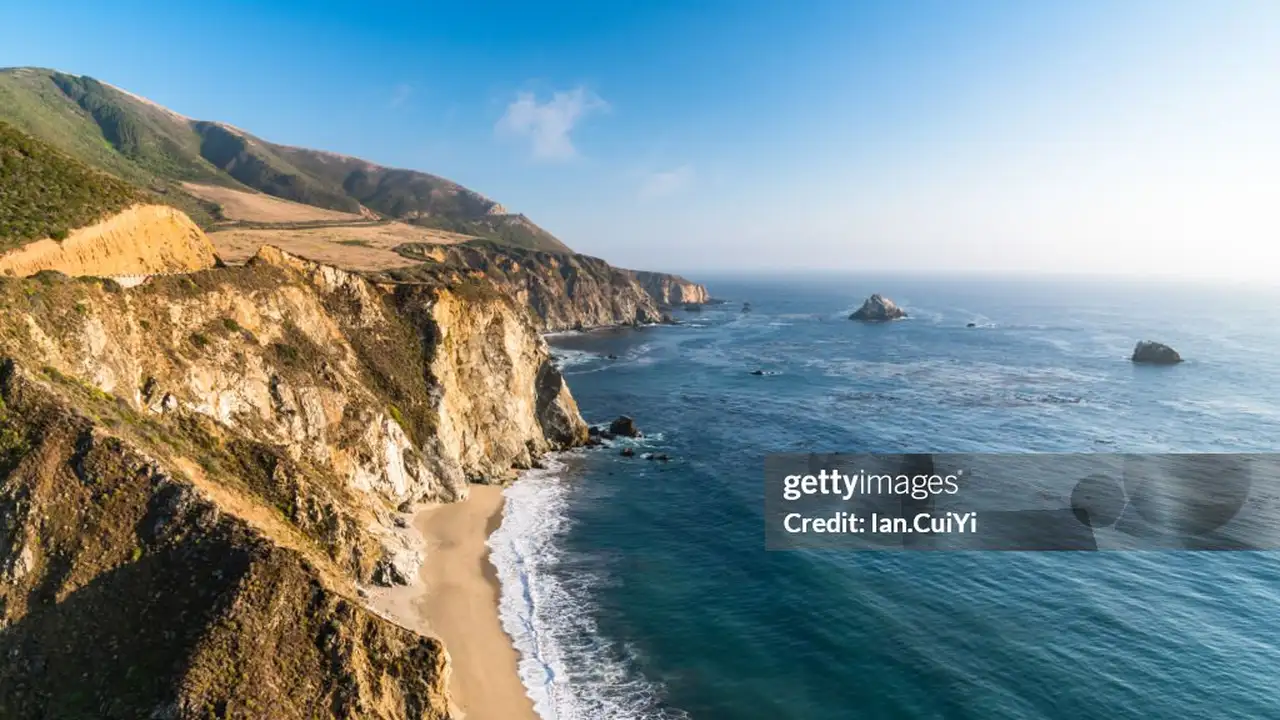
Monterey Bay_ A Marine Sanctuary to Explore
Exploring California's Diverse Ecosystems An Introduction
California, a land of unparalleled beauty and ecological diversity, boasts a stunning array of ecosystems. From towering redwood forests to arid deserts, from the rugged coastline to the snow-capped Sierra Nevada mountains, the Golden State is a haven for unique flora and fauna. Understanding and appreciating these ecosystems is crucial for their preservation and for fostering a sustainable relationship with the natural world. This article delves into one such ecosystem, building upon previous explorations and offering a deeper dive into its intricacies.
Delving Deep into a Specific California Ecosystem A Review
As we continue our journey through California's diverse landscapes, it's important to occasionally pause and reflect on what we've learned. We've touched upon various ecosystems, from the marine sanctuary of Monterey Bay to… (mention previous articles, if applicable, to provide context and continuity). But what have we truly grasped about the interconnectedness of these environments? How can we apply this knowledge to our daily lives and contribute to their conservation?
The Importance of Ecosystem Conservation in California Why It Matters
The conservation of California's ecosystems is not merely an environmental issue; it's a matter of economic stability, public health, and overall quality of life. These ecosystems provide essential services such as clean air and water, pollination, flood control, and carbon sequestration. They also support a thriving tourism industry and countless recreational opportunities. Protecting these natural treasures ensures a sustainable future for generations to come.
Unveiling the Wonders of Coastal Sage Scrub A Unique California Habitat
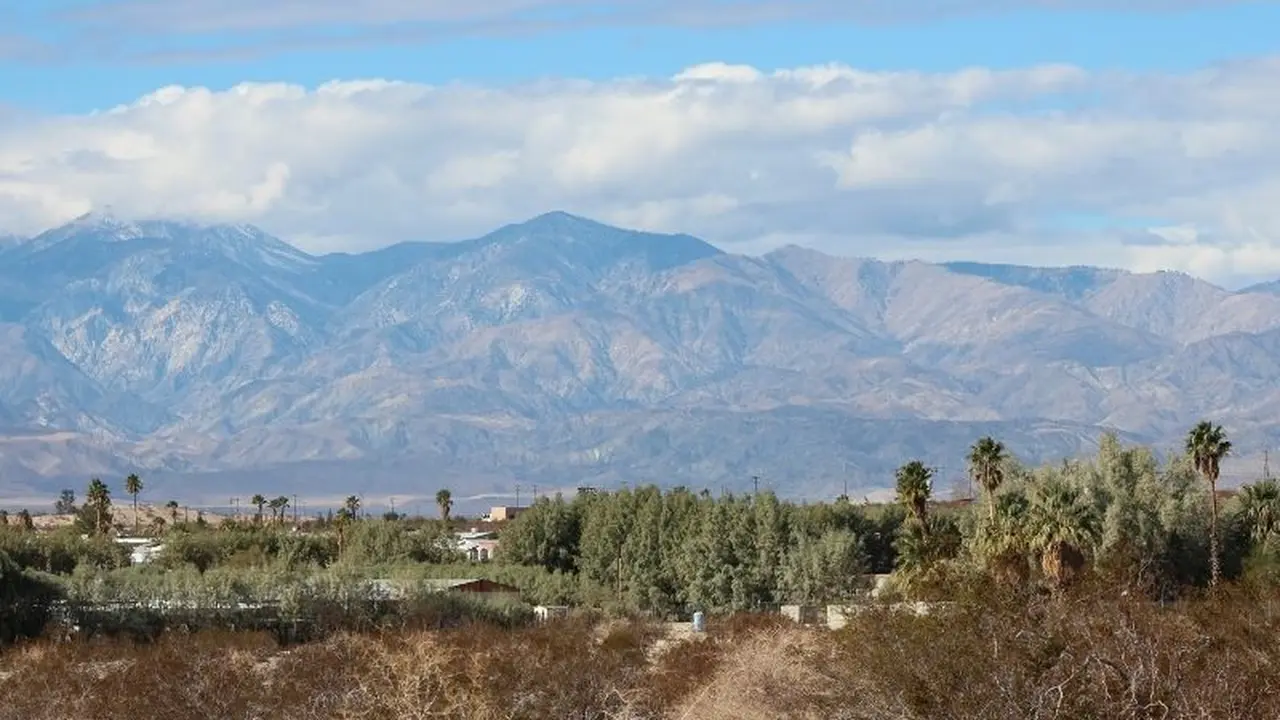
Today, we turn our attention to another fascinating California ecosystem: the coastal sage scrub. This habitat, characterized by its low-growing, aromatic shrubs, is found along the coast from Baja California to the San Francisco Bay Area. Despite its unassuming appearance, the coastal sage scrub is a biodiversity hotspot, supporting a wide variety of plant and animal life. This ecosystem faces numerous threats, including urbanization, agriculture, and invasive species, making its conservation a critical priority.
Characteristics of Coastal Sage Scrub Plants and Adaptations
The plants of the coastal sage scrub are uniquely adapted to the harsh conditions of the Mediterranean climate, characterized by hot, dry summers and mild, wet winters. Many species are drought-tolerant, with small, leathery leaves that reduce water loss. Others have deep root systems that allow them to access groundwater. The aromatic oils produced by these plants serve as a defense mechanism against herbivores and also contribute to the characteristic scent of the coastal sage scrub.
Animals of the Coastal Sage Scrub A Diverse Community
The coastal sage scrub provides habitat for a diverse array of animals, including birds, reptiles, mammals, and insects. The California gnatcatcher, a small, blue-gray bird, is a threatened species that is highly dependent on this habitat. Other notable residents include the California ground squirrel, the western fence lizard, and various species of butterflies and bees. The interconnectedness of these species highlights the importance of maintaining the integrity of the coastal sage scrub ecosystem.
Threats to Coastal Sage Scrub Habitat Loss and Degradation
The coastal sage scrub faces numerous threats, primarily from human activities. Urbanization and agriculture have resulted in significant habitat loss and fragmentation. Invasive species, such as non-native grasses, can outcompete native plants and alter the structure of the ecosystem. Climate change is also a growing concern, as rising temperatures and altered precipitation patterns can exacerbate existing stressors.
Conservation Efforts Protecting Coastal Sage Scrub
Despite the challenges, there are numerous ongoing conservation efforts aimed at protecting the coastal sage scrub. These efforts include habitat restoration, invasive species control, and the establishment of protected areas. Land trusts and conservation organizations play a vital role in acquiring and managing coastal sage scrub habitat. Citizen science initiatives also contribute to monitoring and understanding the health of this ecosystem.
Products for Exploring and Appreciating Coastal Sage Scrub
To fully appreciate the beauty and ecological significance of the coastal sage scrub, consider investing in the following products:
Binoculars for Birdwatching
Exploring the coastal sage scrub provides ample opportunities for birdwatching. A good pair of binoculars can enhance your experience and allow you to identify the diverse bird species that call this habitat home.
Product Recommendation: Vortex Optics Diamondback HD 8x42 Binoculars
Use Cases: Birdwatching, wildlife observation, general nature viewing.
Product Comparison: Compared to other binoculars in its price range, the Vortex Diamondback HD offers superior image quality, durability, and comfort. It features fully multi-coated lenses for enhanced light transmission and a rugged, waterproof construction.
Detailed Information:
- Magnification: 8x
- Objective Lens Diameter: 42mm
- Field of View: 420 feet at 1000 yards
- Close Focus: 5 feet
- Weight: 24.6 ounces
- Waterproof and Fogproof
- ArmorTek coating for lens protection
Pricing: Approximately $230 - $250 (check online retailers for current pricing).
Field Guides for Plant and Animal Identification
A comprehensive field guide is essential for identifying the plants and animals you encounter in the coastal sage scrub. Look for guides that are specific to California or the southwestern United States.
Product Recommendation: The Laws Field Guide to the Sierra Nevada
Use Cases: Plant and animal identification, understanding natural history, enhancing outdoor experiences.
Product Comparison: This field guide is highly regarded for its detailed illustrations, comprehensive coverage, and user-friendly format. It includes information on plants, animals, geology, and weather patterns.
Detailed Information:
- Author: John Muir Laws
- Publisher: Heyday
- Format: Paperback
- Illustrations: Hand-drawn illustrations
- Coverage: Plants, animals, geology, and weather of the Sierra Nevada
Pricing: Approximately $35 - $40 (check online retailers for current pricing).
Hiking Boots for Comfortable Exploration
Exploring the coastal sage scrub often involves hiking on uneven terrain. A sturdy and comfortable pair of hiking boots is essential for protecting your feet and ankles.
Product Recommendation: Salomon X Ultra 4 GTX Hiking Shoes
Use Cases: Hiking, backpacking, trail running.
Product Comparison: The Salomon X Ultra 4 GTX is known for its excellent traction, stability, and waterproof protection. It features a Gore-Tex membrane to keep your feet dry and a Contagrip outsole for superior grip on various surfaces.
Detailed Information:
- Waterproof: Gore-Tex membrane
- Outsole: Contagrip MA
- Midsole: EnergyCell
- Chassis: ADV-C Chassis
- Weight: Approximately 1 pound 12 ounces per pair
Pricing: Approximately $140 - $160 (check online retailers for current pricing).
Sunscreen and Insect Repellent for Protection
Protecting yourself from the sun and insects is crucial when spending time outdoors. Choose a sunscreen with a high SPF and an insect repellent that is effective against mosquitoes and ticks.
Product Recommendation: Badger Balm SPF 30 Sunscreen
Use Cases: Sun protection for outdoor activities.
Product Comparison: Badger Balm sunscreen is a natural and reef-safe option that is free of harsh chemicals. It provides broad-spectrum protection and is water-resistant.
Detailed Information:
- SPF: 30
- Ingredients: Zinc Oxide, Sunflower Oil, Beeswax, Vitamin E
- Reef-safe
- Water-resistant
Pricing: Approximately $15 - $20 (check online retailers for current pricing).
Product Recommendation: Sawyer Products Picaridin Insect Repellent
Use Cases: Insect repellent for outdoor activities.
Product Comparison: Sawyer Picaridin insect repellent is a DEET-free alternative that is effective against mosquitoes, ticks, and other biting insects. It is also safe for use on clothing and gear.
Detailed Information:
- Active Ingredient: Picaridin
- DEET-free
- Effective against mosquitoes, ticks, and other biting insects
- Safe for use on clothing and gear
Pricing: Approximately $10 - $15 (check online retailers for current pricing).
The Future of Coastal Sage Scrub Conservation Challenges and Opportunities
The future of the coastal sage scrub depends on our ability to address the challenges it faces and capitalize on opportunities for conservation. Continued efforts to protect and restore habitat, control invasive species, and mitigate the impacts of climate change are essential. Engaging local communities and fostering a sense of stewardship are also crucial for long-term success. By working together, we can ensure that this unique ecosystem thrives for generations to come.
Citizen Science and Coastal Sage Scrub Getting Involved
You can actively contribute to the conservation of the coastal sage scrub through citizen science initiatives. Many organizations offer opportunities to participate in monitoring projects, habitat restoration activities, and educational outreach programs. By volunteering your time and skills, you can make a tangible difference in the health and well-being of this valuable ecosystem.
Education and Awareness Raising Awareness about Coastal Sage Scrub
Education and awareness are key to fostering a deeper appreciation for the coastal sage scrub and inspiring action for its conservation. Sharing your knowledge with others, supporting environmental education programs, and advocating for responsible land use policies can all contribute to raising awareness and promoting stewardship.
Sustainable Practices Minimizing Your Impact on Coastal Sage Scrub
Even small changes in your daily habits can help minimize your impact on the coastal sage scrub. Choose native plants for your garden, reduce your water consumption, and avoid using pesticides and herbicides. When visiting coastal sage scrub areas, stay on designated trails, avoid disturbing wildlife, and pack out all trash. By adopting sustainable practices, you can help protect this fragile ecosystem.
Conclusion Embracing the Beauty and Importance of Coastal Sage Scrub
The coastal sage scrub, a seemingly unassuming landscape, holds a wealth of biodiversity and ecological significance. By understanding its unique characteristics, appreciating its value, and actively participating in its conservation, we can ensure that this valuable ecosystem continues to thrive and inspire for generations to come. Let us all be stewards of the coastal sage scrub, protecting its beauty and ensuring its future.
Further Exploration Resources for Learning More
To delve deeper into the world of the coastal sage scrub, consider exploring the following resources:
- California Department of Fish and Wildlife: Provides information on coastal sage scrub conservation efforts and regulations.
- Local land trusts and conservation organizations: Offer opportunities to volunteer, donate, and learn more about coastal sage scrub conservation.
- University research centers: Conduct research on coastal sage scrub ecology and management.
- Books and articles: Explore the scientific literature and popular publications to deepen your understanding of the coastal sage scrub.
Coastal Sage Scrub Photography Capturing the Beauty
Photography is a powerful tool for capturing the beauty and showcasing the importance of the coastal sage scrub. Whether you're a professional photographer or an amateur enthusiast, consider documenting the unique landscapes, plants, and animals of this ecosystem. Share your photos with others to raise awareness and inspire appreciation.
The Economic Value of Coastal Sage Scrub Ecosystem Services
The coastal sage scrub provides numerous ecosystem services that contribute to the economic well-being of California. These services include water filtration, erosion control, carbon sequestration, and pollination. Quantifying the economic value of these services can help to justify conservation efforts and promote sustainable land use practices.
The Role of Fire in Coastal Sage Scrub Ecology
Fire is a natural and important component of the coastal sage scrub ecosystem. Historically, periodic fires helped to maintain the structure and composition of the vegetation. However, human activities, such as fire suppression and the introduction of invasive grasses, have altered fire regimes and increased the risk of large, destructive wildfires. Understanding the role of fire in coastal sage scrub ecology is crucial for developing effective fire management strategies.
Climate Change Impacts on Coastal Sage Scrub Adaptation Strategies
Climate change is posing significant challenges to the coastal sage scrub, including rising temperatures, altered precipitation patterns, and increased frequency of extreme weather events. These changes can lead to habitat loss, species extinctions, and increased vulnerability to wildfires. Developing adaptation strategies, such as restoring degraded habitat and promoting drought-tolerant species, is essential for mitigating the impacts of climate change on the coastal sage scrub.
The Interconnectedness of Coastal Sage Scrub with Other Ecosystems
The coastal sage scrub is not an isolated ecosystem; it is interconnected with other ecosystems, such as chaparral, grasslands, and oak woodlands. These ecosystems share many of the same species and ecological processes. Understanding the interconnectedness of these ecosystems is crucial for developing comprehensive conservation strategies that address the needs of the entire landscape.
The Cultural Significance of Coastal Sage Scrub Indigenous Perspectives
The coastal sage scrub has been an important resource for indigenous peoples for thousands of years. Native Americans have traditionally used the plants and animals of this ecosystem for food, medicine, and shelter. Understanding the cultural significance of the coastal sage scrub is essential for promoting respectful and collaborative conservation efforts that incorporate indigenous knowledge and perspectives.
The Future of Research on Coastal Sage Scrub Unanswered Questions
Despite decades of research, there are still many unanswered questions about the coastal sage scrub. Further research is needed to understand the complex interactions between species, the impacts of climate change, and the effectiveness of different conservation strategies. Continued investment in research is essential for informing future management decisions and ensuring the long-term health of this valuable ecosystem.
:max_bytes(150000):strip_icc()/277019-baked-pork-chops-with-cream-of-mushroom-soup-DDMFS-beauty-4x3-BG-7505-5762b731cf30447d9cbbbbbf387beafa.jpg)