Desert Towns_ Exploring California's Desert Communities
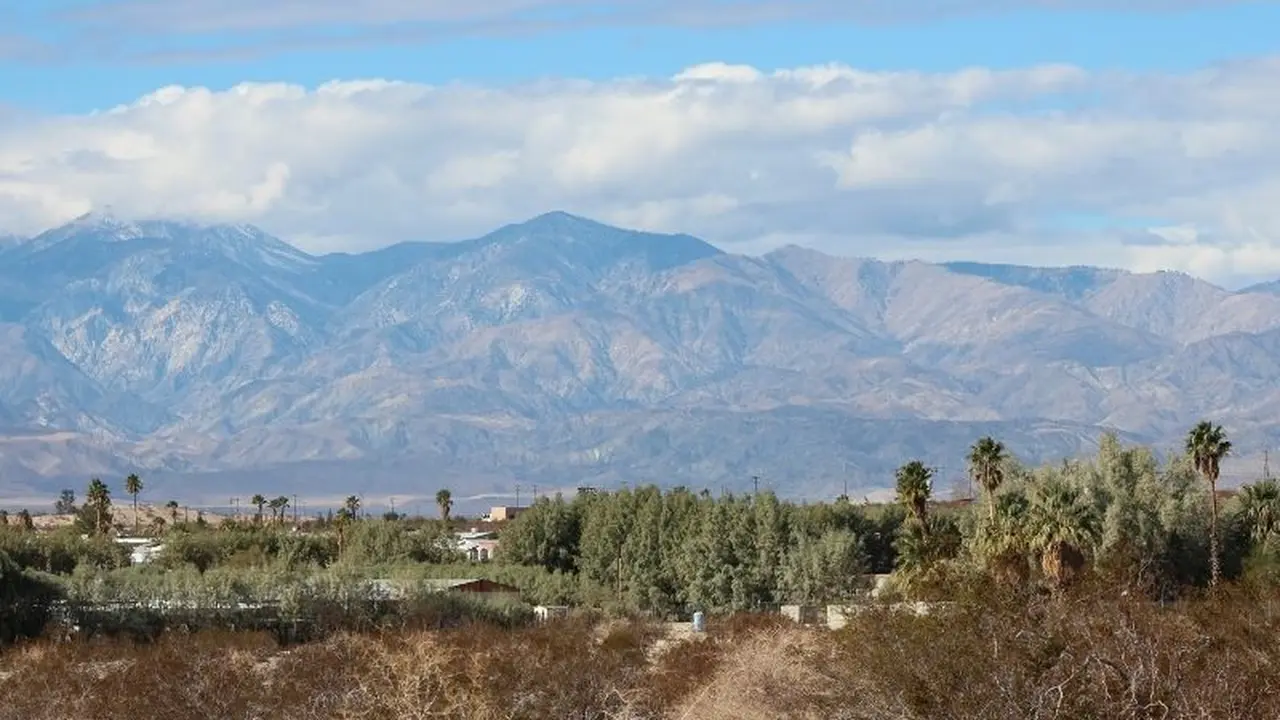
Understanding the Harsh Realities of California Deserts
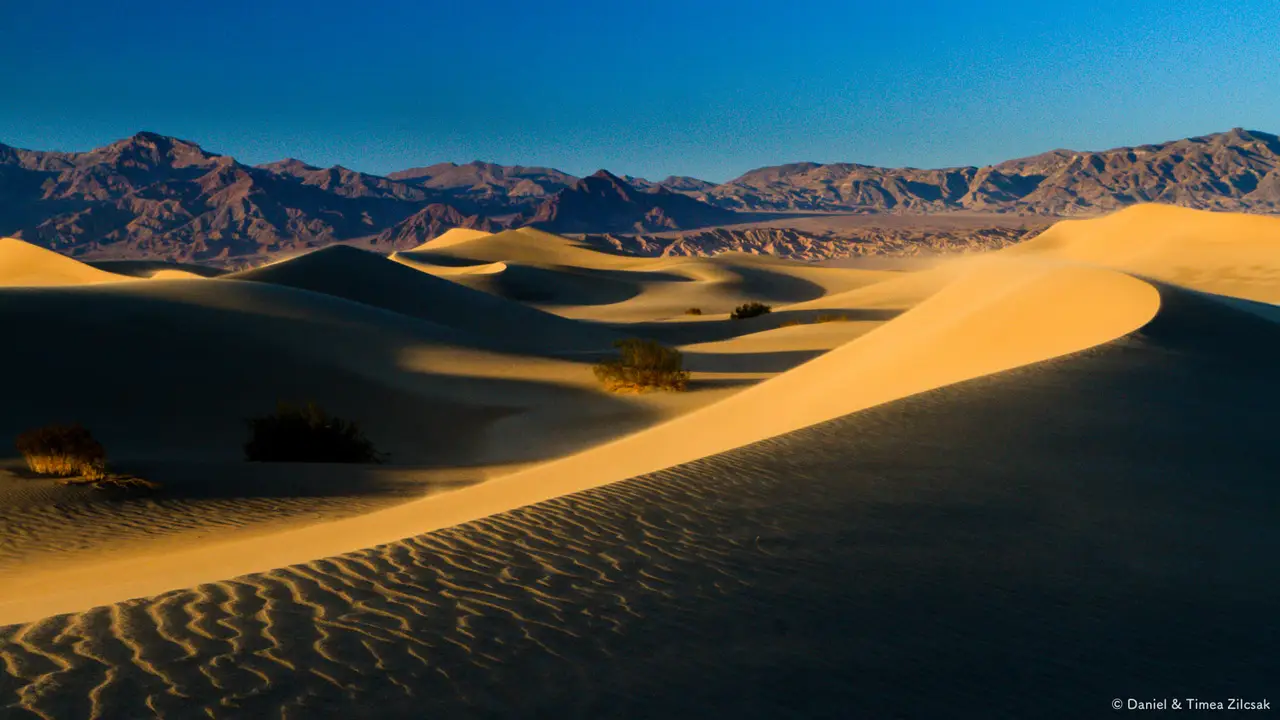
California's deserts, a land of stark beauty and unforgiving conditions, demand respect and preparation. Before venturing into these arid landscapes, it's crucial to understand the challenges they present. From scorching daytime temperatures to surprisingly cold nights, the desert environment can quickly turn dangerous if you're not adequately equipped.
Dehydration is a constant threat. The dry air wicks moisture away from your body, and the lack of readily available water sources makes it imperative to carry sufficient supplies. Heatstroke is another serious concern, especially during the summer months. The intense sun can quickly overwhelm your body's ability to regulate its temperature.
Navigating the desert can also be tricky. The vast, open spaces and lack of landmarks can lead to disorientation, even with a map and compass. And let's not forget the potential for flash floods, which can occur even when it's not raining in the immediate area.
Essential Desert Survival Gear A Comprehensive Checklist
To mitigate these risks, a well-stocked survival kit is essential. Here's a breakdown of the key items you should include:
Water and Hydration Supplies
Water is life in the desert. Aim to carry at least one gallon (3.8 liters) of water per person per day, and even more if you plan on strenuous activity. Consider these options:
- Water Bottles/Hydration Reservoir: A durable, reusable water bottle or a hydration reservoir (like a CamelBak) is crucial for carrying and accessing water easily.
- Water Filter/Purifier: A portable water filter or purification tablets can be a lifesaver if you run out of water or find a questionable water source. Look for filters that remove bacteria, protozoa, and viruses. Options include the Sawyer Squeeze, LifeStraw, and SteriPen.
- Electrolyte Tablets/Powder: Replenishing electrolytes lost through sweat is vital for preventing dehydration and muscle cramps. Add electrolyte tablets or powder to your water. Brands like Nuun, Liquid I.V., and LMNT are popular choices.
- Collapsible Water Container: A collapsible water container (like a Platypus Platy Bottle) is useful for storing extra water or collecting water from a source.
Navigation Tools for Desert Exploration
Getting lost in the desert can be a deadly mistake. Invest in reliable navigation tools and learn how to use them:
- Map and Compass: A topographic map of the area and a reliable compass are essential for navigating in the desert. Learn how to read a map and use a compass to determine your bearing. Practice before you go!
- GPS Device/Smartphone with GPS: A GPS device or a smartphone with GPS capabilities can be helpful for tracking your location and navigating to specific points. However, be aware that battery life can be an issue, and satellite reception may be limited in some areas. Consider bringing a power bank.
- Personal Locator Beacon (PLB): In case of a serious emergency, a PLB can transmit your location to search and rescue authorities. These devices are a significant investment but can be life-saving. Consider brands like ACR and McMurdo.
Sun Protection Gear
The desert sun is relentless. Protect yourself from its harmful rays with these items:
- Sunscreen: Use a broad-spectrum sunscreen with an SPF of 30 or higher. Apply it liberally and reapply every two hours, or more often if you're sweating.
- Sunglasses: Protect your eyes from the glare with sunglasses that block 100% of UV rays.
- Hat: A wide-brimmed hat will shield your face, neck, and ears from the sun.
- Light-Colored, Loose-Fitting Clothing: Light-colored clothing reflects sunlight, while loose-fitting clothing allows for better ventilation. Long sleeves and pants can also provide protection from the sun and insects. Consider clothing made from moisture-wicking fabrics.
Shelter and Protection from the Elements
Even in the desert, you need protection from the elements, including the sun, wind, and potential rain:
- Emergency Blanket/Bivy Sack: An emergency blanket or bivy sack can provide warmth and shelter in case you get stranded or caught in a sudden storm. Look for reflective materials that can help retain body heat.
- Lightweight Tarp: A lightweight tarp can be used to create a makeshift shelter from the sun or rain.
- Bandana/Buff: A bandana or buff can be used to protect your face from the sun, wind, and dust. It can also be soaked in water and used as a cooling device.
First Aid and Emergency Supplies
A well-stocked first-aid kit is essential for treating minor injuries and illnesses:
- First-Aid Kit: Include bandages, antiseptic wipes, pain relievers, blister treatment, insect repellent, sunscreen, and any personal medications. Consider taking a wilderness first-aid course to learn how to treat common injuries and illnesses in the backcountry.
- Knife/Multi-Tool: A knife or multi-tool is useful for a variety of tasks, from cutting rope to repairing gear.
- Fire Starter: A fire starter (like a lighter, matches, or a fire steel) can be essential for warmth, cooking, and signaling for help.
- Headlamp/Flashlight: A headlamp or flashlight is essential for navigating in the dark.
- Signaling Mirror: A signaling mirror can be used to reflect sunlight and attract the attention of rescuers.
- Whistle: A whistle can be used to signal for help if you get lost or injured.
Food and Sustenance
Pack non-perishable, high-energy foods to keep you going:
- High-Energy Snacks: Pack snacks like energy bars, trail mix, nuts, and dried fruit to provide a quick source of energy.
- Non-Perishable Food: Bring non-perishable foods like canned goods, jerky, or dehydrated meals that can be easily prepared.
Product Recommendations and Detailed Information
Let's dive deeper into specific product recommendations and their use cases, along with pricing information (prices are approximate and subject to change):
Hydration Reservoir Comparison CamelBak vs Osprey
Both CamelBak and Osprey are leading brands in hydration reservoirs, offering durable and reliable options. Here's a comparison:
* CamelBak Crux: Known for its high flow rate and easy-to-clean design. The Crux reservoir features a HydroGuard antimicrobial technology to inhibit the growth of bacteria. Use Case: Ideal for hiking, biking, and other activities where quick hydration is essential. Pricing: $30-$45 * Osprey Hydraulics: Features a baffled design to prevent sloshing and a magnetic sternum strap attachment for easy access. The Hydraulics reservoir also has a wide mouth for easy filling and cleaning. Use Case: Well-suited for backpacking and other activities where stability and convenience are important. Pricing: $35-$50Detailed Information: Both reservoirs are made from BPA-free materials and are available in various sizes. Consider the size of your pack and the amount of water you need when choosing a reservoir.
Water Filter Showdown Sawyer Squeeze vs LifeStraw
When it comes to portable water filters, the Sawyer Squeeze and LifeStraw are two popular choices:
* Sawyer Squeeze: A lightweight and versatile filter that can be used in multiple ways, including squeezing water into a bottle, drinking directly from the source, or attaching it to a hydration reservoir. Use Case: Excellent for backpacking, hiking, and travel where weight and versatility are important. Pricing: $30-$40 * LifeStraw Personal Water Filter: A simple and affordable filter that allows you to drink directly from a water source. Use Case: A good option for emergency situations or for those who prefer a minimalist approach. Pricing: $20-$25Detailed Information: The Sawyer Squeeze has a higher flow rate and can filter more water than the LifeStraw. However, the LifeStraw is more compact and requires no squeezing. Both filters are effective at removing bacteria and protozoa, but neither removes viruses.
Personal Locator Beacon (PLB) ACR ResQLink vs McMurdo FastFind
For serious backcountry emergencies, a PLB can be a life-saver. ACR and McMurdo are two leading manufacturers:
* ACR ResQLink View: Features a digital display that shows GPS coordinates and operating instructions. It also has a self-test function to ensure it's working properly. Use Case: Suitable for a wide range of outdoor activities, including hiking, backpacking, and boating. Pricing: $300-$350 (with display) * McMurdo FastFind 220: A compact and lightweight PLB that is easy to carry. It features a multi-GNSS receiver for faster and more accurate location acquisition. Use Case: A good option for those who prioritize size and weight. Pricing: $250-$300Detailed Information: Both PLBs operate on the 406 MHz frequency and transmit your location to search and rescue authorities via satellite. They require no subscription fees. The ACR ResQLink View's display can be helpful in confirming the device is functioning correctly, while the McMurdo FastFind 220 offers a slightly more compact design.
Choosing the Right Knife A Comparison of Options
A reliable knife is an essential tool for any outdoor adventure. Here's a look at different types and some recommendations:
* Fixed Blade Knife (e.g., Ka-Bar Becker BK2): A robust and durable knife with a full tang (the blade extends through the entire handle). Use Case: Ideal for heavy-duty tasks like batoning wood, building shelter, and processing game. Pricing: $80-$120 * Folding Knife (e.g., Benchmade Bugout): A lightweight and compact knife that can be easily carried in a pocket. Use Case: Suitable for everyday carry and general-purpose tasks. Pricing: $150-$200 * Multi-Tool (e.g., Leatherman Wave Plus): A versatile tool that combines a knife with other useful implements like pliers, screwdrivers, and a saw. Use Case: A good option for those who want a variety of tools in a single package. Pricing: $100-$130Detailed Information: When choosing a knife, consider the blade material, handle material, and locking mechanism (for folding knives). A high-quality steel blade will hold its edge longer, while a comfortable handle will prevent fatigue. For fixed blade knives, ensure the sheath is durable and provides secure retention.
Understanding Sunscreen Options SPF and Ingredients
Protecting your skin from the sun is crucial in the desert. Here's a breakdown of sunscreen options:
* Broad-Spectrum Sunscreen: Protects against both UVA and UVB rays. Look for the term "broad spectrum" on the label. * SPF 30 or Higher: SPF (Sun Protection Factor) indicates how well the sunscreen protects against UVB rays. SPF 30 blocks about 97% of UVB rays, while SPF 50 blocks about 98%. * Water-Resistant/Waterproof: Provides protection even when sweating or swimming. Reapply frequently, especially after swimming or sweating. * Mineral Sunscreen (Zinc Oxide/Titanium Dioxide): A physical sunscreen that creates a barrier on the skin to reflect UV rays. Considered safer for sensitive skin and the environment. Examples include Badger Balm and Thinkbaby. Pricing: $10-$20 per tube. * Chemical Sunscreen (Avobenzone, Oxybenzone): Absorbs UV rays. Can be more irritating to sensitive skin.Detailed Information: Apply sunscreen liberally 15-30 minutes before sun exposure and reapply every two hours, or more often if swimming or sweating. Pay attention to expiration dates, as sunscreen effectiveness can decrease over time.
Expert Advice for Desert Survival Planning and Preparation
Beyond the gear, knowledge and preparation are paramount. Here's some expert advice:
Planning Your Desert Trip
Thorough planning is essential for a safe and enjoyable desert experience:
* Research the Area: Learn about the terrain, climate, and potential hazards. * Check the Weather Forecast: Be aware of extreme heat, flash flood warnings, and other weather conditions. * File a Trip Plan: Tell someone where you're going and when you expect to return. * Plan Your Route: Use maps and GPS to plan your route and identify potential water sources. * Pack Appropriately: Ensure you have all the necessary gear and supplies. * Know Your Limits: Don't overestimate your abilities.Desert Navigation Techniques
Mastering desert navigation is crucial for preventing getting lost:
* Learn to Use a Map and Compass: Practice using a map and compass before your trip. * Understand GPS Technology: Learn how to use a GPS device and download maps to your smartphone. * Pay Attention to Landmarks: Use prominent landmarks to orient yourself. * Avoid Traveling at Night: Navigation is more difficult at night. * Stay Aware of Your Surroundings: Pay attention to changes in the terrain and weather.Desert Water Conservation Strategies
Conserving water is essential for survival in the desert:
* Carry Plenty of Water: As mentioned, aim for at least one gallon per person per day. * Conserve Water: Avoid strenuous activity during the hottest part of the day. * Stay in the Shade: Seek shade whenever possible to reduce sweating. * Collect Rainwater: If possible, collect rainwater using a tarp or other container. * Know How to Find Water: Learn how to identify potential water sources, such as springs, seeps, and washes.Desert Heat Safety Precautions
Protecting yourself from the heat is paramount:
* Stay Hydrated: Drink plenty of water throughout the day. * Wear Light-Colored, Loose-Fitting Clothing: This helps reflect sunlight and allows for better ventilation. * Avoid Strenuous Activity During the Hottest Part of the Day: Rest during the hottest hours. * Seek Shade: Find shade whenever possible. * Recognize the Symptoms of Heatstroke: Be aware of the symptoms of heatstroke, such as headache, dizziness, nausea, and confusion. * Know How to Treat Heatstroke: If someone is showing signs of heatstroke, move them to a cool place, give them water, and cool them down with wet cloths or a fan. Seek medical attention immediately.Desert Wildlife Awareness and Safety
Be aware of the wildlife and take precautions to avoid encounters:
* Be Aware of Snakes: Watch where you step and avoid disturbing snakes. * Be Aware of Scorpions: Shake out your boots and clothing before putting them on. * Store Food Properly: Store food in airtight containers to prevent attracting animals. * Avoid Feeding Wildlife: Feeding wildlife can make them dependent on humans. * Give Animals Space: Observe animals from a distance and avoid approaching them.Staying Safe and Prepared in California's Deserts
Venturing into California's deserts can be an incredible experience, but it requires careful planning, proper gear, and a healthy dose of respect for the environment. By understanding the challenges and preparing accordingly, you can minimize the risks and enjoy the beauty and solitude of these unique landscapes. Remember to prioritize water, navigation, sun protection, and emergency preparedness. With the right knowledge and equipment, you can confidently explore the wonders of the California deserts.
:max_bytes(150000):strip_icc()/277019-baked-pork-chops-with-cream-of-mushroom-soup-DDMFS-beauty-4x3-BG-7505-5762b731cf30447d9cbbbbbf387beafa.jpg)