Lava Beds National Monument_ Volcanic Wonders
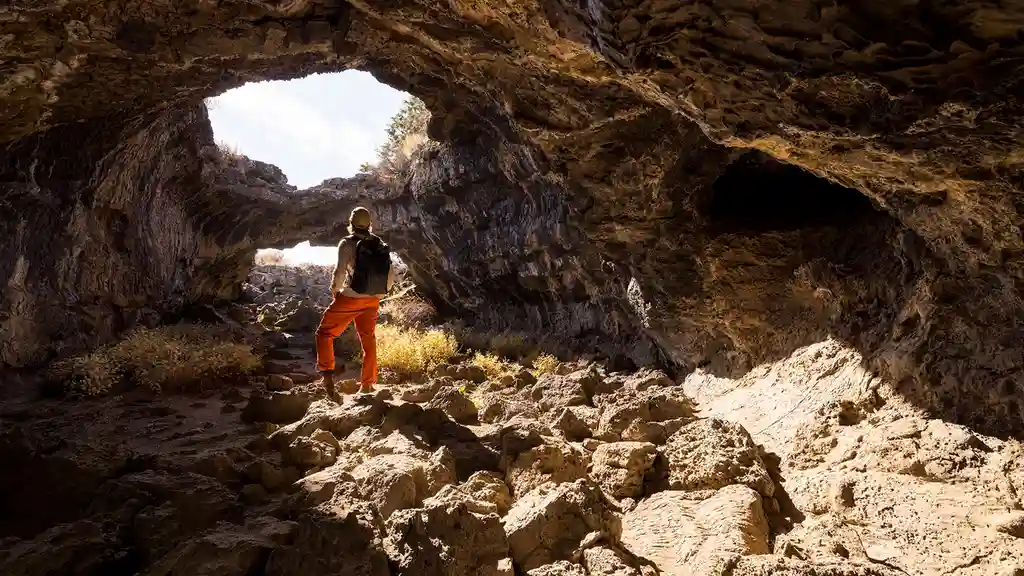
Pinnacles National Park Discover a landscape sculpted by volcanic forces and teeming with diverse life. Explore towering rock formations, talus caves, and rare wildlife in this California gem.
Pinnacles National Park A Geological Wonderland
Pinnacles National Park, a relative newcomer to the National Park system (established in 2013), offers a dramatic landscape born from volcanic activity. Unlike many parks showcasing erosion, Pinnacles highlights the results of faulting, uplift, and, of course, volcanism. The park's unique geology is a major draw, attracting hikers, climbers, and anyone interested in Earth's dynamic processes. The rock formations are the remnants of an ancient volcano that has since moved approximately 200 miles north along the San Andreas Fault. This journey has left behind towering spires, jagged cliffs, and intricate cave systems, creating a truly awe-inspiring environment.
The park is divided into two main sections: the east side, accessible via Highway 146 from Hollister, and the west side, accessible via Highway 146 from Soledad. There is no road connecting the two sides within the park, requiring a significant drive around the mountains to access both areas. Each side offers distinct hiking trails, rock climbing opportunities, and camping options. The east side is generally warmer and drier, while the west side tends to be cooler and shadier, especially in the summer months.
Hiking Trails Pinnacles National Park Exploring the Park on Foot
Pinnacles National Park is a hiker's paradise, boasting over 30 miles of trails that wind through diverse terrain. From easy strolls along the valley floor to challenging climbs to the park's high points, there's a trail for every skill level. Here are a few popular options:
- High Peaks Trail: This iconic trail is arguably the most popular in the park. It features stunning views of the park's namesake pinnacles, condor sightings (if you're lucky!), and the famous "steep and narrow" sections with handrails and stairs carved into the rock. This trail is strenuous and requires good physical fitness.
- Balconies Cave Trail: This easy-to-moderate trail leads through a talus cave formed by fallen boulders. Be sure to bring a flashlight or headlamp to navigate the dark passages. The trail offers unique perspectives on the park's geology and the chance to see bats.
- Bear Gulch Cave Trail: Similar to Balconies Cave, this trail also passes through a talus cave. However, Bear Gulch Cave is home to a colony of Townsend's big-eared bats, which are sensitive to disturbance. The cave is often closed during certain times of the year to protect the bats.
- Condor Gulch Trail: As the name suggests, this trail offers excellent opportunities to see California Condors soaring overhead. The trail climbs gradually through chaparral and oak woodlands, providing panoramic views of the surrounding landscape.
- Juniper Canyon Trail: A strenuous climb that rewards hikers with breathtaking views from the High Peaks. Connects to the High Peaks Trail for a longer loop.
Before embarking on any hike, be sure to check the park's website for trail closures, weather conditions, and safety information. Bring plenty of water, sunscreen, and a hat, especially during the summer months. Sturdy hiking shoes are also recommended, as the trails can be rocky and uneven.
California Condor Conservation Pinnacles National Park A Success Story
Pinnacles National Park plays a crucial role in the recovery of the endangered California Condor. These magnificent birds, once on the brink of extinction, are now thriving in the park thanks to intensive conservation efforts. The park provides a safe haven for condors, offering nesting sites, foraging opportunities, and protection from threats such as lead poisoning. Visitors to Pinnacles have a good chance of spotting condors soaring overhead, especially along the High Peaks Trail and Condor Gulch Trail. The condors are easily recognizable by their large size, black plumage, and distinctive red heads.
The California Condor Recovery Program is a remarkable success story, demonstrating the power of collaborative conservation efforts. The program involves captive breeding, release into the wild, and ongoing monitoring of the condor population. By reducing threats such as lead poisoning and providing safe habitat, the program has helped to bring the condor back from the brink. Pinnacles National Park is proud to be a part of this success story and to provide a home for these magnificent birds.
Rock Climbing Pinnacles National Park A Climber's Paradise
Pinnacles National Park is a popular destination for rock climbers, offering a variety of routes for all skill levels. The park's unique rock formations provide challenging and rewarding climbing experiences. The rock is primarily volcanic breccia, which can be crumbly in places, so climbers should be aware of loose rock and take appropriate precautions. Popular climbing areas include the High Peaks, the Balconies, and the Machete Ridge. Pinnacles Climbing Center is a valuable resource for climbers, offering gear rentals, guiding services, and climbing instruction.
Climbing at Pinnacles requires technical skills and experience. Beginners should consider taking a guided climbing tour or lesson before attempting to climb on their own. It is also important to check weather conditions and trail closures before heading out, as the park can experience extreme temperatures and sudden changes in weather. Always climb with a partner and use appropriate safety equipment, including helmets, harnesses, and ropes. Respect the park's regulations and minimize your impact on the environment. Leave no trace behind and pack out all trash.
Camping Pinnacles National Park Options for Overnight Stays
Pinnacles National Park offers the only campground inside the park, located on the east side. The campground has both tent and RV sites, as well as group campsites. Reservations are highly recommended, especially during peak season. The campground features amenities such as restrooms, showers, picnic tables, and fire rings. There is also a camp store where you can purchase basic supplies, such as firewood, food, and drinks. The campground is a great base for exploring the park's hiking trails and rock climbing areas.
If the campground is full, there are also several lodging options available in the nearby towns of Hollister and Soledad. These towns offer a variety of hotels, motels, and bed and breakfasts. However, be prepared for a longer drive to the park entrance each day. Camping outside of designated campgrounds within the park is prohibited.
Wildlife Viewing Pinnacles National Park Spotting the Park's Inhabitants
Pinnacles National Park is home to a diverse array of wildlife, including California Condors, bobcats, coyotes, deer, and a variety of bird species. The park's diverse habitats, ranging from chaparral and oak woodlands to grasslands and riparian areas, support a rich variety of animal life. The best times to see wildlife are early morning and late evening, when animals are most active. Be sure to bring binoculars to get a closer look at the park's inhabitants.
When viewing wildlife, it is important to maintain a safe distance and avoid disturbing the animals. Never feed wildlife, as this can alter their natural behavior and make them dependent on humans. Keep a close eye on children and pets, and be aware of potential hazards such as snakes and ticks. Report any sightings of injured or distressed animals to park rangers.
Best Time to Visit Pinnacles National Park Planning Your Trip
The best time to visit Pinnacles National Park is during the spring and fall, when temperatures are mild and wildflowers are in bloom. Summer can be extremely hot, with temperatures often exceeding 100 degrees Fahrenheit. Winter can be cool and rainy, but it can also be a good time to see wildlife. The park is open year-round, but some trails and facilities may be closed due to weather conditions or maintenance.
Before planning your trip, be sure to check the park's website for current conditions, closures, and events. Reservations are highly recommended for camping, especially during peak season. Allow at least two days to explore the park's main attractions, including the High Peaks, the Balconies Cave, and the Bear Gulch Cave. Wear appropriate clothing and footwear, and bring plenty of water, sunscreen, and a hat.
Photography Pinnacles National Park Capturing the Beauty
Pinnacles National Park offers endless opportunities for photography, from dramatic landscapes and towering rock formations to rare wildlife and colorful wildflowers. The park's unique geology and diverse ecosystems provide a stunning backdrop for capturing memorable images. The best times to photograph the park are during the golden hours of sunrise and sunset, when the light is soft and warm. Experiment with different angles and perspectives to capture the park's beauty in new and creative ways.
Consider bringing a variety of lenses, including a wide-angle lens for capturing landscapes, a telephoto lens for photographing wildlife, and a macro lens for capturing close-up details of flowers and insects. A tripod is also recommended for capturing sharp images in low light conditions. Be sure to protect your equipment from dust and moisture, especially during windy or rainy conditions. Respect the park's regulations and minimize your impact on the environment. Leave no trace behind and pack out all trash.
Pinnacles National Park Accessibility Considerations for All Visitors
Pinnacles National Park strives to be accessible to all visitors, regardless of their abilities. The park offers a variety of accessible facilities and programs, including accessible restrooms, parking spaces, and campsites. Some trails are also accessible to wheelchairs and other mobility devices. The park's visitor center provides information on accessible trails and activities, as well as assistive listening devices for ranger programs.
Visitors with disabilities should contact the park in advance to discuss their specific needs and to make arrangements for accessible accommodations. The park's staff is committed to providing a safe and enjoyable experience for all visitors. Consider contacting the park directly for the most up-to-date information regarding accessibility.
Nearby Attractions Exploring Beyond Pinnacles
While Pinnacles National Park offers plenty to see and do, there are also several other attractions located nearby that are worth exploring. These include:
- Monterey and Carmel: These charming coastal towns are located about an hour's drive from Pinnacles. They offer a variety of attractions, including the Monterey Bay Aquarium, Cannery Row, and the scenic 17-Mile Drive.
- Big Sur: This rugged stretch of coastline is located south of Monterey and Carmel. It is known for its dramatic cliffs, redwood forests, and stunning ocean views.
- San Juan Bautista State Historic Park: This park preserves a historic Spanish mission and town square. It offers a glimpse into California's past.
- Wine Country: The Paso Robles and Monterey wine regions are located within a relatively short drive, offering wine tasting and vineyard tours.
Consider extending your trip to explore these other attractions and experience the diverse beauty of California's Central Coast.
Gear Recommendations for Exploring Pinnacles National Park
To fully enjoy your experience at Pinnacles National Park, consider packing the following gear:
- Hiking boots: Sturdy hiking boots with good ankle support are essential for navigating the park's rocky trails.
- Backpack: A comfortable backpack is needed to carry water, snacks, sunscreen, and other essentials.
- Water bottle or hydration reservoir: Staying hydrated is crucial, especially during the hot summer months.
- Sunscreen: Protect your skin from the sun's harmful rays.
- Hat: A wide-brimmed hat will help to keep the sun out of your eyes and off your face.
- Sunglasses: Protect your eyes from the sun's glare.
- Flashlight or headlamp: Essential for exploring the talus caves.
- Binoculars: For wildlife viewing.
- Camera: To capture the park's stunning scenery.
- Map and compass or GPS: For navigation.
- First-aid kit: For treating minor injuries.
Specific Product Recommendations
Let's delve into some specific product recommendations to enhance your Pinnacles National Park experience:
Hiking Boots: Salomon X Ultra 4 GTX
Why: These boots offer excellent traction, stability, and waterproof protection, making them ideal for the park's varied terrain. The Gore-Tex lining ensures your feet stay dry even in wet conditions. They also provide ample cushioning for long hikes.
Use Case: Hiking the High Peaks Trail, where you'll encounter rocky terrain and potentially wet conditions.
Details: Durable construction, advanced chassis for stability, aggressive lug pattern for traction. Available at most outdoor retailers and online. Pricing typically ranges from $150-$180.
Backpack: Osprey Talon 22 (Men's) / Tempest 20 (Women's)
Why: These lightweight and comfortable backpacks are perfect for day hikes. They offer ample storage space for water, snacks, and other essentials, as well as external attachment points for trekking poles.
Use Case: Carrying essentials on any of the park's hiking trails.
Details: Lightweight construction, adjustable torso length, breathable back panel, hydration reservoir compatible. Available at most outdoor retailers and online. Pricing typically ranges from $120-$150.
Water Filter: Sawyer Squeeze Water Filter
Why: Essential for longer hikes where water sources may be limited. This lightweight and compact filter removes bacteria, protozoa, and microplastics from water, making it safe to drink.
Use Case: Filtering water from streams or springs along the trails (if available and safe to access).
Details: Lightweight and compact, easy to use, high flow rate, long lifespan. Available at most outdoor retailers and online. Pricing typically ranges from $30-$40.
Headlamp: Black Diamond Spot 400
Why: Essential for exploring the talus caves and for hiking in low light conditions. This headlamp offers a bright beam, multiple lighting modes, and a comfortable fit.
Use Case: Exploring Balconies Cave and Bear Gulch Cave.
Details: Bright beam, multiple lighting modes, waterproof, comfortable fit. Available at most outdoor retailers and online. Pricing typically ranges from $40-$50.
Product Comparison: Hiking Boots
Let's compare the Salomon X Ultra 4 GTX with two other popular hiking boots:
- Merrell Moab 2 Vent: A more affordable option, known for its comfort and breathability. However, it is not waterproof.
- Lowa Renegade GTX Mid: A higher-end option, known for its durability and support. It is waterproof and suitable for more challenging terrain.
The Salomon X Ultra 4 GTX strikes a good balance between price, performance, and features. It is a versatile boot that is suitable for a wide range of hiking conditions.
Product Comparison: Backpacks
Let's compare the Osprey Talon/Tempest with two other popular daypacks:
- REI Co-op Trail 25: A more affordable option with a larger capacity. It is a good choice for carrying heavier loads.
- Deuter Speed Lite 23: A lightweight and minimalist pack that is ideal for fast-paced hiking.
The Osprey Talon/Tempest offers a good balance between weight, comfort, and features. It is a versatile pack that is suitable for a wide range of day hikes.
Protecting Pinnacles National Park Leave No Trace Principles
When visiting Pinnacles National Park, it is important to practice Leave No Trace principles to minimize your impact on the environment. These principles include:
- Plan ahead and prepare: Know the regulations and potential hazards of the park.
- Travel and camp on durable surfaces: Stay on designated trails and campsites.
- Dispose of waste properly: Pack out everything you pack in.
- Leave what you find: Do not remove or disturb natural objects.
- Minimize campfire impacts: Use established fire rings and keep fires small.
- Respect wildlife: Observe wildlife from a distance and never feed them.
- Be considerate of other visitors: Minimize noise and respect their experience.
By following these principles, you can help to protect Pinnacles National Park for future generations.
:max_bytes(150000):strip_icc()/277019-baked-pork-chops-with-cream-of-mushroom-soup-DDMFS-beauty-4x3-BG-7505-5762b731cf30447d9cbbbbbf387beafa.jpg)