History of the California Desert_ Mining and More
Exploring the Alluring California Deserts Landscape
The California deserts, a vast and varied expanse, hold a unique allure. From the scorching sands of Death Valley to the Joshua tree-studded Mojave, these landscapes offer a stark beauty that captivates the senses. But beyond the surface, lies a rich history, a complex ecosystem, and opportunities for adventure and discovery.
Unearthing the Geological Foundations of California Deserts
To truly understand the California deserts, we must delve into their geological origins. Millions of years of tectonic activity, volcanic eruptions, and erosion have sculpted these landscapes into what they are today. The San Andreas Fault, a major player in California's geology, has significantly influenced the formation of many desert features, including mountain ranges and valleys.
The diverse rock formations, from ancient granites to colorful sedimentary layers, tell a story of shifting continents and changing climates. Understanding these geological processes provides a crucial foundation for appreciating the unique characteristics of each desert region.
Delving into the California Deserts Climate and Weather Patterns
The climate of the California deserts is characterized by extreme temperatures, low precipitation, and intense sunlight. Summers are scorching, with temperatures often exceeding 120 degrees Fahrenheit, while winters can bring freezing temperatures, especially at higher elevations. Rainfall is scarce and unpredictable, with most areas receiving less than 10 inches per year. This aridity plays a defining role in shaping the plant and animal life that can survive in these harsh environments.
The interplay of elevation, latitude, and proximity to the Pacific Ocean creates distinct microclimates within the deserts. For example, the high-altitude Mojave Desert experiences colder winters and more frequent snowfall than the lower-elevation Colorado Desert. Understanding these variations is essential for planning outdoor activities and appreciating the diversity of desert ecosystems.
Discovering Native American Heritage in the California Deserts
The California deserts have been inhabited by Native American tribes for thousands of years. These resilient people developed sophisticated strategies for surviving in this challenging environment, utilizing native plants and animals for food, shelter, and medicine. Their deep knowledge of the land and its resources allowed them to thrive in a place where others struggled.
Rock art, pottery shards, and other archaeological sites provide glimpses into the lives and cultures of these early inhabitants. Many tribes, such as the Chemehuevi, Mojave, and Cahuilla, still maintain strong connections to their ancestral lands and continue to practice traditional customs. Respecting and learning from their heritage is an integral part of understanding the California deserts.
Exploring the Unique Flora of the California Deserts
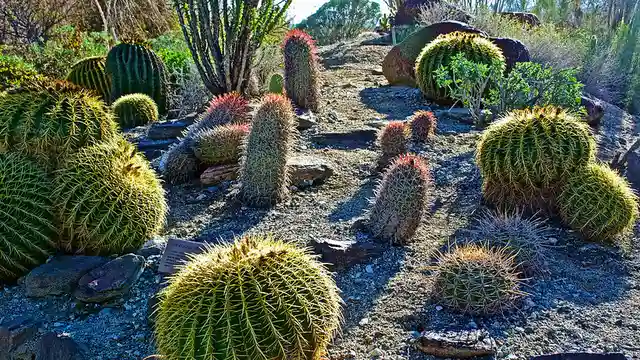
Despite the harsh conditions, the California deserts are home to a remarkable diversity of plant life. From the iconic Joshua trees of the Mojave to the towering saguaro cacti of the Colorado Desert, these plants have adapted in extraordinary ways to survive in an arid environment. Many species have developed deep root systems to access groundwater, while others have evolved thick, waxy coatings to reduce water loss.
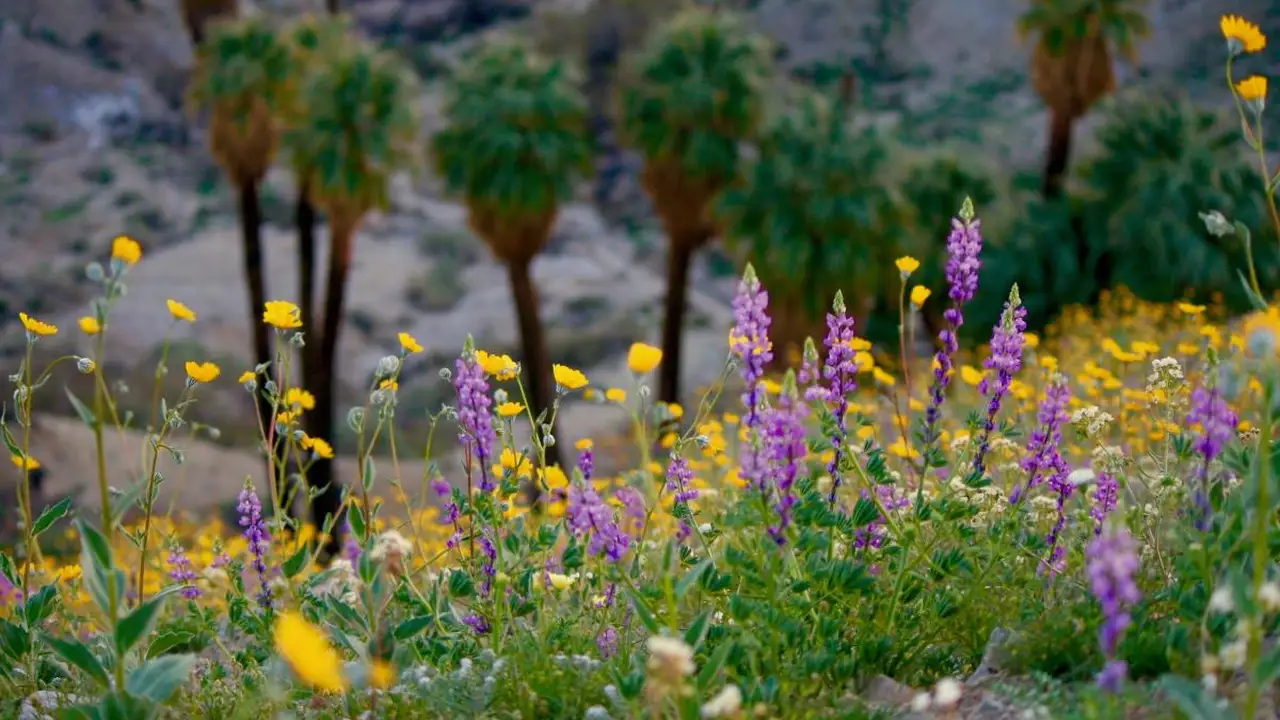
Springtime brings a burst of color to the desert landscape, as wildflowers bloom in profusion, transforming the barren terrain into a vibrant tapestry. Exploring the desert flora is a rewarding experience, offering insights into the ingenuity of nature and the resilience of life in extreme environments.
Encountering the Resilient Fauna of the California Deserts
The California deserts are also home to a fascinating array of animal life, from tiny insects to large mammals. These creatures have evolved remarkable adaptations to cope with the heat, aridity, and scarcity of resources. Many animals are nocturnal, becoming active at night when temperatures are cooler. Others have developed physiological adaptations, such as the ability to conserve water or tolerate extreme heat.
Desert bighorn sheep, coyotes, roadrunners, and various species of lizards and snakes are just a few of the animals that call the California deserts home. Observing these creatures in their natural habitat is a thrilling experience, offering a glimpse into the intricate web of life that exists in this seemingly barren landscape.
California Deserts Recreation and Adventure Opportunities Abound
The California deserts offer a wide range of recreational opportunities for outdoor enthusiasts. Hiking, camping, rock climbing, off-roading, and stargazing are just a few of the activities that can be enjoyed in these vast and varied landscapes. National parks, state parks, and wilderness areas provide access to some of the most scenic and pristine areas of the deserts.
Whether you're seeking a challenging backpacking trip or a relaxing weekend getaway, the California deserts have something to offer everyone. However, it's crucial to be prepared for the harsh conditions and to take necessary precautions to ensure your safety. This includes carrying plenty of water, wearing appropriate clothing, and being aware of the potential hazards of the desert environment.
Capturing the Beauty Photography Gear for the California Deserts
The California deserts offer unparalleled opportunities for photography. The dramatic landscapes, vibrant colors, and unique flora and fauna provide endless subjects for capturing stunning images. However, photographing in the desert can be challenging due to the harsh light, extreme temperatures, and dust. Having the right gear is essential for capturing the best possible results.
Here are some recommended photography gear items for shooting in the California deserts:
Camera Bodies
A durable and weather-sealed camera body is essential for protecting your equipment from the elements. Consider a DSLR or mirrorless camera with good image quality and a wide range of features. Some excellent options include:
- Sony Alpha a7 III: A versatile full-frame mirrorless camera with excellent image quality, autofocus, and weather sealing. Price: $1998 (body only)
- Nikon D850: A high-resolution DSLR camera with exceptional image quality, dynamic range, and rugged construction. Price: $2996 (body only)
- Fujifilm X-T4: An APS-C mirrorless camera with excellent image quality, retro styling, and weather sealing. Price: $1699 (body only)
Lenses
A variety of lenses will allow you to capture different perspectives and subjects. Consider a wide-angle lens for landscapes, a telephoto lens for wildlife, and a general-purpose zoom lens for versatility.
- Wide-Angle Lens:
- Sony FE 16-35mm f/2.8 GM: A top-of-the-line wide-angle zoom lens with excellent image quality and sharpness. Price: $2198
- Sigma 14mm f/1.8 DG HSM Art: A super-wide-angle prime lens with a fast aperture for low-light shooting. Price: $1599
- Telephoto Lens:
- Sony FE 100-400mm f/4.5-5.6 GM OSS: A versatile telephoto zoom lens with excellent image quality and image stabilization. Price: $2498
- Tamron 150-600mm f/5-6.3 Di VC USD G2: A budget-friendly telephoto zoom lens with good image quality and reach. Price: $1399
- General-Purpose Zoom Lens:
- Sony FE 24-70mm f/2.8 GM: A professional-grade zoom lens with excellent image quality and a fast aperture. Price: $2198
- Tamron 28-75mm f/2.8 Di III RXD: A compact and lightweight zoom lens with good image quality and a reasonable price. Price: $879
Tripods and Support
A sturdy tripod is essential for capturing sharp images, especially in low light or when using long lenses. Consider a tripod made of carbon fiber for its lightweight and durability.
- Manfrotto Befree Advanced Carbon Fiber Travel Tripod: A lightweight and compact tripod that is perfect for travel. Price: $299
- Gitzo Mountaineer Series 2 Carbon Fiber Tripod: A professional-grade tripod with excellent stability and durability. Price: $899
Filters
Filters can help to improve the quality of your images by reducing glare, enhancing colors, and protecting your lens. Consider a polarizing filter, a neutral density filter, and a UV filter.
- Polarizing Filter: Reduces glare and reflections, enhances colors, and increases contrast. Price: $50-$200
- Neutral Density Filter: Reduces the amount of light entering the lens, allowing you to use slower shutter speeds or wider apertures. Price: $50-$200
- UV Filter: Protects your lens from scratches and UV light. Price: $20-$50
Other Accessories
Other essential accessories include:
- Camera Bag: A durable and comfortable camera bag to protect your equipment. Price: $50-$300
- Extra Batteries: Essential for long days of shooting. Price: $30-$100
- Memory Cards: High-capacity memory cards to store your images. Price: $20-$100
- Lens Cleaning Kit: To keep your lenses clean and free of dust. Price: $10-$30
- Rain Cover: To protect your equipment from rain and dust. Price: $20-$50
Protecting Yourself Sun Protection Gear for the California Deserts
The California deserts are known for their intense sunlight and high temperatures. Protecting yourself from the sun is crucial for avoiding sunburn, heatstroke, and other health problems. Here are some essential sun protection gear items:
- Sunscreen: Use a broad-spectrum sunscreen with an SPF of 30 or higher and apply it liberally to all exposed skin. Reapply every two hours, or more often if you are sweating or swimming. Product Recommendation: EltaMD UV Clear Broad-Spectrum SPF 46 (Price: $36) – Dermatologist recommended and great for sensitive skin.
- Sunglasses: Wear sunglasses that block 100% of UVA and UVB rays to protect your eyes from sun damage. Product Recommendation: Ray-Ban Aviator Sunglasses (Price: $161) – Classic style with excellent UV protection.
- Hat: Wear a wide-brimmed hat to shade your face, neck, and ears. Product Recommendation: Columbia Bora Bora Booney Hat (Price: $30) – Lightweight and breathable with UPF 50 sun protection.
- Protective Clothing: Wear lightweight, loose-fitting clothing that covers as much skin as possible. Long sleeves and pants can help to protect you from the sun. Product Recommendation: Columbia Silver Ridge Long Sleeve Shirt (Price: $40) – Breathable and quick-drying with UPF 50 sun protection.
- Lip Balm with SPF: Protect your lips from sun damage with a lip balm that contains SPF. Product Recommendation: Jack Black Intense Therapy Lip Balm SPF 25 (Price: $8) – Moisturizing and protective with a pleasant flavor.
Staying Hydrated Hydration Solutions for the California Deserts
Staying hydrated is essential in the California deserts, where the dry air and high temperatures can quickly lead to dehydration. Here are some essential hydration solutions:
- Water Bottle: Carry a large water bottle and drink plenty of water throughout the day. Product Recommendation: Hydro Flask 32 oz Water Bottle (Price: $45) – Keeps water cold for up to 24 hours.
- Hydration Pack: A hydration pack allows you to carry a large amount of water hands-free. Product Recommendation: Camelbak MULE Hydration Pack (Price: $120) – Comfortable and durable with a 3-liter reservoir.
- Electrolyte Tablets: Electrolyte tablets can help to replenish lost electrolytes and prevent dehydration. Product Recommendation: Nuun Sport Electrolyte Tablets (Price: $7 for 10 tablets) – Sugar-free and packed with electrolytes.
- Hydration Multiplier: Liquid I.V. Hydration Multiplier (Price: $25 for 16 packets) - Provides faster hydration than water alone.
Navigating the Terrain GPS Devices and Navigation Tools for the California Deserts
Navigating the vast and often unmarked terrain of the California deserts can be challenging. Having the right GPS devices and navigation tools is essential for staying safe and on course.
- GPS Device: A handheld GPS device can provide accurate location information and help you to navigate to your destination. Product Recommendation: Garmin GPSMAP 64sx (Price: $299) – Rugged and reliable with preloaded maps.
- Compass and Map: A compass and map are essential backup tools in case your GPS device fails. Learn how to use them properly before heading out into the desert. Product Recommendation: Silva Ranger Compass (Price: $30) – Durable and accurate compass for outdoor navigation.
- Navigation App: A navigation app on your smartphone can provide detailed maps and GPS tracking. Product Recommendation: Gaia GPS (Subscription required) – A powerful navigation app with offline maps and advanced features.
First Aid Essentials First Aid Kits for the California Deserts
Having a well-stocked first aid kit is essential for dealing with minor injuries and emergencies in the California deserts. Here are some essential items to include in your first aid kit:
- Band-Aids: For cuts and scrapes.
- Antiseptic Wipes: To clean wounds.
- Pain Relievers: Such as ibuprofen or acetaminophen.
- Antihistamine: For allergic reactions.
- Tweezers: For removing splinters and ticks.
- Ace Bandage: For sprains and strains.
- Moleskin: For blisters.
- Sunscreen: To protect your skin from the sun.
- Insect Repellent: To protect yourself from insects.
- Emergency Blanket: To keep you warm in case of hypothermia. Product Recommendation: Adventure Medical Kits Ultralight/Watertight Medical Kit (Price: $35) – Compact and comprehensive first aid kit for outdoor adventures.
California Deserts Conservation and Responsible Travel Practices
The California deserts are fragile ecosystems that are vulnerable to human impacts. It's crucial to practice responsible travel and conservation practices to protect these unique landscapes for future generations.
- Stay on Marked Trails: Avoid straying off marked trails to protect vegetation and prevent erosion.
- Pack Out All Trash: Leave no trace of your visit. Pack out all trash, including food wrappers and cigarette butts.
- Respect Wildlife: Observe wildlife from a distance and avoid disturbing their habitat.
- Conserve Water: Water is a precious resource in the desert. Conserve water whenever possible.
- Support Local Businesses: Support local businesses that are committed to sustainable tourism.
- Educate Yourself: Learn about the desert ecosystem and the importance of conservation.
Leave No Trace Principles Protecting the California Deserts
Following the Leave No Trace principles is essential for minimizing your impact on the environment. These principles include:
- Plan Ahead and Prepare: Know the regulations and special concerns for the area you'll be visiting.
- Travel and Camp on Durable Surfaces: Stay on established trails and campsites.
- Dispose of Waste Properly: Pack it in, pack it out.
- Leave What You Find: Leave rocks, plants, and other natural objects as you find them.
- Minimize Campfire Impacts: Use a portable stove for cooking.
- Respect Wildlife: Observe wildlife from a distance and avoid feeding them.
- Be Considerate of Other Visitors: Respect the peace and quiet of the wilderness.
The Future of the California Deserts Balancing Conservation and Development
The California deserts face numerous challenges, including climate change, development, and resource extraction. Balancing conservation with economic development is crucial for ensuring the long-term sustainability of these unique landscapes.
Supporting conservation organizations, advocating for responsible policies, and practicing responsible travel are all ways to help protect the California deserts for future generations. By working together, we can ensure that these magnificent landscapes continue to inspire and captivate us for years to come.
:max_bytes(150000):strip_icc()/277019-baked-pork-chops-with-cream-of-mushroom-soup-DDMFS-beauty-4x3-BG-7505-5762b731cf30447d9cbbbbbf387beafa.jpg)