Desert Plants_ Unique Flora of California
Introduction to the Alluring California Deserts Landscape
The California deserts, a vast and diverse landscape, stretch across the southeastern portion of the state. This arid region, characterized by its extreme temperatures, sparse rainfall, and unique geological formations, is home to a surprising array of life. From the iconic Joshua trees of the Mojave Desert to the shifting sand dunes of Death Valley, the California deserts offer a captivating blend of beauty, resilience, and ecological significance. This article delves into the wonders of the California deserts, exploring its unique flora, fauna, geological features, and the challenges and opportunities that arise in this fascinating environment.
Desert Plants Unique Flora of California's Arid Regions
The plant life of the California deserts is a testament to adaptation and survival. These hardy species have evolved remarkable mechanisms to thrive in the face of extreme heat, limited water, and intense sunlight.
Joshua Trees Iconic Symbols of the Mojave Desert
The Joshua tree (Yucca brevifolia) is perhaps the most recognizable symbol of the Mojave Desert. These slow-growing, evergreen trees can live for hundreds of years, reaching heights of up to 40 feet. Their distinctive branching patterns and spiky leaves provide shelter for a variety of desert animals. The Joshua tree's survival depends on the symbiotic relationship with the yucca moth, which pollinates the flowers in exchange for a safe place to lay its eggs. The Joshua Tree National Park protects a significant portion of the Mojave Desert, showcasing the beauty and ecological importance of these iconic trees.
Cacti Masters of Water Conservation in the Desert
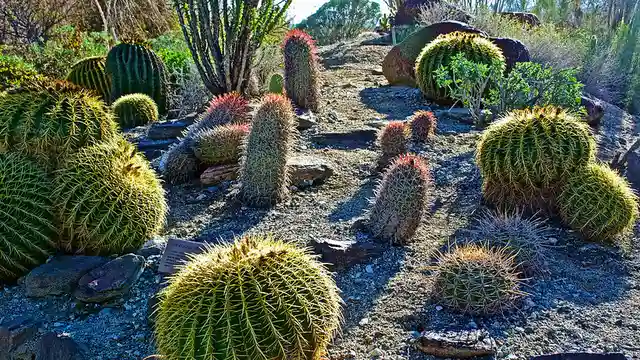
Cacti are quintessential desert plants, renowned for their ability to store water in their fleshy stems. The California deserts are home to a variety of cacti species, each with its own unique adaptations. The barrel cactus, with its ribbed, barrel-shaped stem, is a common sight in the Mojave and Sonoran Deserts. The cholla cactus, with its cylindrical segments covered in spines, is known for its ability to propagate from detached segments that take root in the soil. The prickly pear cactus, with its flat, pad-like stems and edible fruits, is a valuable source of food and water for desert wildlife. These cacti, through their water conservation strategies and protective spines, play a crucial role in the desert ecosystem.
Desert Wildflowers A Burst of Color After the Rains
Despite the harsh conditions, the California deserts can erupt in a spectacular display of wildflowers after periods of rainfall. These ephemeral blooms, often short-lived, transform the arid landscape into a vibrant tapestry of color. Desert poppies, lupines, phacelias, and sunflowers are just a few of the wildflowers that can be found in the California deserts. The timing and abundance of these blooms depend on the amount and timing of rainfall, making each wildflower season a unique and unpredictable event. The Anza-Borrego Desert State Park is particularly renowned for its wildflower displays, attracting visitors from around the world.
Other Notable Desert Plants Adaptations and Survival Strategies
Beyond Joshua trees, cacti, and wildflowers, the California deserts are home to a diverse array of other plant species, each with its own unique adaptations. The creosote bush, with its drought-tolerant leaves and distinctive odor, is a dominant shrub in the Mojave and Sonoran Deserts. The mesquite tree, with its deep roots and nitrogen-fixing abilities, provides shade and sustenance for desert animals. The desert willow, with its fragrant flowers and willow-like leaves, is a common sight along desert washes and streams. These plants, through their diverse adaptations, contribute to the resilience and biodiversity of the California deserts.
Desert Animals Thriving in California's Arid Ecosystems
The animal life of the California deserts is as diverse and fascinating as its plant life. These animals have evolved remarkable adaptations to cope with the extreme heat, limited water, and scarce food resources.
Desert Bighorn Sheep Adapting to the Rugged Terrain
The desert bighorn sheep (Ovis canadensis nelsoni) is a majestic animal that roams the rugged mountains of the California deserts. These sheep are well-adapted to the arid environment, with their thick coats, strong hooves, and ability to go for long periods without water. They feed on a variety of desert plants, including grasses, shrubs, and cacti. Desert bighorn sheep are an important part of the desert ecosystem, and their conservation is a priority for wildlife managers.
Reptiles Lizards and Snakes of the California Deserts
Reptiles are well-represented in the California deserts, with a variety of lizards and snakes adapted to the arid environment. The desert iguana, with its heat-tolerant body and ability to regulate its body temperature, is a common sight in the Mojave and Sonoran Deserts. The chuckwalla, with its expandable body and ability to wedge itself into rock crevices, is a master of camouflage. The sidewinder rattlesnake, with its unique sidewinding locomotion, is a formidable predator. These reptiles, through their physiological and behavioral adaptations, thrive in the harsh conditions of the California deserts.
Birds Soaring Above the Desert Landscape
The California deserts are home to a variety of bird species, some of which are year-round residents and others that are migratory visitors. The roadrunner, with its distinctive appearance and fast running speed, is a iconic desert bird. The cactus wren, with its intricate nests built in cacti, is a resourceful desert dweller. The golden eagle, with its powerful wings and keen eyesight, is a top predator in the desert ecosystem. These birds, through their diverse adaptations, contribute to the rich biodiversity of the California deserts.
Mammals Surviving the Desert Heat and Scarcity
In addition to the bighorn sheep, several other mammals call the California deserts home. The desert kit fox, with its large ears and nocturnal habits, is a skilled hunter. The kangaroo rat, with its ability to conserve water and survive on dry seeds, is a master of desert survival. The jackrabbit, with its long ears and powerful legs, is a fast and agile prey animal. These mammals, through their physiological and behavioral adaptations, have carved out a niche in the challenging environment of the California deserts.
Geological Wonders Exploring the Landscapes of the California Deserts
The California deserts are a geological wonderland, shaped by millions of years of tectonic activity, erosion, and volcanic activity. From towering mountains to deep canyons, the landscape is a testament to the power of nature.
Death Valley A Land of Extremes and Unparalleled Beauty
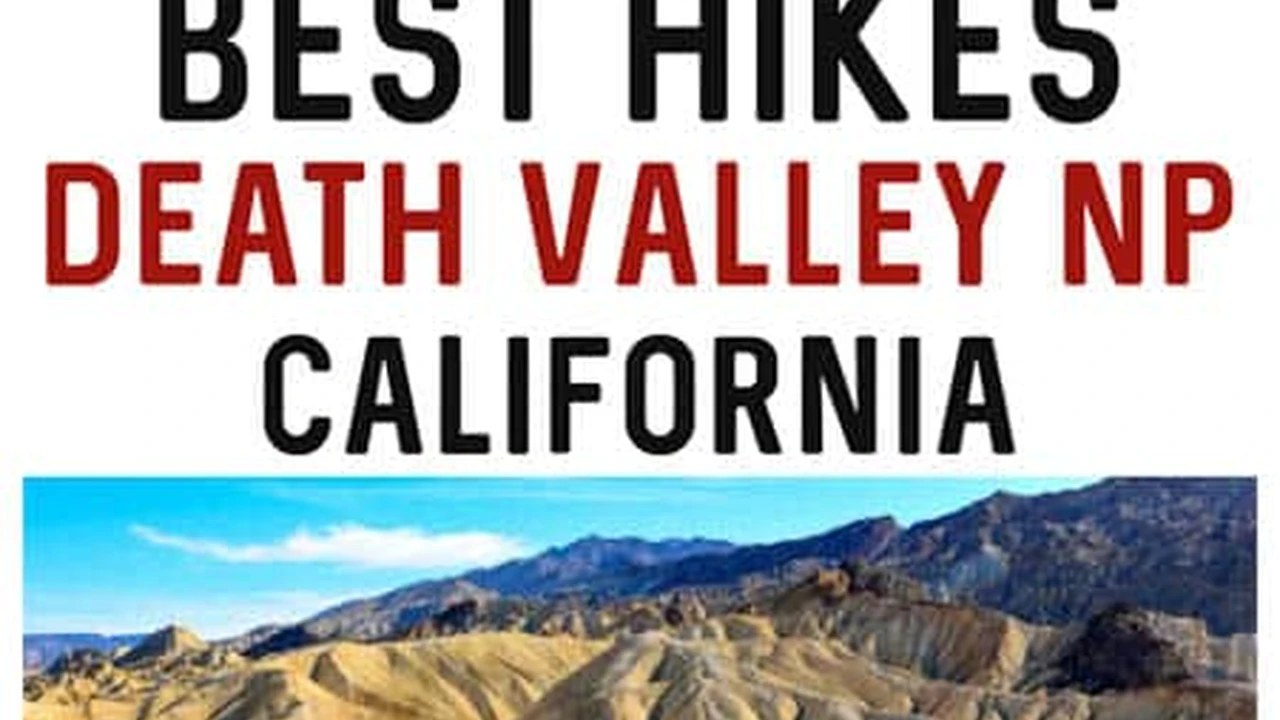
Death Valley National Park is a land of extremes, home to the lowest point in North America (Badwater Basin) and some of the hottest temperatures ever recorded. The park's diverse landscape includes salt flats, sand dunes, canyons, and mountains. Zabriskie Point, with its colorful badlands, is a popular spot for sunrise and sunset viewing. Dante's View, perched high above Death Valley, offers panoramic views of the entire valley. Death Valley is a place of stark beauty and unparalleled geological significance.
Anza-Borrego Desert State Park A Living Geology Textbook
Anza-Borrego Desert State Park is California's largest state park, encompassing a vast area of desert landscape. The park is known for its badlands, canyons, and palm oases. The Borrego Badlands, with their eroded formations, offer a glimpse into the region's geological past. Palm Canyon, with its grove of native California fan palms, provides a refreshing oasis in the arid landscape. Anza-Borrego Desert State Park is a living geology textbook, showcasing the forces that have shaped the California deserts.
Mojave National Preserve A Crossroads of Desert Ecosystems
The Mojave National Preserve protects a diverse range of desert ecosystems, including Joshua tree forests, sand dunes, and volcanic cinder cones. The Kelso Dunes, with their towering sand dunes, are a popular spot for hiking and sandboarding. The Lava Tube, a volcanic cave, offers a cool and unique experience. The Mojave National Preserve is a crossroads of desert ecosystems, showcasing the beauty and ecological significance of the Mojave Desert.
Other Notable Geological Features Volcanic Craters and Fault Lines
Beyond these major parks, the California deserts are home to a variety of other notable geological features. Amboy Crater, a dormant volcano, offers a glimpse into the region's volcanic past. The San Andreas Fault, which runs through the California deserts, is responsible for many of the region's earthquakes. These geological features, along with the region's canyons, mountains, and valleys, contribute to the diverse and fascinating landscape of the California deserts.
Challenges and Conservation Protecting California's Desert Ecosystems
The California deserts face a number of challenges, including climate change, habitat loss, and invasive species. Conservation efforts are essential to protect the region's unique ecosystems and ensure their long-term sustainability.
Climate Change Impacts on Desert Ecosystems
Climate change is having a significant impact on the California deserts, with rising temperatures, decreased rainfall, and increased frequency of wildfires. These changes are threatening the survival of many desert plants and animals. Conservation efforts are focused on mitigating the impacts of climate change and helping desert ecosystems adapt to the changing conditions.
Habitat Loss and Fragmentation The Threat to Desert Wildlife
Habitat loss and fragmentation are major threats to desert wildlife. Urban development, agriculture, and mining are all contributing to the loss of desert habitat. Conservation efforts are focused on protecting and restoring desert habitat and creating corridors that allow wildlife to move between fragmented habitats.
Invasive Species Competing with Native Plants and Animals
Invasive species are a growing threat to desert ecosystems. Non-native plants and animals can outcompete native species for resources and disrupt the natural balance of the ecosystem. Conservation efforts are focused on preventing the introduction and spread of invasive species and controlling existing populations.
Conservation Strategies Protecting Desert Biodiversity
A variety of conservation strategies are being implemented to protect desert biodiversity, including protected areas, habitat restoration, and species management. Protected areas, such as national parks and state parks, provide refuge for desert plants and animals. Habitat restoration projects are aimed at restoring degraded desert ecosystems. Species management programs are focused on protecting and recovering endangered species.
Exploring the California Deserts Practical Tips for Visitors
Visiting the California deserts can be a rewarding experience, but it's important to be prepared for the extreme conditions. Here are some practical tips for visitors:
Essential Gear for Desert Exploration
When exploring the California deserts, it's essential to bring the right gear. This includes:
- Plenty of water: Drink at least one gallon of water per day, especially during the summer months.
- Sunscreen: Protect your skin from the intense desert sun with sunscreen, sunglasses, and a hat.
- Appropriate clothing: Wear lightweight, light-colored clothing that covers your skin.
- Sturdy shoes: Wear sturdy shoes that can handle the rough terrain.
- Navigation tools: Bring a map, compass, or GPS device to help you navigate.
- First-aid kit: Carry a first-aid kit with essential supplies.
Safety Precautions Staying Safe in the Desert Environment
The desert can be a dangerous environment, so it's important to take safety precautions. These include:
- Stay on marked trails: Avoid wandering off trail, as it's easy to get lost.
- Be aware of the weather: Check the weather forecast before you go and be prepared for extreme heat, cold, or wind.
- Avoid strenuous activity during the hottest part of the day: Limit your activity to the early morning or late afternoon.
- Watch out for wildlife: Be aware of snakes, scorpions, and other potentially dangerous animals.
- Tell someone where you are going: Let someone know your itinerary and when you expect to return.
Best Time to Visit Optimal Seasons for Desert Adventures
The best time to visit the California deserts is during the spring or fall, when the temperatures are mild. Summer can be extremely hot, with temperatures often exceeding 100 degrees Fahrenheit. Winter can be cold, especially at night.
Recommended Activities Hiking, Camping, and Stargazing
The California deserts offer a variety of activities for visitors, including:
- Hiking: Explore the desert's trails and canyons.
- Camping: Spend a night under the stars.
- Stargazing: Enjoy the dark night skies and see the Milky Way.
- Wildlife viewing: Look for desert bighorn sheep, lizards, and birds.
- Photography: Capture the beauty of the desert landscape.
Product Recommendations for Desert Enthusiasts
For those looking to enhance their desert experience, here are some product recommendations:
Water Filtration Systems Ensuring Safe Hydration
Staying hydrated is crucial in the desert. A reliable water filtration system is a must-have. The Sawyer Squeeze Water Filter is a popular choice due to its lightweight design and ability to filter up to 1 million gallons of water. It's priced around $30 and is available at most outdoor retailers. Another option is the LifeStraw Personal Water Filter, a simple and effective straw that filters water as you drink. It's even more affordable, typically costing around $20. For larger groups, consider a gravity-fed system like the Platypus GravityWorks Water Filter System, which can filter 4 liters of water in just a few minutes. It's a bit pricier, around $100, but worth it for the convenience.
Use Cases for Water Filtration Systems
- Hiking and backpacking in remote desert areas where water sources are scarce.
- Camping near streams or springs, where water may not be safe to drink without filtration.
- Emergency preparedness: Having a water filter on hand in case of natural disasters or other emergencies.
Product Comparison: Sawyer Squeeze vs. LifeStraw
| Feature | Sawyer Squeeze | LifeStraw |
|---|---|---|
| Filtration Capacity | 1 million gallons | 1000 gallons |
| Filtration Rate | Relatively fast | Slower, requires more sucking effort |
| Versatility | Can be used with squeeze pouches, water bottles, or as an inline filter | Primarily used as a straw |
| Price | Around $30 | Around $20 |
Sun Protection Gear Staying Safe Under the Desert Sun
Protecting yourself from the intense desert sun is essential. A high-quality sunscreen like EltaMD UV Clear Broad-Spectrum SPF 46 is a popular choice among dermatologists. It's oil-free and suitable for sensitive skin. A wide-brimmed hat like the Outdoor Research Seattle Sombrero provides excellent sun protection for your face and neck. It's waterproof and breathable, making it comfortable to wear in hot weather. Sunglasses with UV protection, such as the Oakley Holbrook Sunglasses, are crucial for protecting your eyes. They offer excellent clarity and durability.
Use Cases for Sun Protection Gear
- Hiking and backpacking in open desert areas with little shade.
- Camping and spending extended periods outdoors.
- Protecting sensitive skin from sunburn and sun damage.
Product Comparison: EltaMD UV Clear vs. Neutrogena Ultra Sheer Dry-Touch
| Feature | EltaMD UV Clear | Neutrogena Ultra Sheer Dry-Touch |
|---|---|---|
| Sun Protection Factor (SPF) | 46 | 55-100 |
| Skin Type | Sensitive, acne-prone | All skin types |
| Texture | Lightweight, oil-free | Lightweight, non-greasy |
| Price | Around $30 | Around $10 |
Navigation Tools Avoiding Getting Lost in the Vast Desert
Navigating the vast desert landscape can be challenging. A reliable GPS device like the Garmin inReach Mini 2 is a valuable tool. It allows you to track your location, send and receive messages, and trigger an SOS in case of emergency. A good old-fashioned compass, such as the Suunto MC-2 Compass, is a reliable backup navigation tool. It's durable and easy to use. A detailed topographic map of the area you're exploring is also essential. You can purchase maps from the US Geological Survey or local outdoor retailers.
Use Cases for Navigation Tools
- Hiking and backpacking in remote desert areas with limited cell service.
- Off-road driving and exploring unmarked trails.
- Emergency situations where you need to call for help or navigate to safety.
Product Comparison: Garmin inReach Mini 2 vs. SPOT Gen4
| Feature | Garmin inReach Mini 2 | SPOT Gen4 |
|---|---|---|
| Messaging | Two-way messaging | One-way messaging (pre-set messages) |
| SOS | Interactive SOS | Basic SOS |
| Mapping | Detailed mapping features | Limited mapping features |
| Price | Around $400 | Around $150 |
Camping Gear Ensuring Comfort During Desert Nights
Camping in the desert can be a magical experience, but it's important to have the right gear. A lightweight tent like the Big Agnes Copper Spur HV UL2 is a popular choice for backpacking. It's easy to set up and provides excellent protection from the elements. A sleeping bag with a low temperature rating, such as the REI Co-op Magma 15 Sleeping Bag, is essential for staying warm on cold desert nights. A comfortable sleeping pad, like the Therm-a-Rest NeoAir XLite Sleeping Pad, will help you get a good night's sleep. A headlamp, such as the Black Diamond Spot 400 Headlamp, is essential for navigating around camp at night.
Use Cases for Camping Gear
- Overnight backpacking trips in the desert.
- Car camping in designated campgrounds.
- Stargazing and enjoying the peace and quiet of the desert at night.
Product Comparison: Big Agnes Copper Spur HV UL2 vs. MSR Hubba Hubba NX
| Feature | Big Agnes Copper Spur HV UL2 | MSR Hubba Hubba NX |
|---|---|---|
| Weight | 3 lbs 2 oz | 3 lbs 7 oz |
| Floor Area | 29 sq ft | 29 sq ft |
| Price | Around $500 | Around $450 |
The Future of the California Deserts Balancing Conservation and Development
The future of the California deserts depends on balancing conservation and development. Sustainable development practices are needed to minimize the impact of human activities on the desert ecosystem. Education and outreach programs are essential to raise awareness about the importance of desert conservation. Collaboration between government agencies, conservation organizations, and local communities is crucial to ensure the long-term sustainability of the California deserts.
Call to Action Protecting the Beauty of the California Deserts
The California deserts are a unique and valuable resource that must be protected for future generations. By supporting conservation efforts, practicing responsible recreation, and advocating for sustainable development, we can all play a role in preserving the beauty and ecological integrity of the California deserts.
:max_bytes(150000):strip_icc()/277019-baked-pork-chops-with-cream-of-mushroom-soup-DDMFS-beauty-4x3-BG-7505-5762b731cf30447d9cbbbbbf387beafa.jpg)