Whitewater Rafting_ California's Wild Rivers
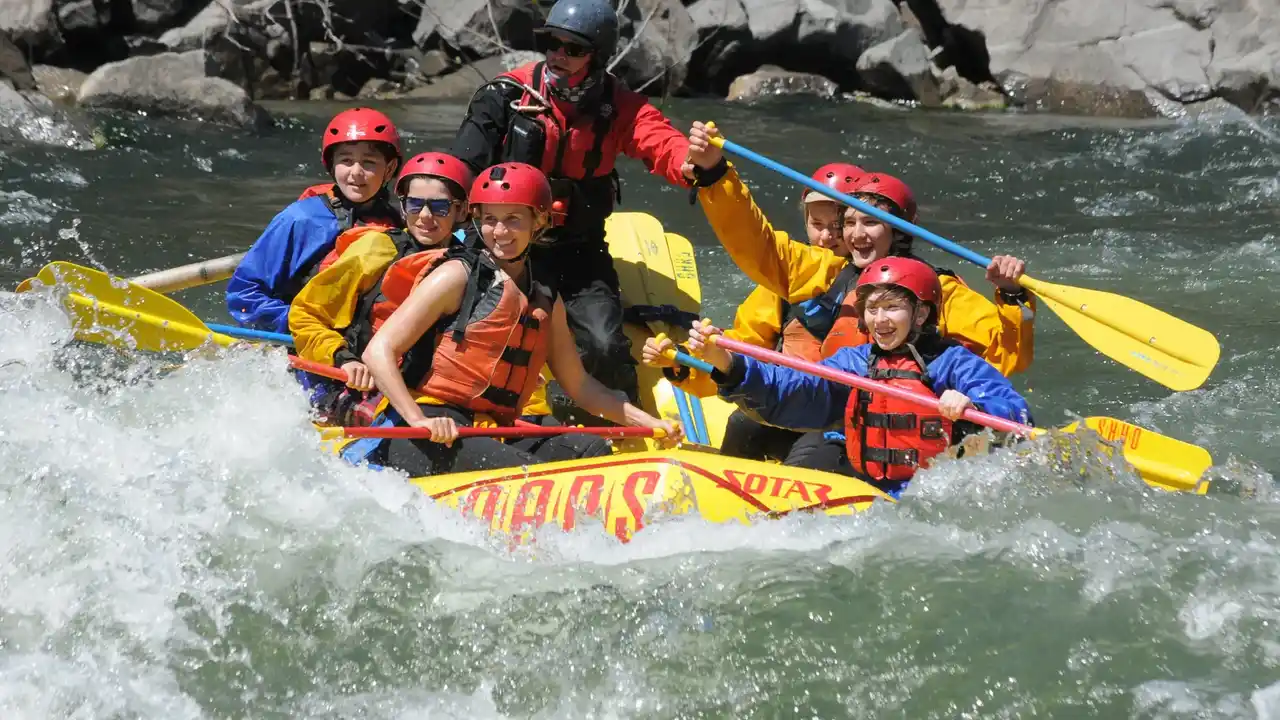
California, a state synonymous with sunshine, beaches, and Hollywood glamour, also harbors a secret world of untamed beauty: its wild rivers. For thrill-seekers and nature enthusiasts alike, whitewater rafting in California offers an unparalleled adventure. From the snow-capped peaks of the Sierra Nevada to the lush forests of the North Coast, these rivers carve their way through dramatic landscapes, providing exhilarating rapids and breathtaking scenery. This article will delve into the heart of California's whitewater rafting scene, exploring the best rivers, essential gear, safety considerations, and even some product recommendations to help you plan your ultimate river adventure.
Choosing Your California Whitewater Rafting Adventure River Selection
California boasts a diverse range of rivers, each with its own unique character and challenges. The best river for you will depend on your experience level, desired intensity, and the time of year. Here's a glimpse at some of the most popular options:
The American River A Rafting Paradise
The American River, located near Sacramento, is arguably the most popular whitewater rafting destination in California. It's actually comprised of three forks – the South, Middle, and North – each offering a distinct experience.
South Fork American River Beginner Friendly Rapids
The South Fork is known for its beginner-friendly Class II and III rapids, making it ideal for families, first-timers, and those looking for a more relaxed float trip. The scenery is stunning, with rolling hills and oak woodlands lining the riverbanks. Expect a mix of calm stretches and exciting rapids, perfect for learning the ropes and enjoying the California sunshine.
Middle Fork American River A Step Up in Intensity
The Middle Fork offers a step up in intensity, with Class III and IV rapids that provide a more challenging and exhilarating experience. This section of the river is known for its beautiful canyons and pristine wilderness. Expect technical rapids that require teamwork and skillful paddling.
North Fork American River Expert Only Territory
The North Fork is the most challenging of the three, with Class IV and V rapids that are suitable only for experienced rafters. This section of the river is known for its steep drops, powerful currents, and stunning scenery. Expect a true adrenaline rush and a test of your rafting skills.
The Tuolumne River Yosemite's Wild Child
Flowing through the heart of Yosemite National Park, the Tuolumne River is a true wilderness gem. This river offers a challenging and rewarding whitewater experience, with Class IV and V rapids that demand respect. The scenery is unparalleled, with granite cliffs, towering waterfalls, and pristine forests lining the riverbanks. A trip down the Tuolumne is a true immersion into the beauty of Yosemite.
The Kern River Southern California's Whitewater Oasis
Located in Southern California, the Kern River is a welcome oasis for those seeking respite from the desert heat. This river offers a variety of rafting experiences, from gentle floats to challenging Class IV and V rapids. The scenery is diverse, with towering granite peaks, lush forests, and arid desert landscapes. The Kern River is a great option for those looking for a whitewater adventure closer to Southern California.
The Klamath River Northern California's Scenic Wonder
The Klamath River, located in Northern California, is known for its stunning scenery and abundant wildlife. This river offers a more relaxed rafting experience, with Class II and III rapids that are perfect for families and those looking for a scenic float trip. The Klamath is also known for its excellent fishing opportunities, making it a great destination for anglers and nature lovers.
Essential Whitewater Rafting Gear Product Recommendations and Use Cases
Having the right gear is crucial for a safe and enjoyable whitewater rafting experience. Here's a breakdown of essential gear and some product recommendations:
Personal Flotation Device PFD Your Lifeline
A PFD, also known as a life jacket, is the most important piece of gear. It should fit snugly and be Coast Guard approved.
Product Recommendation: NRS Chinook PFD. This PFD is comfortable, durable, and offers excellent buoyancy. It features multiple pockets for storing essentials and is designed for whitewater rafting.
Use Case: Wear your PFD at all times while on the river. Ensure it is properly adjusted and that you know how to use the buckles and straps.
Helmet Head Protection Is Key
A helmet is essential for protecting your head from rocks and other hazards. Choose a helmet that is specifically designed for whitewater rafting and fits snugly.
Product Recommendation: Sweet Protection Strutter Helmet. This helmet offers excellent impact protection and features a comfortable fit. It is designed for whitewater rafting and kayaking.
Use Case: Wear your helmet at all times while on the river. Ensure it is properly adjusted and that the chin strap is securely fastened.
Wetsuit or Drysuit Staying Warm and Comfortable
Depending on the water temperature and time of year, you may need a wetsuit or drysuit to stay warm. Wetsuits trap a layer of water against your skin, which is then warmed by your body heat. Drysuits keep you completely dry and are ideal for colder conditions.
Product Recommendation: NRS Farmer John Wetsuit (for warmer conditions) or Kokatat Hydrus 3.0 Meridian Drysuit (for colder conditions). The NRS Farmer John is a comfortable and versatile wetsuit that is ideal for warmer water temperatures. The Kokatat Hydrus 3.0 Meridian Drysuit is a high-quality drysuit that will keep you completely dry and warm in even the coldest conditions.
Use Case: Choose a wetsuit or drysuit that is appropriate for the water temperature. Wear layers underneath your wetsuit or drysuit to regulate your body temperature.
Rafting Paddles Powering Your Adventure
A good quality paddle is essential for maneuvering your raft through the rapids. Choose a paddle that is the right length for your height and that is comfortable to hold.
Product Recommendation: Carlisle Predator Paddle. This paddle is durable, lightweight, and offers excellent performance. It is a popular choice for whitewater rafting guides and enthusiasts.
Use Case: Learn the proper paddling techniques before hitting the river. Practice paddling in calm water to get comfortable with the paddle and your stroke.
Rafting Shoes Protecting Your Feet
Sturdy footwear is essential for protecting your feet from rocks and other hazards. Choose shoes that provide good traction and that will stay on your feet in the water.
Product Recommendation: NRS ATB Wetshoes. These shoes are designed for whitewater rafting and kayaking. They offer excellent traction, support, and protection.
Use Case: Wear your rafting shoes at all times while on the river. Ensure they are properly laced or buckled to prevent them from coming off.
Dry Bags Keeping Your Gear Dry
Dry bags are essential for keeping your gear dry while on the river. Choose dry bags that are waterproof and durable.
Product Recommendation: Sea to Summit Lightweight Dry Sack. These dry sacks are lightweight, waterproof, and come in a variety of sizes.
Use Case: Store your valuables, such as your phone, wallet, and camera, in dry bags. Seal the dry bags tightly to prevent water from entering.
Sunscreen Protecting Your Skin
Sunscreen is essential for protecting your skin from the sun's harmful rays. Choose a sunscreen that is waterproof and has a high SPF.
Product Recommendation: Thinksport Sunscreen SPF 50+. This sunscreen is reef-safe, hypoallergenic, and provides excellent protection from the sun.
Use Case: Apply sunscreen liberally to all exposed skin before hitting the river. Reapply sunscreen every two hours, or more frequently if you are sweating or swimming.
Water Bottle Staying Hydrated
Staying hydrated is crucial while whitewater rafting. Bring a water bottle and fill it with water before hitting the river.
Product Recommendation: Hydro Flask Water Bottle. This water bottle is insulated and will keep your water cold for hours.
Use Case: Drink plenty of water throughout the day to stay hydrated. Avoid sugary drinks, which can dehydrate you.
Whitewater Rafting Safety Considerations Prioritizing Your Well being
Whitewater rafting can be a dangerous activity if proper safety precautions are not taken. Here are some important safety considerations to keep in mind:
Choose a Reputable Outfitter Experienced Guides and Equipment
When booking a whitewater rafting trip, choose a reputable outfitter with experienced guides and well-maintained equipment. Look for outfitters that are licensed and insured.
Listen to Your Guide Following Instructions
Pay attention to your guide's instructions and follow them carefully. Your guide is an expert in navigating the river and will provide you with important safety information.
Know Your Limits Assessing Your Capabilities
Be honest about your experience level and choose a rafting trip that is appropriate for your abilities. Don't attempt rapids that are beyond your skill level.
Wear Appropriate Gear Protecting Yourself
Wear all of the necessary safety gear, including a PFD, helmet, and appropriate clothing. Make sure your gear fits properly and is in good condition.
Be Aware of River Hazards Recognizing Dangers
Be aware of potential river hazards, such as rocks, trees, and strong currents. Know how to avoid these hazards and what to do if you encounter them.
Stay in the Raft Maintaining Balance
Stay in the raft at all times unless instructed otherwise by your guide. If you fall out of the raft, try to stay calm and float on your back with your feet pointed downstream.
Know How to Swim Basic Water Skills
It's helpful to know how to swim, even if you are wearing a PFD. Practice swimming in a pool or calm water before hitting the river.
Communicate with Your Team Paddling Together
Communicate with your team and work together to paddle the raft. Listen to your guide's instructions and follow their lead.
Be Prepared for Emergencies Contingency Plans
Be prepared for emergencies. Know how to signal for help and what to do if someone is injured.
Whitewater Rafting Trip Planning Logistics and Considerations
Planning a whitewater rafting trip requires careful consideration of various factors. Here's a guide to help you through the process:
Best Time to Go Seasonal Variations
The best time to go whitewater rafting in California depends on the river and your desired experience. Generally, the peak season is from April to September, when the snowmelt is at its highest and the rapids are the most exciting. However, some rivers, like the Kern, can be rafted year-round.
Booking Your Trip Advance Reservations
It's best to book your whitewater rafting trip in advance, especially during peak season. This will ensure that you get a spot on the trip you want and that you have plenty of time to prepare.
What to Bring Packing Essentials
In addition to the essential gear mentioned earlier, you should also bring the following items on your whitewater rafting trip: a hat, sunglasses, sunscreen, insect repellent, a waterproof camera, and a change of clothes.
What to Expect on the River Typical Day
A typical whitewater rafting trip will involve a safety briefing, gear fitting, and then several hours on the river. You'll paddle through rapids, enjoy the scenery, and maybe even take a swim in the river. Most trips include lunch or snacks.
Physical Fitness Requirements Assessing Your Abilities
Whitewater rafting can be physically demanding, so it's important to be in good shape. You'll need to be able to paddle for several hours and be able to swim in case you fall out of the raft.
Cost Considerations Budgeting Your Trip
The cost of a whitewater rafting trip can vary depending on the river, the length of the trip, and the outfitter. Be sure to factor in the cost of transportation, accommodation, and meals when budgeting for your trip.
Whitewater Rafting Product Comparisons Evaluating Options
Let's delve deeper into comparing specific products within the whitewater rafting gear category to help you make informed decisions.
PFD Comparison NRS vs Stohlquist
NRS Chinook PFD: Known for its comfort, multiple pockets, and excellent buoyancy. A great all-around PFD for various rafting levels.
Stohlquist Fisherman PFD: Designed with anglers in mind, featuring numerous pockets and attachments for fishing gear. Suitable for calmer sections of rivers or guided fishing trips.
Verdict: For general whitewater rafting, the NRS Chinook is the better choice due to its focus on buoyancy and comfort in rapid conditions. The Stohlquist Fisherman is ideal if you plan to combine rafting with fishing.
Helmet Comparison Sweet Protection vs WRSI
Sweet Protection Strutter Helmet: Offers excellent impact protection, a comfortable fit, and a stylish design. A premium helmet for serious rafters.
WRSI Current Pro Helmet: Known for its innovative Interconnect Retention System, providing a secure and comfortable fit. A solid choice for reliable head protection.
Verdict: Both are excellent helmets. The Sweet Protection Strutter offers a slightly more premium feel and design, while the WRSI Current Pro stands out with its unique retention system. Choose based on personal preference and fit.
Wetsuit Comparison NRS vs O'Neill
NRS Farmer John Wetsuit: A versatile and comfortable wetsuit, ideal for warmer water temperatures. Provides good insulation and freedom of movement.
O'Neill Reactor II Wetsuit: A more budget-friendly option, offering decent insulation and flexibility. Suitable for occasional rafting trips in moderate temperatures.
Verdict: If you plan to raft frequently, the NRS Farmer John is worth the investment for its superior comfort and durability. The O'Neill Reactor II is a good entry-level option for occasional use.
Whitewater Rafting and Conservation Protecting Our Rivers
It's important to remember that whitewater rafting takes place in a natural environment, and we have a responsibility to protect these rivers for future generations. Here are some ways to practice responsible rafting:
Leave No Trace Minimizing Impact
Pack out everything you pack in, and dispose of waste properly. Avoid disturbing wildlife or vegetation.
Support Sustainable Outfitters Eco Friendly Practices
Choose outfitters that are committed to sustainable practices, such as using eco-friendly cleaning products and minimizing their impact on the environment.
Respect Wildlife Observing from a Distance
Observe wildlife from a distance and avoid feeding animals. Keep a safe distance from nesting birds and other sensitive areas.
Conserve Water Reducing Consumption
Conserve water by taking shorter showers and avoiding excessive use of water.
Educate Yourself and Others Spreading Awareness
Learn about the importance of river conservation and share your knowledge with others.
Whitewater Rafting Beyond the Rapids Exploring the Surroundings
Whitewater rafting is often just one part of a larger adventure. Take some time to explore the surrounding areas and discover the hidden gems of California.
Hiking Trails Scenic Views
Many whitewater rafting destinations offer excellent hiking trails. Take a hike to a scenic overlook or explore a nearby forest.
Camping Under the Stars
Camping is a great way to extend your whitewater rafting trip and enjoy the beauty of the outdoors. Many campgrounds are located near rivers and offer a variety of amenities.
Fishing Casting a Line
Some rivers offer excellent fishing opportunities. Bring your fishing gear and try your luck at catching trout, salmon, or other fish.
Wildlife Viewing Observing Nature's Wonders
Keep an eye out for wildlife while you are on the river. You may see deer, bears, eagles, and other animals.
Local Culture and History Discovering the Past
Explore the local towns and learn about the history and culture of the area. Visit museums, historical sites, and local restaurants.
California's wild rivers offer an unforgettable whitewater rafting experience. By choosing the right river, gear, and outfitter, and by following safety precautions and practicing responsible rafting, you can create memories that will last a lifetime. So, grab your paddle, gather your friends, and get ready for an adventure on California's wild rivers!
:max_bytes(150000):strip_icc()/277019-baked-pork-chops-with-cream-of-mushroom-soup-DDMFS-beauty-4x3-BG-7505-5762b731cf30447d9cbbbbbf387beafa.jpg)