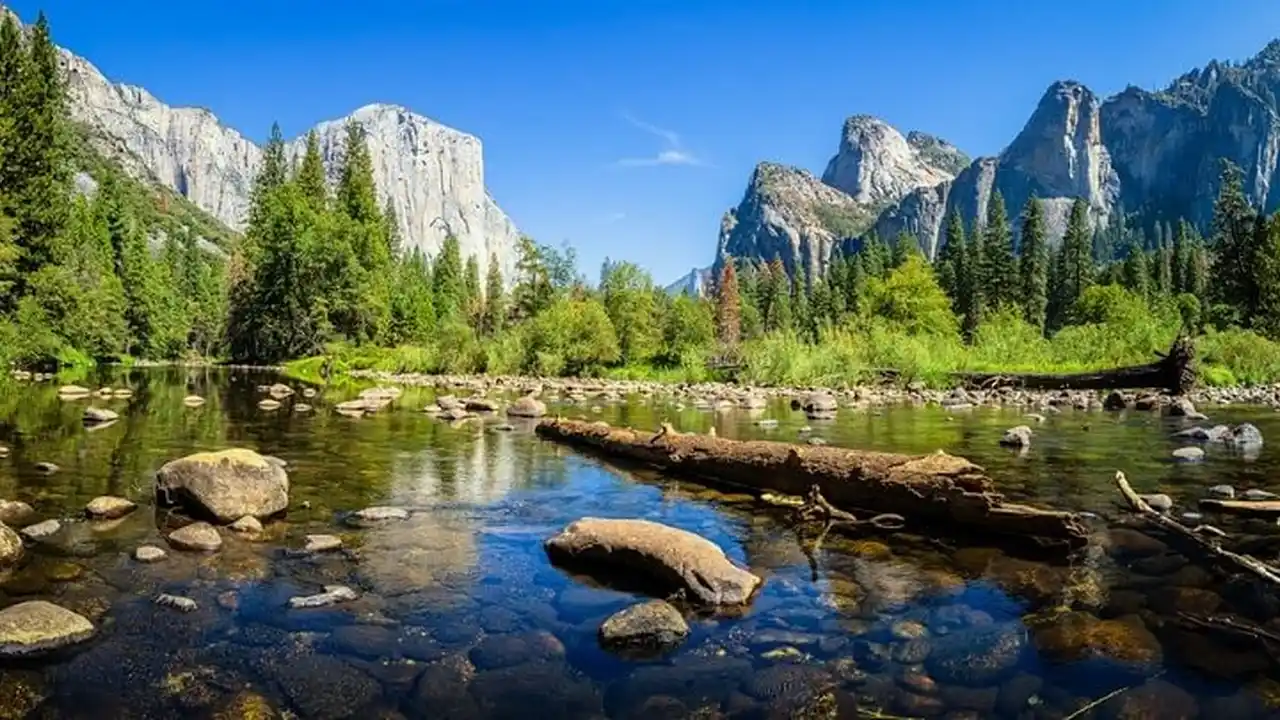
Point Reyes_ Coastal Wilderness North of San Francisco

Unveiling California's Ecological Tapestry A Journey Through Diverse Ecosystems
California, a land of sunshine and innovation, is also a treasure trove of ecological diversity. From the towering redwood forests to the arid deserts, the state boasts a remarkable array of habitats, each teeming with unique flora and fauna. This article delves into the heart of California's ecosystems, exploring their defining characteristics, the challenges they face, and the conservation efforts underway to protect them for future generations.
California's Redwood Forests Majestic Giants and Ancient Ecosystems
Imagine standing beneath trees so tall they seem to pierce the sky. This is the reality in California's redwood forests, home to the tallest trees on Earth. These ancient ecosystems, primarily found along the northern coast, are characterized by their towering redwood trees (Sequoia sempervirens), which can live for hundreds, even thousands, of years.
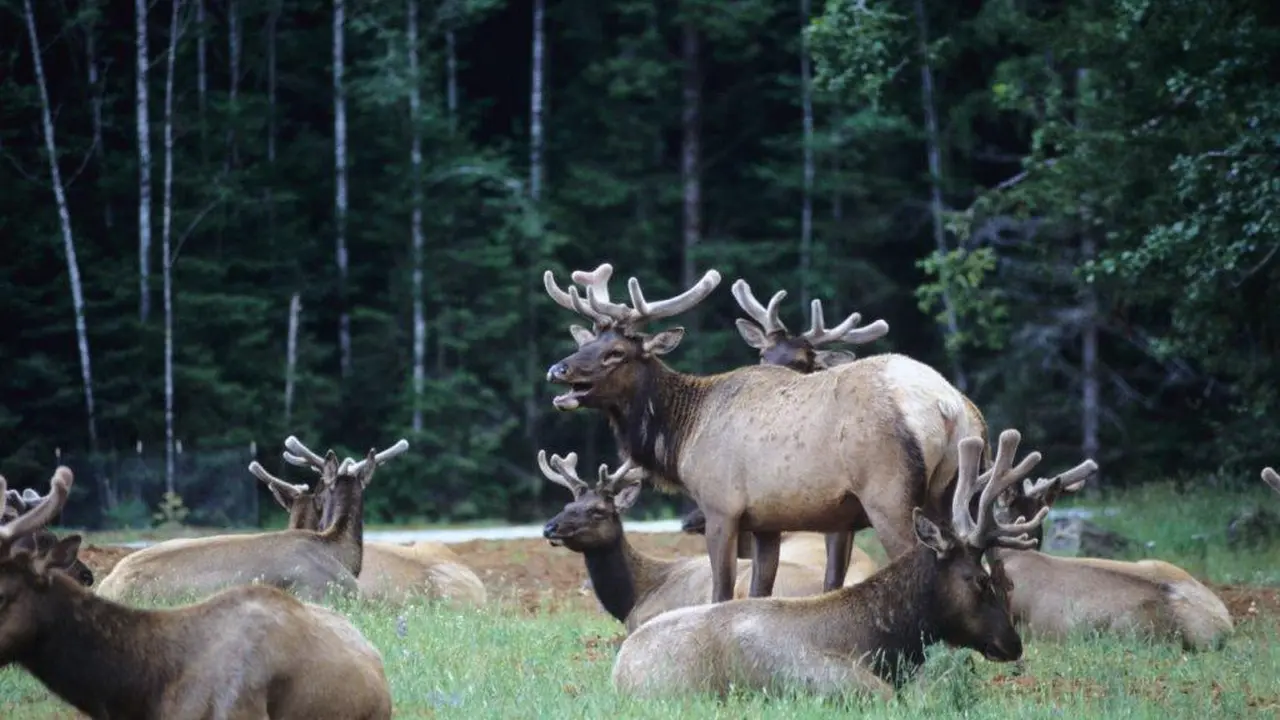
The redwood forests are not just about the trees; they are complex ecosystems supporting a rich diversity of life. The understory is home to ferns, shrubs, and wildflowers, while the forest floor is teeming with insects, fungi, and other decomposers. Mammals such as deer, bears, and bobcats roam through the forests, and birds like the marbled murrelet and the spotted owl find refuge in the canopy.
Specific Product Recommendation: For exploring the redwood forests, consider investing in a high-quality pair of binoculars like the Nikon Monarch 5 8x42. Its excellent clarity and wide field of view will allow you to spot wildlife high in the canopy and appreciate the intricate details of the forest floor.
Use Case: Use these binoculars to observe birds nesting in the redwood trees, track deer movements, or simply enjoy the panoramic views of the forest.
Product Comparison: While the Nikon Monarch 5 is a great all-around choice, the Vortex Diamondback HD 8x42 offers similar performance at a slightly lower price point. However, the Nikon Monarch 5 boasts superior low-light performance, making it ideal for early morning or late evening wildlife viewing.
Pricing and Details: The Nikon Monarch 5 8x42 typically retails for around $300-$350. Check major retailers like Amazon, B&H Photo Video, and local sporting goods stores for the best deals. The Vortex Diamondback HD 8x42 usually costs between $200-$250.
Exploring California's Deserts Arid Landscapes and Resilient Life
In stark contrast to the lush redwood forests, California's deserts offer a landscape of stark beauty and remarkable resilience. The Mojave and Colorado Deserts, located in the southeastern part of the state, are characterized by extreme temperatures, low rainfall, and unique adaptations of plant and animal life.
Despite the harsh conditions, the deserts are home to a surprising array of species. Cacti, succulents, and other drought-resistant plants thrive in the arid environment. Animals like the desert tortoise, the kangaroo rat, and the sidewinder rattlesnake have evolved specialized adaptations to survive in the extreme heat and scarcity of water.
Specific Product Recommendation: When venturing into the California deserts, a reliable water filter is essential. We recommend the Sawyer Squeeze Water Filter. It's lightweight, compact, and can filter up to 1 million gallons of water, making it perfect for long hikes and backpacking trips.
Use Case: Use the Sawyer Squeeze to filter water from streams, springs, or even puddles, ensuring you have access to safe drinking water in the arid desert environment.
Product Comparison: The LifeStraw Personal Water Filter is another popular option, but it requires you to drink directly from the water source. The Sawyer Squeeze allows you to filter water into a container for later consumption.
Pricing and Details: The Sawyer Squeeze Water Filter typically sells for around $30. The LifeStraw Personal Water Filter is usually priced around $20.
California's Coastal Ecosystems A Meeting of Land and Sea
California's coastline, stretching over 840 miles, is a dynamic and diverse ecosystem where the land meets the sea. From rocky cliffs and sandy beaches to estuaries and kelp forests, the coastal environment supports a wide range of plant and animal life.
Kelp forests, often referred to as underwater rainforests, are particularly important ecosystems along the California coast. These dense forests of giant kelp provide habitat for a vast array of marine organisms, including fish, invertebrates, and marine mammals. Sea otters, known as keystone species, play a crucial role in maintaining the health of kelp forests by controlling populations of sea urchins, which can overgraze the kelp.
Specific Product Recommendation: For exploring California's coastal ecosystems, a waterproof camera like the GoPro HERO11 Black is a must-have. It allows you to capture stunning underwater footage of kelp forests, marine life, and other coastal wonders.
Use Case: Use the GoPro HERO11 Black to document your snorkeling or diving adventures, capture time-lapses of coastal sunsets, or record wildlife encounters along the shore.
Product Comparison: While the GoPro HERO11 Black is a top-of-the-line action camera, the DJI Osmo Action 3 offers similar features and performance at a slightly lower price point. However, the GoPro HERO11 Black boasts superior image stabilization and a wider range of accessories.
Pricing and Details: The GoPro HERO11 Black typically retails for around $400-$500. The DJI Osmo Action 3 usually costs between $300-$400.
California's Freshwater Ecosystems Rivers Lakes and Wetlands
California's freshwater ecosystems, including rivers, lakes, and wetlands, are vital for both human and wildlife. These ecosystems provide drinking water, irrigation for agriculture, habitat for fish and other aquatic species, and recreational opportunities.
The Sacramento-San Joaquin Delta, a vast network of waterways in the heart of California, is the largest estuary on the West Coast of North America. This complex ecosystem supports a diverse array of fish, birds, and other wildlife, and provides drinking water for millions of Californians. However, the Delta is also facing numerous challenges, including water diversions, pollution, and habitat loss.
Specific Product Recommendation: For enjoying California's freshwater ecosystems, a comfortable and reliable kayak like the Intex Challenger K1 Kayak is a great option. It's inflatable, lightweight, and easy to transport, making it perfect for exploring rivers, lakes, and calm coastal waters.
Use Case: Use the Intex Challenger K1 Kayak for leisurely paddles on lakes and rivers, fishing trips, or wildlife viewing excursions.
Product Comparison: While the Intex Challenger K1 Kayak is an affordable and convenient option, a more durable and stable kayak like the Perception Pescador 12.0 might be a better choice for serious kayakers. However, the Perception Pescador 12.0 is significantly more expensive and requires more storage space.
Pricing and Details: The Intex Challenger K1 Kayak typically sells for around $100-$150. The Perception Pescador 12.0 usually costs between $600-$800.
Threats to California's Ecosystems Climate Change Habitat Loss and Invasive Species
California's ecosystems are facing a multitude of threats, including climate change, habitat loss, and invasive species. Climate change is causing rising temperatures, changes in precipitation patterns, and increased frequency of extreme weather events, such as droughts and wildfires. These changes are impacting the distribution and abundance of plant and animal species, and threatening the long-term health of California's ecosystems.
Habitat loss, driven by urban development, agriculture, and logging, is another major threat to California's biodiversity. As natural habitats are converted to other uses, species lose their homes and food sources, leading to population declines and extinctions. Invasive species, introduced from other parts of the world, can also outcompete native species, disrupt food webs, and alter ecosystem processes.
Conservation Efforts Protecting California's Natural Heritage
Despite the challenges, there are numerous conservation efforts underway to protect California's natural heritage. Government agencies, non-profit organizations, and private landowners are working together to restore degraded habitats, protect endangered species, and promote sustainable land management practices.
These efforts include restoring wetlands, removing invasive species, establishing protected areas, and promoting responsible tourism. Education and outreach programs are also crucial for raising awareness about the importance of conservation and engaging the public in protecting California's natural resources.
Sustainable Travel Tips Minimizing Your Impact on California's Ecosystems
When exploring California's ecosystems, it's important to travel sustainably and minimize your impact on the environment. Here are a few tips for responsible travel:
- Leave No Trace: Pack out everything you pack in, stay on designated trails, and avoid disturbing wildlife.
- Support Local Businesses: Choose locally owned hotels, restaurants, and tour operators that are committed to sustainability.
- Reduce Your Carbon Footprint: Use public transportation, bike, or walk whenever possible. Consider offsetting your carbon emissions from air travel.
- Conserve Water and Energy: Be mindful of your water and energy consumption in hotels and other accommodations.
- Respect Wildlife: Observe wildlife from a distance, avoid feeding animals, and never approach or harass them.
The Future of California's Ecosystems A Call to Action
The future of California's ecosystems depends on our collective efforts to protect and restore these precious natural resources. By supporting conservation initiatives, adopting sustainable practices, and advocating for responsible policies, we can ensure that future generations will have the opportunity to enjoy the beauty and wonder of California's diverse habitats.
Exploring California's Unique Flora and Fauna A Detailed Look
Delving deeper into the specific flora and fauna of California reveals an astonishing level of biodiversity. From the California poppy, the state's vibrant flower, to the elusive California condor, each species plays a vital role in the intricate web of life.
The California poppy (Eschscholzia californica) is a symbol of the state's natural beauty. Its bright orange petals adorn meadows and hillsides in the spring, attracting pollinators and adding a splash of color to the landscape. The California condor (Gymnogyps californianus), a critically endangered bird, is a testament to the power of conservation. After teetering on the brink of extinction, the condor population has been slowly recovering thanks to intensive breeding and release programs.
Specific Product Recommendation: For identifying California's diverse flora and fauna, a comprehensive field guide like the "The Laws Field Guide to the Sierra Nevada" by John Muir Laws is an invaluable resource. It features detailed descriptions and illustrations of plants, animals, and geological features of the Sierra Nevada region.
Use Case: Use this field guide to identify wildflowers, trees, birds, mammals, and other organisms you encounter during your explorations of California's ecosystems.
Product Comparison: While "The Laws Field Guide to the Sierra Nevada" is focused on the Sierra Nevada region, the "National Audubon Society Field Guide to North American Birds (Western Region)" provides comprehensive coverage of bird species throughout the western United States.
Pricing and Details: "The Laws Field Guide to the Sierra Nevada" typically sells for around $30-$40. The "National Audubon Society Field Guide to North American Birds (Western Region)" usually costs between $20-$30.
The Impact of Wildfires on California's Ecosystems A Growing Concern
Wildfires are a natural part of California's ecosystems, playing a role in shaping vegetation patterns and maintaining biodiversity. However, due to climate change and other factors, wildfires are becoming more frequent, intense, and widespread, posing a significant threat to California's natural resources.
Large-scale wildfires can destroy habitats, kill wildlife, and release massive amounts of carbon dioxide into the atmosphere, exacerbating climate change. They can also alter soil properties, leading to erosion and increased runoff, which can negatively impact water quality. The long-term effects of wildfires on California's ecosystems are still being studied, but it is clear that they are a growing concern.
Water Management in California Balancing Human Needs and Ecosystem Health
Water is a precious resource in California, especially in the arid regions of the state. Managing water resources sustainably is crucial for balancing human needs and ecosystem health. Water diversions, dams, and other infrastructure projects have significantly altered California's natural waterways, impacting fish populations, water quality, and riparian habitats.
Finding solutions to balance water demands with the needs of the environment is a complex challenge. Water conservation measures, improved irrigation techniques, and restoration of natural waterways are all important strategies for ensuring a sustainable water future for California.
Exploring California's Marine Protected Areas Preserving Coastal Biodiversity
California's Marine Protected Areas (MPAs) are designated areas along the coast that are designed to protect marine life and habitats. These areas restrict certain activities, such as fishing and boating, to allow marine ecosystems to recover and thrive.
MPAs are an important tool for conserving coastal biodiversity and ensuring the long-term health of California's marine environment. They provide refuge for fish, invertebrates, and marine mammals, and help to maintain the ecological balance of coastal ecosystems.
Citizen Science Opportunities Contributing to California's Ecosystem Research
Citizen science provides opportunities for the public to participate in scientific research and contribute to our understanding of California's ecosystems. From monitoring bird populations to tracking water quality, citizen scientists can play a valuable role in collecting data and supporting conservation efforts.
Numerous organizations offer citizen science programs in California, providing training and resources for volunteers to get involved. By participating in citizen science, you can learn more about California's ecosystems, contribute to important research, and make a difference in protecting the state's natural resources.
The Economic Value of California's Ecosystems A Sustainable Future
California's ecosystems provide a wide range of economic benefits, including clean water, timber, fisheries, and tourism opportunities. Recognizing the economic value of these ecosystems is crucial for promoting sustainable management practices and ensuring a healthy economy for future generations.
Investing in ecosystem restoration, protecting natural habitats, and promoting sustainable tourism can create jobs, boost local economies, and enhance the quality of life for Californians. By valuing the economic benefits of our ecosystems, we can create a more sustainable and prosperous future for the state.
:max_bytes(150000):strip_icc()/277019-baked-pork-chops-with-cream-of-mushroom-soup-DDMFS-beauty-4x3-BG-7505-5762b731cf30447d9cbbbbbf387beafa.jpg)