Wildlife Viewing_ National Parks in California
Discovering the Majesty of California National Parks A Comprehensive Guide
California, a land of diverse landscapes and breathtaking beauty, is home to some of the most stunning national parks in the United States. From the towering sequoias of Sequoia and Kings Canyon National Parks to the dramatic cliffs of Yosemite and the otherworldly terrain of Death Valley, California's national parks offer a wealth of opportunities for adventure, exploration, and connection with nature. This article serves as your comprehensive guide to exploring these natural wonders, providing insights into their unique features, activities, and the gear you need to make the most of your visit.
Planning Your California National Parks Adventure Top Considerations
Before embarking on your California national parks adventure, careful planning is essential. Consider the following factors to ensure a smooth and enjoyable trip:
- Time of Year: California's diverse climate means that the best time to visit a particular park can vary significantly. Summer is generally the most popular time, but it can also be crowded and hot. Spring and fall offer milder temperatures and fewer crowds, while winter can bring snow to higher elevations.
- Park Reservations: Some parks, particularly Yosemite, require reservations for entry during peak season. Check the National Park Service website for the latest information and reservation requirements.
- Accommodations: Lodging options within the parks range from campsites to hotels. Reservations are highly recommended, especially during peak season. Consider staying in nearby towns if park accommodations are unavailable.
- Transportation: California's national parks are spread across a vast area. Renting a car is the most convenient way to explore them, but shuttle services are available in some parks.
- Fitness Level: Many of the parks' most iconic features require hiking. Assess your fitness level and choose trails that are appropriate for your abilities.
Essential Gear for California National Parks Unveiling Top Recommendations
Having the right gear can significantly enhance your experience in California's national parks. Here are some essential items to consider:
- Hiking Boots: Sturdy hiking boots with good ankle support are crucial for navigating the parks' diverse terrain. We recommend the Merrell Moab 2 Vent Hiking Shoe for its comfort, durability, and breathability.
- Backpack: A comfortable and well-fitting backpack is essential for carrying water, snacks, and other essentials. The Osprey Talon 22 Backpack is a great choice for day hikes, offering ample storage and a comfortable fit.
- Water Bottle or Hydration Reservoir: Staying hydrated is crucial, especially in California's arid climate. A durable water bottle like the Nalgene Tritan 32-Ounce Water Bottle or a hydration reservoir like the CamelBak Crux 3L Reservoir are excellent options.
- Sunscreen: Protect your skin from the California sun with a high-SPF sunscreen. We recommend the Neutrogena Ultra Sheer Dry-Touch Sunscreen SPF 55 for its broad-spectrum protection and non-greasy formula.
- Hat and Sunglasses: A wide-brimmed hat and sunglasses will help protect you from the sun's glare.
- Layers of Clothing: California's weather can change rapidly, so it's important to dress in layers. Pack a lightweight jacket, fleece, and rain gear.
- First-Aid Kit: A basic first-aid kit is essential for treating minor injuries.
- Navigation Tools: A map and compass or GPS device can be invaluable for navigating the parks' trails. Consider downloading offline maps to your phone in case of limited cell service.
- Bear Spray: If you're hiking in bear country (e.g., Yosemite, Sequoia, Kings Canyon), carry bear spray and know how to use it.
Choosing the Right Hiking Boots A Detailed Comparison
Selecting the right hiking boots is crucial for comfort and safety on the trails. Here's a comparison of some popular hiking boot models:
| Boot Model | Pros | Cons | Price |
|---|---|---|---|
| Merrell Moab 2 Vent Hiking Shoe | Comfortable, durable, breathable, affordable | Not waterproof | $100 |
| Salomon X Ultra 4 GTX Hiking Shoe | Waterproof, good traction, supportive | Can be hot in warm weather | $150 |
| Lowa Renegade GTX Mid Hiking Boot | Durable, waterproof, comfortable for long hikes | Expensive | $230 |
| Keen Targhee III Waterproof Hiking Shoe | Wide toe box, waterproof, good traction | Can feel bulky | $140 |
Merrell Moab 2 Vent Hiking Shoe: Ideal for day hikes in dry conditions. The breathable design keeps your feet cool, and the Vibram sole provides excellent traction. Salomon X Ultra 4 GTX Hiking Shoe: A great choice for hiking in wet conditions. The Gore-Tex membrane keeps your feet dry, and the aggressive tread provides excellent grip. Lowa Renegade GTX Mid Hiking Boot: A durable and comfortable boot for multi-day hikes. The Gore-Tex lining keeps your feet dry, and the supportive midsole provides excellent cushioning. Keen Targhee III Waterproof Hiking Shoe: A comfortable and waterproof boot with a wide toe box, perfect for hikers with wider feet.
Maximizing Your Backpack Experience Osprey Talon 22 Deep Dive
The Osprey Talon 22 is a versatile and comfortable backpack that's perfect for day hikes in California's national parks. Here's a closer look at its features:
- Capacity: 22 liters, providing ample space for water, snacks, layers, and other essentials.
- Weight: Lightweight design (around 1.7 pounds) minimizes strain on your back.
- Suspension: AirScape backpanel provides excellent ventilation and comfort.
- Storage: Multiple pockets, including a large main compartment, a front stretch pocket, and side mesh pockets.
- Hydration Compatibility: Internal hydration sleeve fits reservoirs up to 3 liters.
- Attachment Points: Stow-on-the-Go trekking pole attachment and ice axe loop.
- Price: Approximately $130.
Using the Osprey Talon 22: This backpack is ideal for day hikes ranging from a few hours to a full day. The comfortable suspension system and ample storage make it easy to carry everything you need. Use the Stow-on-the-Go trekking pole attachment to free up your hands when navigating challenging terrain. The internal hydration sleeve ensures you stay hydrated throughout your hike.
Hydration Solutions Nalgene vs CamelBak A Detailed Breakdown
Staying hydrated is crucial when exploring California's national parks. Here's a comparison of two popular hydration options: the Nalgene Tritan 32-Ounce Water Bottle and the CamelBak Crux 3L Reservoir:
| Product | Pros | Cons | Price |
|---|---|---|---|
| Nalgene Tritan 32-Ounce Water Bottle | Durable, BPA-free, easy to clean, affordable | Can be bulky, requires stopping to drink | $12 |
| CamelBak Crux 3L Reservoir | Hands-free hydration, large capacity, easy to refill | Requires cleaning, can be bulky when full | $40 |
Nalgene Tritan 32-Ounce Water Bottle: A classic and durable water bottle that's perfect for everyday use. Its wide mouth makes it easy to fill and clean. CamelBak Crux 3L Reservoir: A convenient way to stay hydrated on the go. The hands-free design allows you to drink without stopping, and the large capacity ensures you have enough water for longer hikes.
Sun Protection Essentials Neutrogena Ultra Sheer Dry-Touch SPF 55 Explored
Protecting your skin from the sun is essential when spending time outdoors. Neutrogena Ultra Sheer Dry-Touch Sunscreen SPF 55 is a popular choice for its broad-spectrum protection and non-greasy formula.
- SPF: 55, providing high-level protection against UVA and UVB rays.
- Formula: Dry-touch formula absorbs quickly and leaves skin feeling clean.
- Water Resistance: Water-resistant for up to 80 minutes.
- Ingredients: Contains avobenzone, homosalate, octisalate, octocrylene, and oxybenzone.
- Price: Approximately $10.
Using Neutrogena Ultra Sheer Dry-Touch SPF 55: Apply liberally 15 minutes before sun exposure. Reapply every two hours, or immediately after swimming or sweating. This sunscreen is suitable for all skin types and can be used on the face and body.
California National Parks Adventures Yosemite National Park Unveiled
Yosemite National Park, a UNESCO World Heritage Site, is renowned for its granite cliffs, giant sequoia trees, and stunning waterfalls. Here are some of the park's highlights:
- Yosemite Valley: The heart of the park, offering iconic views of El Capitan, Half Dome, and Yosemite Falls.
- Mariposa Grove of Giant Sequoias: Home to over 500 mature giant sequoias, including the Grizzly Giant.
- Glacier Point: Offering panoramic views of Yosemite Valley, Half Dome, and the High Sierra.
- Tuolumne Meadows: A vast subalpine meadow area with hiking trails and stunning scenery.
- Hiking Trails: From easy strolls to challenging climbs, Yosemite offers a wide range of hiking trails for all skill levels.
Sequoia and Kings Canyon National Parks Giants Among Us
Sequoia and Kings Canyon National Parks are home to the world's largest trees, the giant sequoias. Here are some of the parks' highlights:
- General Sherman Tree: The world's largest tree by volume.
- Giant Forest: Home to many of the park's largest sequoias.
- Moro Rock: A granite dome offering panoramic views of the surrounding landscape.
- Kings Canyon: One of the deepest canyons in North America.
- Crystal Cave: A marble cave with stunning formations.
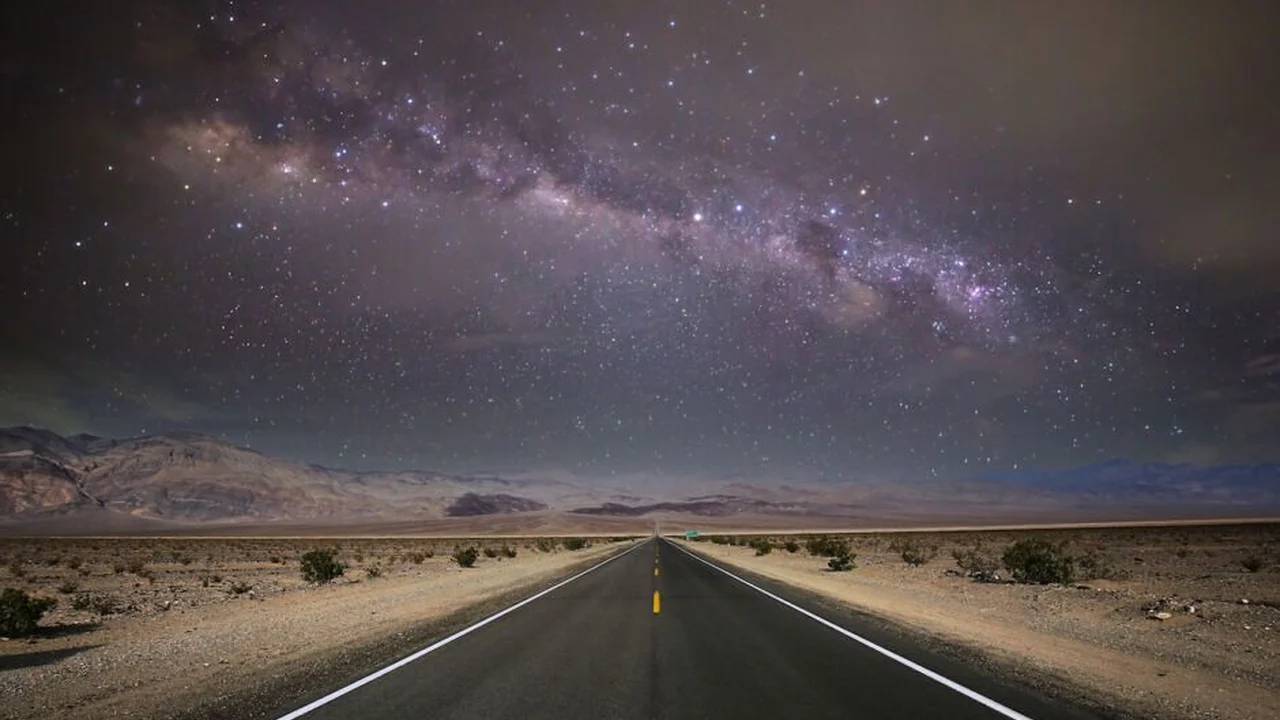
Death Valley National Park Extreme Beauty and Harsh Landscapes
Death Valley National Park is a land of extremes, from the lowest point in North America to towering mountain peaks. Here are some of the park's highlights:
- Badwater Basin: The lowest point in North America, at 282 feet below sea level.
- Zabriskie Point: Offering stunning views of the park's colorful badlands.
- Dantes View: Providing panoramic views of Death Valley.
- Mesquite Flat Sand Dunes: A vast expanse of sand dunes.
- Scotty's Castle: A historic mansion with a fascinating history.
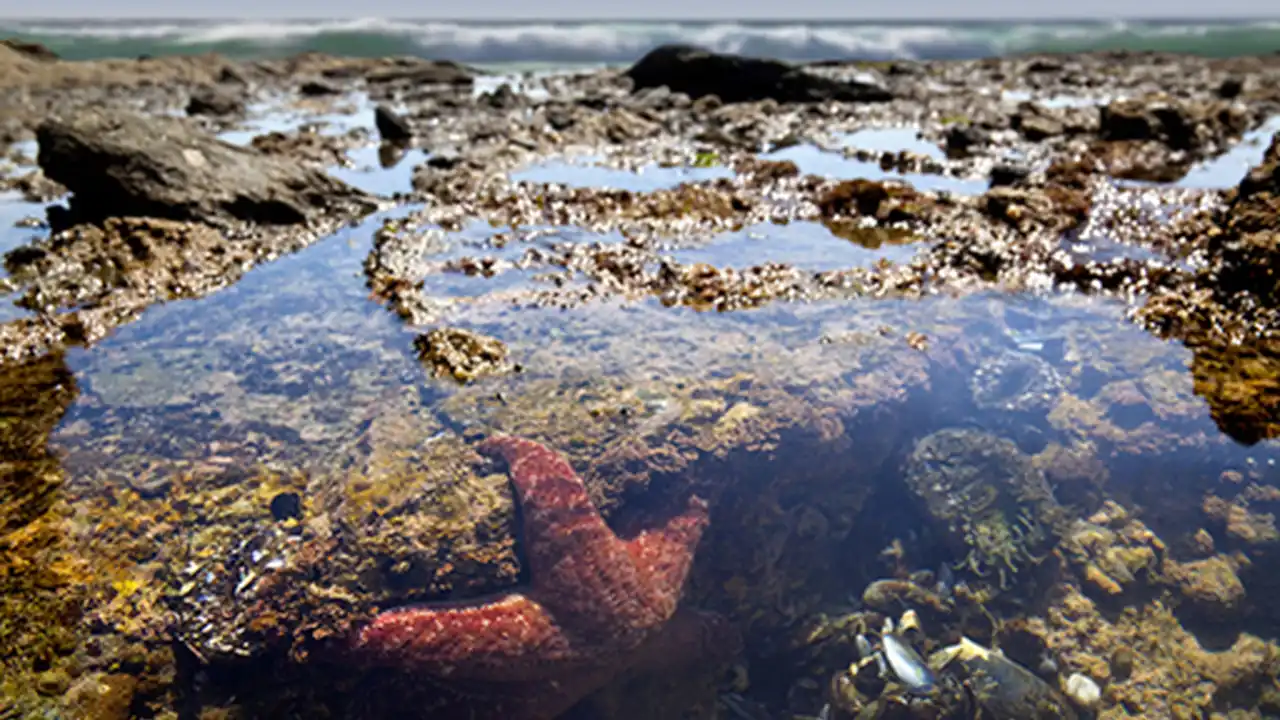
Channel Islands National Park Americas Galapagos
Channel Islands National Park, often referred to as "America's Galapagos," is a chain of five islands off the coast of Southern California. Each island boasts unique flora and fauna, offering a diverse range of experiences.
- Anacapa Island: Known for its seabird colonies and iconic lighthouse.
- Santa Cruz Island: The largest island, offering hiking trails, sea caves, and diverse wildlife.
- Santa Rosa Island: Featuring sandy beaches, rolling hills, and the rare Torrey pine.
- San Miguel Island: Home to vast seal and sea lion colonies.
- Santa Barbara Island: The smallest island, known for its unique plant life.
Redwood National and State Parks Towering Giants and Coastal Beauty
Redwood National and State Parks protect nearly half of all remaining old-growth redwood forests. These towering trees, some of the tallest living things on Earth, create an awe-inspiring experience.
- Lady Bird Johnson Grove: A scenic loop trail through a grove of old-growth redwoods.
- Tall Trees Grove: Home to some of the tallest trees in the world.
- Fern Canyon: A canyon with walls covered in ferns.
- Coastal Drives: Scenic drives along the Pacific coast with stunning views.
- Hiking Trails: Numerous hiking trails through redwood forests and along the coast.
Lassen Volcanic National Park Hydrothermal Wonders and Volcanic Landscapes
Lassen Volcanic National Park showcases a diverse range of volcanic landscapes, from bubbling mud pots to steaming fumaroles.
- Bumpass Hell: The largest hydrothermal area in the park.
- Lassen Peak: A dormant volcano that last erupted in 1914-1917.
- Lake Helen: A pristine alpine lake.
- Sulfur Works: A hydrothermal area with bubbling mud pots and steaming fumaroles.
- Cinder Cone: A volcanic cinder cone with colorful lava beds.
Pinnacles National Park Caves, Cliffs, and Condors
Pinnacles National Park is known for its unique rock formations, talus caves, and the California condor.
- Talus Caves: Caves formed by fallen rocks.
- High Peaks Trail: A challenging trail with stunning views of the park's rock formations.
- Bear Gulch Nature Center: Offering information about the park's geology and wildlife.
- California Condor Viewing: Pinnacles is a release site for California condors.
- Rock Climbing: Pinnacles is a popular destination for rock climbing.
Responsible Recreation in California National Parks Protecting Our Natural Heritage
When visiting California's national parks, it's important to practice responsible recreation to protect these natural treasures for future generations. Here are some tips:
- Leave No Trace: Pack out everything you pack in, and minimize your impact on the environment.
- Stay on Marked Trails: Avoid creating new trails or damaging vegetation.
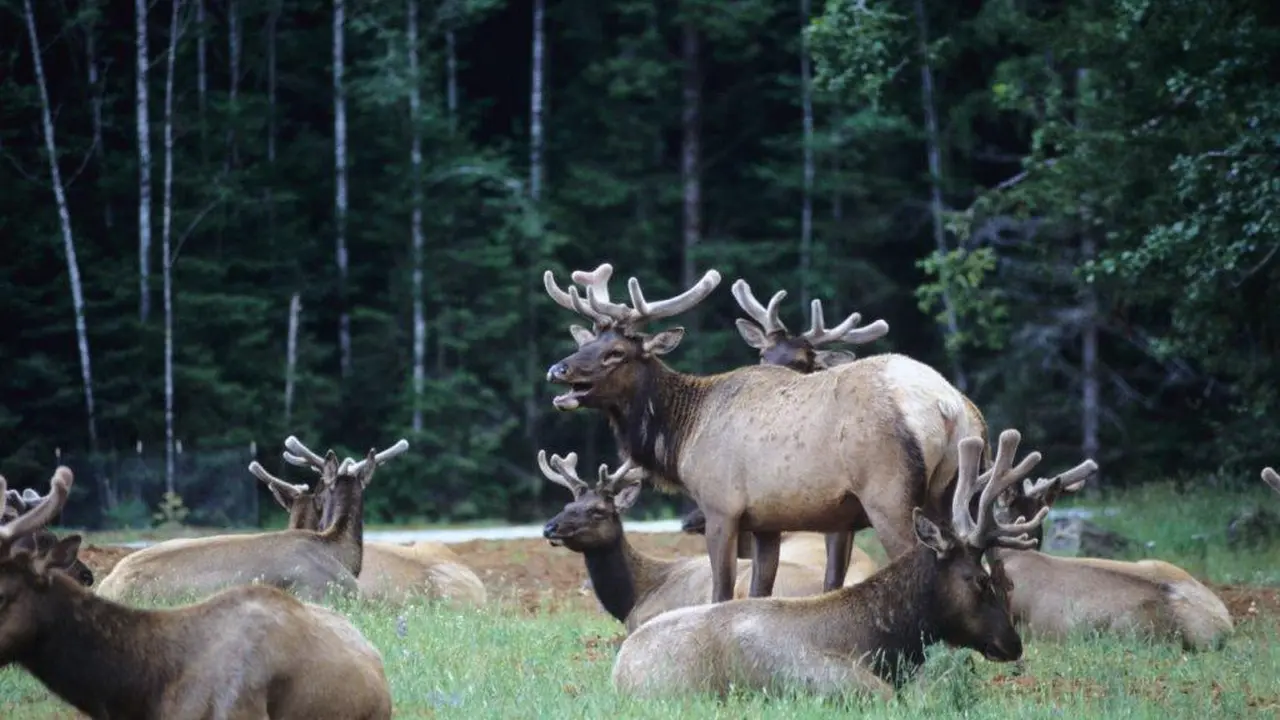
- Respect Wildlife: Observe wildlife from a distance, and never feed animals.
- Control Your Pets: Keep pets on a leash, and clean up after them.
- Be Fire Safe: Follow fire restrictions, and never leave a campfire unattended.
- Respect Cultural Resources: Do not disturb or remove artifacts or historical structures.
By following these guidelines, you can help ensure that California's national parks remain beautiful and accessible for everyone to enjoy.
:max_bytes(150000):strip_icc()/277019-baked-pork-chops-with-cream-of-mushroom-soup-DDMFS-beauty-4x3-BG-7505-5762b731cf30447d9cbbbbbf387beafa.jpg)