Photography Guide_ Capturing National Park Beauty
Discovering the Majestic Redwood Forests of California
Redwood National and State Parks nestled along the northern California coast represent a truly awe-inspiring natural wonder. These parks protect nearly half of all remaining old-growth redwood forests on Earth, offering visitors an unparalleled opportunity to immerse themselves in a landscape dominated by the tallest trees on the planet. Beyond the towering redwoods, the parks also encompass vast stretches of rugged coastline, pristine rivers, and diverse ecosystems, making them a haven for outdoor enthusiasts and nature lovers alike.
Planning Your Redwood National Park Adventure Essential Tips
Planning a trip to Redwood National and State Parks requires careful consideration to ensure a memorable and fulfilling experience. The parks are vast and diverse, offering a wide range of activities and attractions. Here are some essential tips to help you plan your redwood adventure:
- Best Time to Visit: The best time to visit Redwood National and State Parks is during the spring (April-May) and fall (September-October) months. These seasons offer pleasant weather, fewer crowds, and optimal conditions for hiking and exploring. Summer (June-August) can be crowded, and winter (November-March) can be wet and stormy.
- Reservations and Permits: Reservations are required for many campgrounds and some popular trails within the parks, especially during peak season. Check the official National Park Service website for the most up-to-date information on reservations and permits.
- What to Pack: Regardless of the time of year, it's essential to pack layers of clothing, as the weather in the redwood forests can be unpredictable. Be sure to include waterproof outerwear, sturdy hiking boots, sunscreen, insect repellent, and a hat.
- Where to Stay: Redwood National and State Parks offer a variety of lodging options, including campgrounds, hotels, and vacation rentals. Campgrounds range from primitive sites to those with full amenities. Hotels and vacation rentals are available in nearby towns such as Crescent City, Orick, and Arcata.
- Transportation: A car is the most convenient way to explore Redwood National and State Parks, as public transportation is limited. Be prepared for winding roads and limited parking at some trailheads.
Must-See Redwood National Park Attractions and Activities
Redwood National and State Parks are brimming with incredible sights and activities to suit every interest. Here are some of the must-see attractions and activities to include in your itinerary:
- Lady Bird Johnson Grove: This easy, self-guided loop trail winds through a stunning grove of old-growth redwoods, offering a peaceful and immersive experience.
- Tall Trees Grove: Home to some of the tallest trees on Earth, this grove requires a permit to visit and involves a moderate hike down to the grove.
- Stout Memorial Grove: Located in Jedediah Smith Redwoods State Park, this grove is easily accessible and features a beautiful loop trail along the Smith River.
- Fern Canyon: This unique canyon is lined with lush ferns and offers a memorable hiking experience.
- Coastal Drive: Take a scenic drive along the coast, stopping at overlooks and beaches to enjoy the breathtaking views.
- Hiking: With over 200 miles of trails, Redwood National and State Parks offer hiking opportunities for all skill levels.
- Camping: Spend a night or two camping among the redwoods for an unforgettable experience.
- Kayaking/Canoeing: Explore the rivers and estuaries of the parks by kayak or canoe.
- Wildlife Viewing: Keep an eye out for wildlife such as Roosevelt elk, black bears, and various bird species.
Hiking Among Giants Best Redwood National Park Trails
Hiking is undoubtedly one of the best ways to experience the majesty of Redwood National and State Parks. With a vast network of trails, there's something for everyone, from easy strolls to challenging backcountry treks. Here are some of the best hiking trails in the parks:
- Lady Bird Johnson Grove Trail: This easy, 1-mile loop trail is perfect for families and those looking for a gentle introduction to the redwood forests. The trail is paved and wheelchair accessible.
- Tall Trees Grove Trail: This moderate, 3.5-mile roundtrip hike leads down to a grove of some of the tallest trees on Earth. A permit is required to visit this grove.
- Stout Memorial Grove Trail: This easy, 0.5-mile loop trail winds through a beautiful grove of redwoods along the Smith River.
- Fern Canyon Loop Trail: This easy, 1-mile loop trail takes you through a unique canyon lined with lush ferns. Be prepared to get your feet wet.
- Enderts Beach Trail: This moderate, 3-mile roundtrip hike leads down to a secluded beach with tide pools and stunning coastal views.
- James Irvine Trail to Miners Ridge Trail Loop: This challenging, 12-mile loop trail offers a diverse experience, combining redwood forests with coastal scenery.
Capturing Redwood National Park Photography Tips and Gear
Redwood National and State Parks offer endless opportunities for stunning photography. The towering redwoods, rugged coastline, and diverse wildlife provide a wealth of subjects to capture. Here are some photography tips and gear recommendations to help you make the most of your redwood photography adventure:
- Best Time for Photography: The best time for photography in Redwood National and State Parks is during the early morning and late afternoon hours, when the light is soft and golden. Overcast days can also be ideal, as they provide even lighting and reduce harsh shadows.
- Essential Gear:
- Wide-Angle Lens: A wide-angle lens is essential for capturing the scale and grandeur of the redwood forests. A focal length of 16-35mm is ideal.
- Telephoto Lens: A telephoto lens is useful for photographing wildlife and capturing details in the distance. A focal length of 70-200mm or longer is recommended.
- Tripod: A tripod is essential for capturing sharp images in low light conditions, such as inside the redwood forests.
- Polarizing Filter: A polarizing filter can help reduce glare and reflections, enhance colors, and improve contrast.
- Neutral Density (ND) Filter: An ND filter can help reduce the amount of light entering the lens, allowing you to use slower shutter speeds to create motion blur effects.
- Camera Bag: A comfortable and waterproof camera bag is essential for carrying your gear.
- Photography Tips:
- Look Up: Don't forget to look up and capture the towering canopy of the redwood forests.
- Use Leading Lines: Use leading lines, such as trails or rivers, to draw the viewer's eye into the scene.
- Include a Human Element: Including a person in your photos can help to convey the scale of the redwoods.
- Pay Attention to the Light: The light in the redwood forests can be challenging, so pay attention to how it affects your images.
- Be Patient: Wildlife photography requires patience. Be prepared to wait for the right moment to capture your shot.
Redwood National Park Camping Under the Stars Among Giants
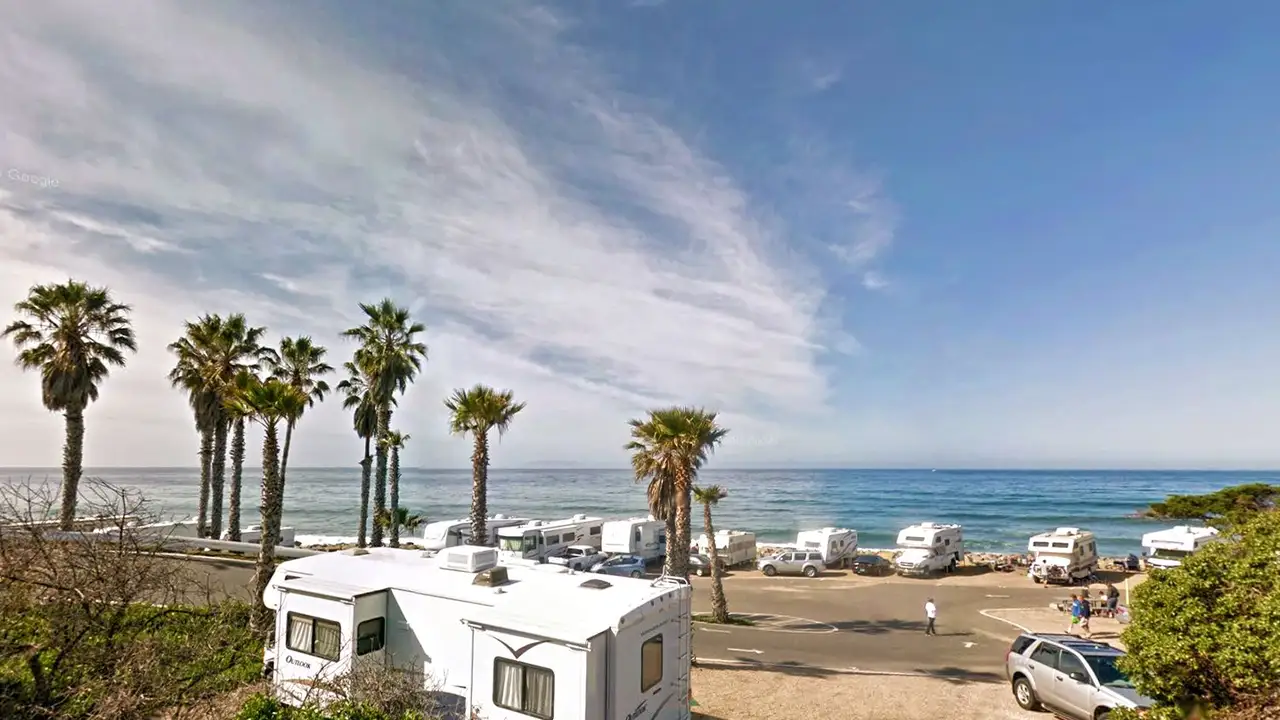
Camping in Redwood National and State Parks is an unforgettable experience. Imagine falling asleep under the stars surrounded by the towering redwoods, listening to the sounds of nature. The parks offer a variety of campgrounds to suit different needs and preferences. Here's a guide to camping in Redwood National and State Parks:
- Campground Options:
- Jedediah Smith Campground: Located in Jedediah Smith Redwoods State Park, this campground offers 87 campsites with amenities such as flush toilets, showers, and a dump station.
- Mill Creek Campground: Located in Del Norte Coast Redwoods State Park, this campground offers 145 campsites with amenities such as flush toilets, showers, and a dump station.
- Elk Prairie Campground: Located in Prairie Creek Redwoods State Park, this campground offers 75 campsites with amenities such as flush toilets and showers.
- Gold Bluffs Beach Campground: Located on Gold Bluffs Beach, this campground offers 26 campsites with pit toilets and no hookups.
- Several Backcountry Camping Options: For the more adventurous, backcountry camping is permitted in designated areas of the parks. A permit is required.
- Reservations: Reservations are highly recommended, especially during peak season. Reservations can be made online through Recreation.gov.
- What to Bring:
- Tent: A sturdy tent is essential for protecting you from the elements.
- Sleeping Bag: Choose a sleeping bag that is appropriate for the temperature range you expect to encounter.
- Sleeping Pad: A sleeping pad will provide insulation and comfort.
- Cooking Gear: Bring a camp stove, cookware, and utensils for preparing meals.
- Food and Water: Pack enough food and water for your entire trip.
- Headlamp or Flashlight: A headlamp or flashlight is essential for navigating around the campground at night.
- First-Aid Kit: Bring a well-stocked first-aid kit.
- Bear Canister: Bear canisters are required for storing food in some areas of the parks.
- Camping Tips:
- Store Food Properly: Store food in bear canisters or hang it from a tree to prevent attracting bears.
- Leave No Trace: Pack out everything you pack in and leave the campsite cleaner than you found it.
- Be Aware of Wildlife: Be aware of wildlife such as bears, elk, and mountain lions.
- Respect the Environment: Stay on designated trails and avoid disturbing the vegetation.
Exploring Redwood National Park with Children Family-Friendly Activities
Redwood National and State Parks are a fantastic destination for families with children. The towering redwoods, scenic trails, and abundant wildlife offer a unique and educational experience. Here are some family-friendly activities to enjoy in the parks:
- Junior Ranger Program: The Junior Ranger Program is a great way for kids to learn about the parks and earn a badge. Pick up a Junior Ranger booklet at the visitor center and complete the activities.
- Easy Hikes: Choose easy hikes that are suitable for young children, such as the Lady Bird Johnson Grove Trail or the Stout Memorial Grove Trail.
- Beach Exploration: Spend time exploring the beaches and tide pools along the coast.
- Wildlife Viewing: Keep an eye out for wildlife such as Roosevelt elk, black bears, and various bird species.
- Visitor Centers: Visit the visitor centers to learn about the history, ecology, and geology of the parks.
- Campfire Programs: Attend a campfire program to learn about the parks and listen to stories.
Redwood National Park Accessibility Options for All Visitors
Redwood National and State Parks are committed to providing accessibility for all visitors. The parks offer a variety of accessible features and programs to ensure that everyone can enjoy the beauty of the redwoods. Here are some accessibility options available in the parks:
- Accessible Trails: Several trails in the parks are accessible to wheelchairs and other mobility devices, including the Lady Bird Johnson Grove Trail and portions of the Coastal Trail.
- Accessible Campgrounds: Some campgrounds in the parks have accessible campsites with amenities such as accessible restrooms and picnic tables.
- Accessible Restrooms: Accessible restrooms are available at visitor centers and some campgrounds.
- Assistive Listening Devices: Assistive listening devices are available for ranger programs and presentations.
- Braille and Large Print Materials: Braille and large print materials are available at visitor centers.
- Audio Descriptions: Audio descriptions are available for some exhibits and films.
- Service Animals: Service animals are welcome in the parks.
Gear Recommendations for Redwood National Park Adventures
Having the right gear can make all the difference in your Redwood National Park experience. Here are some product recommendations to help you prepare for your trip:
Hiking Boots
A good pair of hiking boots is essential for exploring the trails of Redwood National Park. Look for boots that are waterproof, supportive, and comfortable. Here are a few recommendations:
* Merrell Moab 2 Vent: A popular and affordable hiking boot that is known for its comfort and durability. Price: $100-130 * Salomon X Ultra 4 GTX: A lightweight and waterproof hiking boot that is perfect for day hikes. Price: $130-160 * Lowa Renegade GTX Mid: A high-quality hiking boot that is known for its support and stability. Price: $230-260Use Cases: Hiking on various terrains, providing ankle support, keeping feet dry in wet conditions.
Product Comparison: The Merrell Moab 2 Vent is a great budget-friendly option, while the Salomon X Ultra 4 GTX offers better waterproofing and the Lowa Renegade GTX Mid provides superior support.
Rain Gear
The weather in Redwood National Park can be unpredictable, so it's essential to bring rain gear. Look for a waterproof and breathable jacket and pants. Here are a few recommendations:
* REI Co-op Rainier Rain Jacket: A lightweight and affordable rain jacket that is perfect for hiking and camping. Price: $90-120 * Outdoor Research Helium Rain Jacket: An ultralight and packable rain jacket that is ideal for backpacking. Price: $160-190 * Arc'teryx Beta AR Jacket: A high-quality and durable rain jacket that is designed for all-weather conditions. Price: $500-600Use Cases: Protection from rain and wind, maintaining body temperature in cold and wet conditions.
Product Comparison: The REI Co-op Rainier Rain Jacket is a good value option, while the Outdoor Research Helium Rain Jacket is more packable and the Arc'teryx Beta AR Jacket offers superior performance and durability.
Backpacks
A comfortable and well-fitting backpack is essential for carrying your gear on hikes. Choose a backpack that is the right size for your needs and has features such as adjustable straps, a hip belt, and a sternum strap. Here are a few recommendations:
* Osprey Talon 22 (Men's) / Tempest 20 (Women's): A versatile daypack that is perfect for hiking and other outdoor activities. Price: $120-150 * Deuter Aircontact Lite 65+10: A comfortable and supportive backpacking pack that is ideal for multi-day trips. Price: $200-250 * Gregory Baltoro 65 (Men's) / Deva 60 (Women's): A high-quality backpacking pack that is known for its comfort and durability. Price: $300-350Use Cases: Carrying gear for day hikes or multi-day backpacking trips, distributing weight evenly, providing comfortable carrying experience.
Product Comparison: The Osprey Talon/Tempest is a great daypack option, while the Deuter Aircontact Lite is a good value backpacking pack and the Gregory Baltoro/Deva offers superior comfort and features.
Binoculars
Binoculars are essential for wildlife viewing in Redwood National Park. Look for binoculars that are lightweight, waterproof, and have good magnification. Here are a few recommendations:
* Nikon ProStaff 3S 8x42: A popular and affordable binocular that is known for its clarity and brightness. Price: $130-160 * Vortex Diamondback HD 8x42: A high-quality binocular that offers excellent performance and durability. Price: $200-250 * Leica Trinovid HD 8x42: A premium binocular that provides exceptional image quality and ergonomics. Price: $1000-1200Use Cases: Observing wildlife from a distance, enhancing visibility of distant objects, enjoying scenic views.
Product Comparison: The Nikon ProStaff 3S is a great budget-friendly option, while the Vortex Diamondback HD offers better performance and the Leica Trinovid HD provides superior image quality.
Water Filters
If you plan on hiking or camping in Redwood National Park, it's important to have a reliable water filter. Look for a filter that is lightweight, easy to use, and removes bacteria and protozoa. Here are a few recommendations:
* Sawyer Squeeze Water Filter: A lightweight and versatile water filter that can be used in a variety of ways. Price: $30-40 * LifeStraw Personal Water Filter: A simple and affordable water filter that is perfect for emergency situations. Price: $20-30 * Katadyn BeFree 1.0L Water Filter Bottle: A convenient water filter bottle that is easy to use and carry. Price: $40-50Use Cases: Filtering water from natural sources, ensuring safe drinking water during outdoor activities.
Product Comparison: The Sawyer Squeeze is a versatile and reliable option, while the LifeStraw is a good emergency option and the Katadyn BeFree is a convenient all-in-one solution.
Protecting Redwood National Park Conservation Efforts and How You Can Help
Redwood National and State Parks are facing numerous threats, including climate change, habitat loss, and invasive species. It's essential to support conservation efforts to protect these magnificent forests for future generations. Here are some ways you can help:
- Donate to Conservation Organizations: Support organizations such as the Redwood National Park Association and Save the Redwoods League, which are working to protect the redwood forests.
- Volunteer: Volunteer your time to help with trail maintenance, habitat restoration, and other conservation projects.
- Practice Leave No Trace Principles: Pack out everything you pack in, stay on designated trails, and avoid disturbing the vegetation.
- Reduce Your Carbon Footprint: Take steps to reduce your carbon footprint, such as using public transportation, conserving energy, and eating locally.
- Educate Others: Share your knowledge and passion for the redwood forests with others.
By taking these steps, you can help ensure that Redwood National and State Parks remain a natural treasure for generations to come.
:max_bytes(150000):strip_icc()/277019-baked-pork-chops-with-cream-of-mushroom-soup-DDMFS-beauty-4x3-BG-7505-5762b731cf30447d9cbbbbbf387beafa.jpg)