Joshua Tree vs. Death Valley_ Desert Showdown
Exploring the Majestic California Deserts A Comprehensive Introduction
California boasts a diverse landscape, and among its most captivating regions are its deserts. From the iconic Joshua Tree National Park to the stark beauty of Death Valley National Park, these arid landscapes offer unique experiences for adventurers, nature enthusiasts, and anyone seeking respite from the bustling city life. This article delves into a detailed comparison of Joshua Tree and Death Valley, highlighting their distinct features, activities, and the gear you need to make the most of your desert adventure.
Joshua Tree National Park Unveiling its Unique Charm
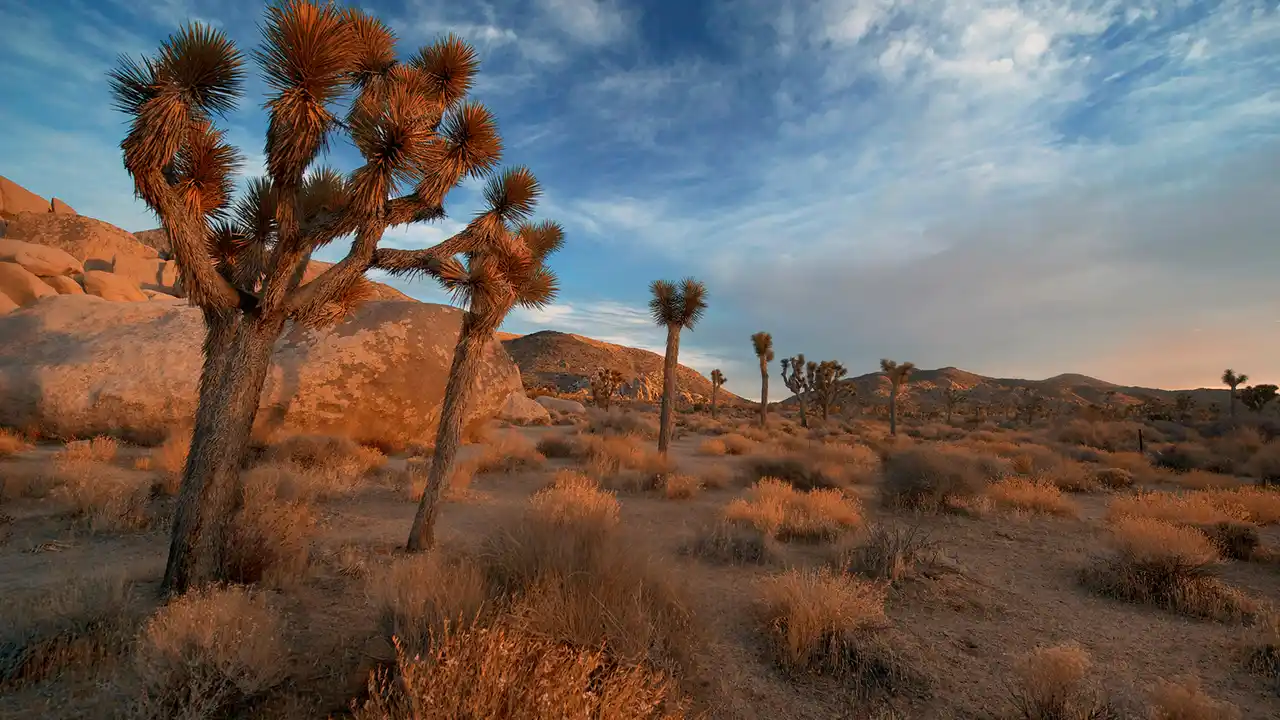
Joshua Tree National Park, named after the distinctive Joshua trees that dot its landscape, is a desert wonderland where the Mojave and Colorado Deserts meet. This park is renowned for its surreal rock formations, stunning sunsets, and vibrant desert ecosystem. Let's explore what makes Joshua Tree a must-visit destination.
Iconic Joshua Trees A Symbol of the Mojave Desert
The Joshua tree, a member of the agave family, is the park's namesake and a true icon of the Mojave Desert. These quirky trees, with their bristly leaves and unusual shapes, create a unique and otherworldly landscape. They are especially beautiful during the spring bloom, when they are adorned with white, creamy flowers.
World-Class Rock Climbing and Bouldering Adventures
Joshua Tree is a mecca for rock climbers and boulderers from around the world. With over 8,000 climbing routes and countless bouldering problems, the park offers challenges for climbers of all skill levels. The rough, textured granite provides excellent grip, and the stunning desert scenery adds to the overall experience.
Product Recommendation: Black Diamond Momentum Climbing Package
For beginners getting into rock climbing, the Black Diamond Momentum Climbing Package is an excellent choice. It includes a comfortable harness, belay device, carabiner, and chalk bag, providing everything you need to get started safely and affordably. Use Case: This package is perfect for introductory climbing courses or for climbers who are just starting to explore outdoor routes. Pricing: Approximately $99.95. Detailed Information: The harness features Dual Core Construction for comfort, and the belay device is easy to use, making it a great option for beginners.
Hiking Trails for All Skill Levels Scenic Desert Vistas
Whether you're a seasoned hiker or a casual walker, Joshua Tree offers a variety of hiking trails to suit your preferences. From easy nature walks to challenging backcountry hikes, there's something for everyone. Popular trails include Hidden Valley Nature Trail, Barker Dam Nature Trail, and the strenuous Ryan Mountain Trail, which rewards hikers with panoramic views.
Product Recommendation: Osprey Talon 22 Hiking Backpack
For day hikes in Joshua Tree, the Osprey Talon 22 is a versatile and comfortable backpack. It's lightweight yet durable, with plenty of room for water, snacks, and extra layers. Use Case: Ideal for hikes ranging from a few hours to a full day. Pricing: Approximately $130. Detailed Information: Features include a comfortable AirScape backpanel for ventilation, a hydration reservoir sleeve, and multiple pockets for organization.
Stargazing Under Dark Skies A Celestial Paradise
Joshua Tree is renowned for its exceptionally dark skies, making it a prime location for stargazing. Away from the light pollution of urban areas, you can witness the Milky Way in all its glory, along with countless stars, planets, and constellations. Consider joining a ranger-led astronomy program or simply finding a quiet spot to enjoy the celestial show.
Product Recommendation: Celestron SkyMaster 25x70 Binoculars
To enhance your stargazing experience, consider using the Celestron SkyMaster 25x70 Binoculars. These binoculars offer excellent light-gathering capabilities and a wide field of view, allowing you to see more stars and celestial objects. Use Case: Perfect for observing planets, nebulae, and star clusters. Pricing: Approximately $89.95. Detailed Information: Features large objective lenses for bright images and a sturdy construction for durability.
Camping Under the Stars Immersive Desert Experiences
Camping is a popular activity in Joshua Tree, allowing you to immerse yourself in the park's natural beauty. The park offers several campgrounds, ranging from developed sites with amenities to more primitive backcountry camping options. Be sure to reserve your campsite in advance, especially during peak season.
Product Recommendation: Coleman Sundome 2-Person Tent
For a comfortable camping experience, the Coleman Sundome 2-Person Tent is a reliable and affordable option. It's easy to set up and provides ample space for two people. Use Case: Suitable for car camping and backpacking trips. Pricing: Approximately $49.99. Detailed Information: Features a WeatherTec system to keep you dry in wet conditions and a durable frame for stability.
Death Valley National Park Exploring Extremes and Wonders
Death Valley National Park, the hottest, driest, and lowest national park in the United States, is a land of extremes and breathtaking beauty. From the vibrant colors of Zabriskie Point to the vast salt flats of Badwater Basin, Death Valley offers a unique and unforgettable experience. Let's delve into the wonders of this remarkable park.
Badwater Basin Descending to the Lowest Point in North America
Badwater Basin, located 282 feet below sea level, is the lowest point in North America. This vast salt flat is a surreal and otherworldly landscape, formed by the evaporation of ancient lakes. The salt crystals create intricate patterns on the ground, and the surrounding mountains provide a dramatic backdrop.
Zabriskie Point A Kaleidoscope of Colors and Erosion
Zabriskie Point is a photographer's dream, offering stunning views of the park's colorful badlands. The eroded landscape is a testament to the power of water and wind, and the vibrant hues of the rock formations create a mesmerizing spectacle, especially during sunrise and sunset.
Mesquite Flat Sand Dunes A Sea of Sand in the Desert
The Mesquite Flat Sand Dunes are the largest and most accessible sand dunes in Death Valley. These towering dunes offer a playground for sandboarding, hiking, and photography. The shifting sands create ever-changing patterns, and the surrounding mountains provide a dramatic contrast to the sandy landscape.
Product Recommendation: Sandboard Zone Sandboard
For an exhilarating experience on the Mesquite Flat Sand Dunes, consider using a Sandboard Zone Sandboard. These boards are designed specifically for sandboarding and offer excellent control and speed. Use Case: Ideal for riding down the dunes and enjoying the thrill of sandboarding. Pricing: Approximately $129.99. Detailed Information: Features a durable construction and a smooth base for optimal performance.
Dante's View Panoramic Views of Death Valley
Dante's View offers arguably the best panoramic views of Death Valley. From this vantage point, you can see Badwater Basin, Telescope Peak, and the vast expanse of the park. The view is particularly stunning during sunrise and sunset, when the colors of the landscape are at their most vibrant.
Furnace Creek Visitor Center Learning About Death Valley's History and Ecology
The Furnace Creek Visitor Center is a great place to start your visit to Death Valley. Here, you can learn about the park's history, geology, and ecology. The visitor center also offers ranger-led programs, exhibits, and a bookstore where you can purchase maps, guides, and souvenirs.
Joshua Tree vs Death Valley A Detailed Comparison
Now that we've explored the unique features of Joshua Tree and Death Valley, let's compare these two desert destinations in more detail.
Landscape and Scenery Contrasting Desert Environments
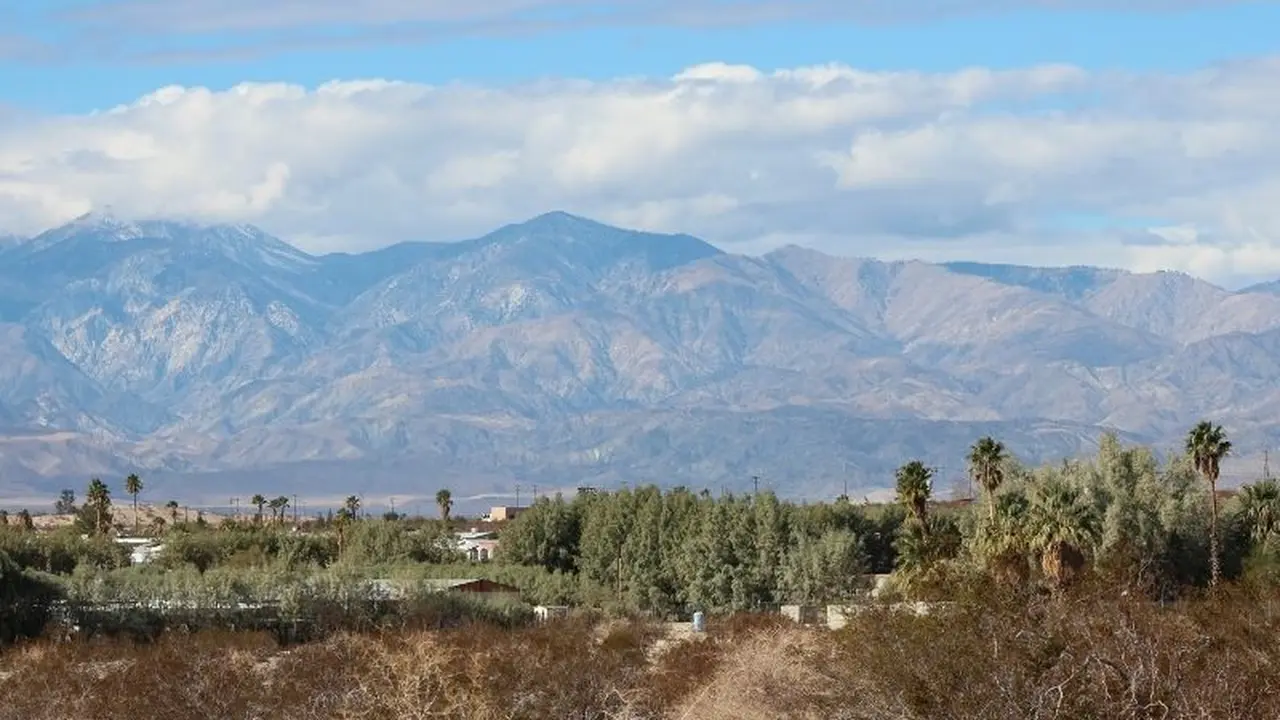
Joshua Tree is characterized by its iconic Joshua trees, surreal rock formations, and rolling hills. The landscape is more varied and lush compared to Death Valley. Death Valley, on the other hand, is a land of extremes, with vast salt flats, towering sand dunes, and rugged mountains. The landscape is more barren and dramatic.
Activities and Recreation Diverse Opportunities for Adventure
Joshua Tree offers a wider range of activities, including rock climbing, bouldering, hiking, camping, and stargazing. Death Valley is more focused on sightseeing, hiking, and exploring its unique geological features. Sandboarding is a popular activity in Death Valley, while rock climbing is more prominent in Joshua Tree.
Climate and Weather Understanding the Desert Heat
Both Joshua Tree and Death Valley experience extreme temperatures, especially during the summer months. However, Death Valley is generally hotter and drier than Joshua Tree. Temperatures in Death Valley can soar above 120 degrees Fahrenheit in the summer, while Joshua Tree's temperatures are typically slightly milder. It's crucial to be prepared for the heat and to drink plenty of water when visiting either park.
Accessibility and Logistics Planning Your Trip
Joshua Tree is located closer to major urban areas like Los Angeles and San Diego, making it more accessible. Death Valley is more remote and requires a longer drive. Both parks offer lodging and camping options, but it's essential to book in advance, especially during peak season.
Crowds and Visitation Avoiding the Tourist Rush
Joshua Tree has become increasingly popular in recent years, leading to larger crowds, especially during weekends and holidays. Death Valley, being more remote, tends to be less crowded. If you're looking for a more solitary experience, Death Valley may be a better choice.
Essential Gear for Your Desert Adventure Preparing for the Elements
Whether you're visiting Joshua Tree or Death Valley, it's crucial to be prepared for the desert environment. Here's a list of essential gear to bring on your adventure:
Hydration Staying Hydrated in the Arid Landscape
Water is your most important resource in the desert. Bring plenty of water and drink it regularly, even if you don't feel thirsty. A good rule of thumb is to drink at least one gallon of water per day. Consider using a hydration reservoir or carrying multiple water bottles.
Product Recommendation: CamelBak Crux 3L Hydration Reservoir
The CamelBak Crux 3L Hydration Reservoir is a reliable and convenient way to stay hydrated on the trail. It holds up to 3 liters of water and features a self-sealing bite valve for easy drinking. Use Case: Perfect for hiking, backpacking, and other outdoor activities. Pricing: Approximately $35. Detailed Information: Features a QuickLink system for easy filling and cleaning.
Sun Protection Shielding Yourself from the Harsh Rays
The desert sun can be intense, so it's essential to protect yourself from the harmful UV rays. Wear a wide-brimmed hat, sunglasses, and sunscreen with a high SPF. Reapply sunscreen regularly, especially after sweating or swimming.
Product Recommendation: Sun Bum Original SPF 50 Sunscreen Lotion
Sun Bum Original SPF 50 Sunscreen Lotion is a popular choice for outdoor enthusiasts. It's water-resistant, reef-friendly, and provides broad-spectrum protection against UVA and UVB rays. Use Case: Suitable for all skin types and activities. Pricing: Approximately $15. Detailed Information: Features a pleasant scent and is free of parabens and oxybenzone.
Appropriate Clothing Dressing for the Desert Climate
Wear lightweight, breathable clothing that covers your skin to protect you from the sun. Long-sleeved shirts and pants are ideal. Avoid dark colors, which absorb more heat. Bring a light jacket or sweater for cooler evenings.
Product Recommendation: Columbia Silver Ridge Lite Long Sleeve Shirt
The Columbia Silver Ridge Lite Long Sleeve Shirt is a lightweight and breathable shirt that provides excellent sun protection. It features Omni-Shade UPF 40 sun protection and Omni-Wick technology to wick away moisture. Use Case: Ideal for hiking, camping, and other outdoor activities. Pricing: Approximately $40. Detailed Information: Features a comfortable fit and multiple pockets for storage.
Navigation Tools Staying on Track in the Wilderness
Bring a map and compass or a GPS device to help you navigate the desert. Familiarize yourself with the trails and be aware of your surroundings. Consider downloading offline maps to your smartphone in case you lose cell service.
Product Recommendation: Garmin GPSMAP 64sx Handheld GPS
The Garmin GPSMAP 64sx Handheld GPS is a reliable and durable GPS device that's perfect for navigating in the wilderness. It features a sunlight-readable color display, preloaded topographic maps, and long battery life. Use Case: Ideal for hiking, backpacking, and other outdoor adventures. Pricing: Approximately $299.99. Detailed Information: Features a high-sensitivity GPS receiver and support for GLONASS and Galileo satellites.
First-Aid Kit Preparing for Minor Injuries
Pack a well-stocked first-aid kit to treat minor injuries such as cuts, scrapes, and blisters. Include essentials such as bandages, antiseptic wipes, pain relievers, and blister treatment. Consider taking a wilderness first-aid course to learn how to handle more serious injuries.
Product Recommendation: Adventure Medical Kits Ultralight Watertight .7 Medical Kit
The Adventure Medical Kits Ultralight Watertight .7 Medical Kit is a compact and lightweight first-aid kit that's perfect for backpacking and hiking. It includes essential supplies for treating minor injuries and illnesses. Use Case: Ideal for day hikes and overnight trips. Pricing: Approximately $25. Detailed Information: Features a waterproof bag and a comprehensive first-aid guide.
Making the Most of Your Desert Experience Tips and Considerations
Here are some additional tips to help you make the most of your desert adventure:
Check the Weather Forecast Staying Informed About Conditions
Before you head out, check the weather forecast for the area you'll be visiting. Be aware of potential hazards such as extreme heat, flash floods, and thunderstorms. Adjust your plans accordingly.
Start Early in the Day Avoiding the Midday Heat
The best time to explore the desert is early in the morning or late in the afternoon, when the temperatures are cooler. Avoid strenuous activities during the hottest part of the day.
Tell Someone Your Plans Ensuring Safety
Before you head out on a hike or camping trip, tell someone your plans and when you expect to return. This will help ensure that someone knows where you are and can alert authorities if you don't return as planned.
Leave No Trace Protecting the Desert Environment
Practice Leave No Trace principles to minimize your impact on the desert environment. Pack out everything you pack in, stay on designated trails, and avoid disturbing wildlife. Respect the natural beauty of the desert and help preserve it for future generations.
Respect Wildlife Observing from a Distance
The desert is home to a variety of wildlife, including lizards, snakes, birds, and mammals. Observe wildlife from a distance and avoid approaching or feeding them. Be aware of your surroundings and watch out for snakes, especially in rocky areas.
Be Aware of Flash Flood Risks Staying Safe During Storms
Flash floods can occur in the desert, even when it's not raining directly overhead. Be aware of the potential for flash floods and avoid hiking in canyons or washes during periods of heavy rain.
Final Thoughts Embracing the Desert's Unique Beauty
Whether you choose to explore the surreal landscapes of Joshua Tree or the extreme environments of Death Valley, a desert adventure is an unforgettable experience. By being prepared, respecting the environment, and embracing the unique beauty of the desert, you can create memories that will last a lifetime. So pack your bags, grab your gear, and get ready to discover the magic of the California deserts.
:max_bytes(150000):strip_icc()/277019-baked-pork-chops-with-cream-of-mushroom-soup-DDMFS-beauty-4x3-BG-7505-5762b731cf30447d9cbbbbbf387beafa.jpg)