Mojave Desert_ A Harsh but Beautiful Landscape

Discover the awe-inspiring Redwood Forests of California delve into their unique ecosystem learn about the towering trees and the diverse life they support explore recommended products for your redwood forest adventure and understand their uses and comparisons.
Understanding California Redwood Forests A Thriving Ecosystem
The Redwood Forests of California are a truly remarkable natural wonder. These ancient forests are home to some of the tallest and oldest trees on Earth creating a unique and complex ecosystem that supports a wide array of plant and animal life. Understanding the intricacies of this ecosystem is crucial for appreciating its beauty and importance.
The dominant species in these forests is the Coast Redwood (Sequoia sempervirens). These trees can live for hundreds even thousands of years reaching heights of over 350 feet. Their massive size and longevity make them a symbol of resilience and the enduring power of nature. The Redwood's thick bark protects it from fire and insects contributing to its long lifespan.
The Redwood forest ecosystem is characterized by a dense canopy of redwood trees which filters sunlight and creates a humid microclimate. This environment supports a rich understory of ferns shrubs and other plants. The forest floor is covered in a thick layer of decaying organic matter which provides nutrients for the plants and supports a diverse community of fungi and invertebrates.
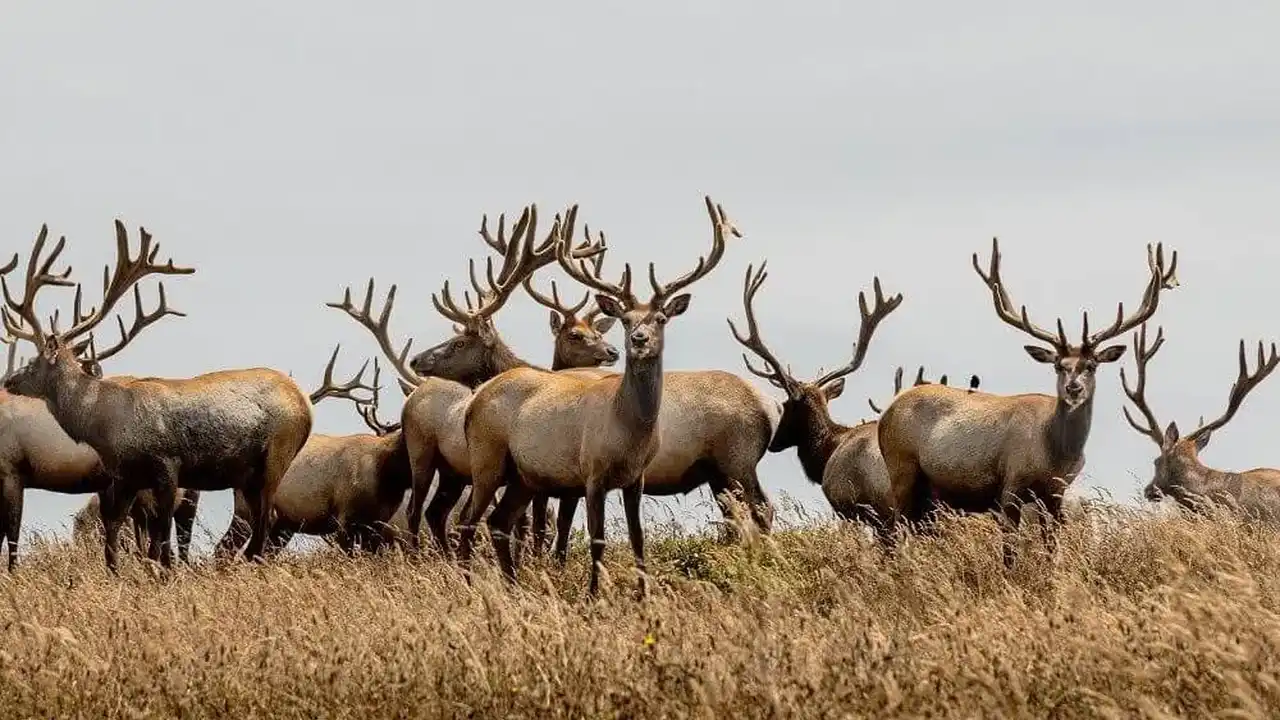
The Redwood forests also provide habitat for a variety of animal species including the Northern Spotted Owl Roosevelt Elk and Banana Slug. These animals have adapted to the unique conditions of the redwood forest and play important roles in the ecosystem.
The Importance of Redwood Forests Biodiversity and Conservation
Redwood forests are not only beautiful they are also incredibly important for biodiversity and conservation. These forests provide a haven for a wide range of species many of which are found nowhere else on Earth. They also play a crucial role in regulating water cycles sequestering carbon and preventing soil erosion.
The biodiversity of Redwood forests is threatened by habitat loss fragmentation and climate change. Logging has significantly reduced the extent of old-growth redwood forests and the remaining forests are often fragmented by roads and development. Climate change is also impacting redwood forests with rising temperatures and changes in precipitation patterns potentially affecting the health and survival of redwood trees.
Conservation efforts are essential for protecting Redwood forests and the biodiversity they support. These efforts include preserving old-growth forests restoring degraded forests and managing forests sustainably. Organizations such as the Save the Redwoods League and the National Park Service are working to protect Redwood forests for future generations.
Essential Gear for Exploring Redwood Forests Hiking and Camping Recommendations
Planning a trip to the Redwood Forests requires careful consideration of the unique environment. Proper gear and preparation can enhance your experience and ensure your safety. Here are some essential items to consider:
- Hiking Boots: Sturdy waterproof hiking boots are essential for navigating the often-uneven terrain of the redwood forests. Look for boots with good ankle support and traction.
- Rain Gear: The Redwood forests are known for their frequent rainfall so pack a waterproof jacket and pants.
- Layers: The temperature in the redwood forests can vary greatly depending on the time of day and the weather. Dress in layers so you can adjust your clothing as needed.
- Backpack: A comfortable backpack is essential for carrying water snacks and other essentials.
- Water Bottle or Hydration Pack: Staying hydrated is crucial especially during long hikes.
- Navigation Tools: A map and compass or GPS device can help you navigate the redwood forests.
- First-Aid Kit: A well-stocked first-aid kit is essential for treating minor injuries.
- Insect Repellent: Mosquitoes and other insects can be common in the redwood forests.
- Sunscreen: Even on cloudy days sunscreen is important for protecting your skin from the sun.
- Camera: Don't forget your camera to capture the beauty of the Redwood forests.
Recommended Products for Redwood Forest Adventures Detailed Reviews and Comparisons
Here are some specific product recommendations for your Redwood forest adventure with detailed reviews and comparisons:
Hiking Boots: Salomon X Ultra 4 GTX vs Merrell Moab 2 Vent
Salomon X Ultra 4 GTX: These boots are known for their excellent stability and support making them ideal for hiking on uneven terrain. They are also waterproof thanks to the Gore-Tex membrane. However they can be a bit expensive.
Merrell Moab 2 Vent: These boots are a more affordable option that still provides good comfort and support. They are also breathable thanks to the mesh lining. However they are not as waterproof as the Salomon X Ultra 4 GTX.
Comparison: If you prioritize waterproofness and stability the Salomon X Ultra 4 GTX are the better choice. If you are on a budget and prioritize breathability the Merrell Moab 2 Vent are a good option.
Pricing: Salomon X Ultra 4 GTX: $150-$180. Merrell Moab 2 Vent: $100-$130.
Rain Gear: Arc'teryx Beta AR Jacket vs Patagonia Torrentshell 3L Jacket
Arc'teryx Beta AR Jacket: This jacket is known for its exceptional waterproofness and breathability. It is also very durable and well-made. However it is one of the most expensive rain jackets on the market.
Patagonia Torrentshell 3L Jacket: This jacket is a more affordable option that still provides good waterproofness and breathability. It is also made from recycled materials. However it is not as durable as the Arc'teryx Beta AR Jacket.
Comparison: If you prioritize waterproofness breathability and durability the Arc'teryx Beta AR Jacket is the better choice. If you are on a budget and prioritize sustainability the Patagonia Torrentshell 3L Jacket is a good option.
Pricing: Arc'teryx Beta AR Jacket: $500-$600. Patagonia Torrentshell 3L Jacket: $150-$200.
Backpacks: Osprey Atmos AG 65 vs Gregory Baltoro 65
Osprey Atmos AG 65: This backpack is known for its comfortable Anti-Gravity suspension system which helps to distribute weight evenly. It is also very durable and well-made. However it can be a bit heavy.
Gregory Baltoro 65: This backpack is another excellent option with a comfortable suspension system and plenty of features. It is also very durable. However it can be a bit expensive.
Comparison: Both backpacks are excellent choices. The Osprey Atmos AG 65 is known for its Anti-Gravity suspension while the Gregory Baltoro 65 is known for its durability and features. Choose the one that best fits your needs and preferences.
Pricing: Osprey Atmos AG 65: $300-$350. Gregory Baltoro 65: $320-$370.
Redwood Forest Photography Tips Capturing the Majestic Beauty
Photographing the Redwood forests can be challenging due to the low light conditions and the sheer scale of the trees. However with the right techniques you can capture stunning images that showcase the beauty of these majestic forests.
- Use a Wide-Angle Lens: A wide-angle lens is essential for capturing the towering height of the redwood trees.
- Shoot in RAW Format: Shooting in RAW format gives you more flexibility when editing your photos.
- Use a Tripod: A tripod is essential for capturing sharp images in low light conditions.
- Pay Attention to Composition: Use leading lines and other compositional techniques to guide the viewer's eye through the scene.
- Look for Interesting Light: The light in the redwood forests can be very dramatic. Look for shafts of sunlight filtering through the trees.
- Focus on Details: Don't forget to capture the details of the redwood forest such as the texture of the bark and the intricate patterns of the ferns.
- Experiment with Different Perspectives: Try shooting from different angles to find the most compelling perspective.
- Be Patient: The best light and conditions often occur at dawn and dusk. Be patient and wait for the right moment.
Sustainable Tourism in Redwood Forests Minimizing Environmental Impact
Visiting the Redwood forests is a privilege and it's important to do so in a way that minimizes your environmental impact. Here are some tips for sustainable tourism in the Redwood forests:
- Stay on Marked Trails: Staying on marked trails helps to protect the delicate vegetation and prevent soil erosion.
- Pack Out All Trash: Pack out everything you pack in including food wrappers and other trash.
- Leave No Trace: Leave the Redwood forests as you found them. Avoid disturbing plants and animals.
- Respect Wildlife: Observe wildlife from a distance and avoid feeding them.
- Support Local Businesses: Support local businesses that are committed to sustainable practices.
- Conserve Water: Conserve water by taking shorter showers and avoiding wasting water.
- Reduce Energy Consumption: Reduce energy consumption by turning off lights and unplugging electronics when you're not using them.
- Educate Yourself: Learn about the Redwood forests and the importance of conservation.
The Future of Redwood Forests Challenges and Opportunities
The future of Redwood forests is uncertain. Climate change logging and other threats continue to pose challenges to the health and survival of these forests. However there are also opportunities to protect and restore Redwood forests and ensure their long-term survival.
One of the biggest challenges facing Redwood forests is climate change. Rising temperatures and changes in precipitation patterns are already impacting redwood trees and other species. Conservation efforts need to focus on mitigating the impacts of climate change and helping Redwood forests adapt to changing conditions.
Logging continues to be a threat to Redwood forests particularly old-growth forests. Sustainable forestry practices are essential for managing forests in a way that protects biodiversity and ensures the long-term health of the ecosystem.
There are also opportunities to restore degraded Redwood forests. Reforestation efforts can help to restore habitat for wildlife and improve water quality. Removing invasive species can also help to restore the natural balance of the ecosystem.
By working together we can protect and restore Redwood forests for future generations. These majestic forests are a national treasure and it is our responsibility to ensure their long-term survival.
:max_bytes(150000):strip_icc()/277019-baked-pork-chops-with-cream-of-mushroom-soup-DDMFS-beauty-4x3-BG-7505-5762b731cf30447d9cbbbbbf387beafa.jpg)