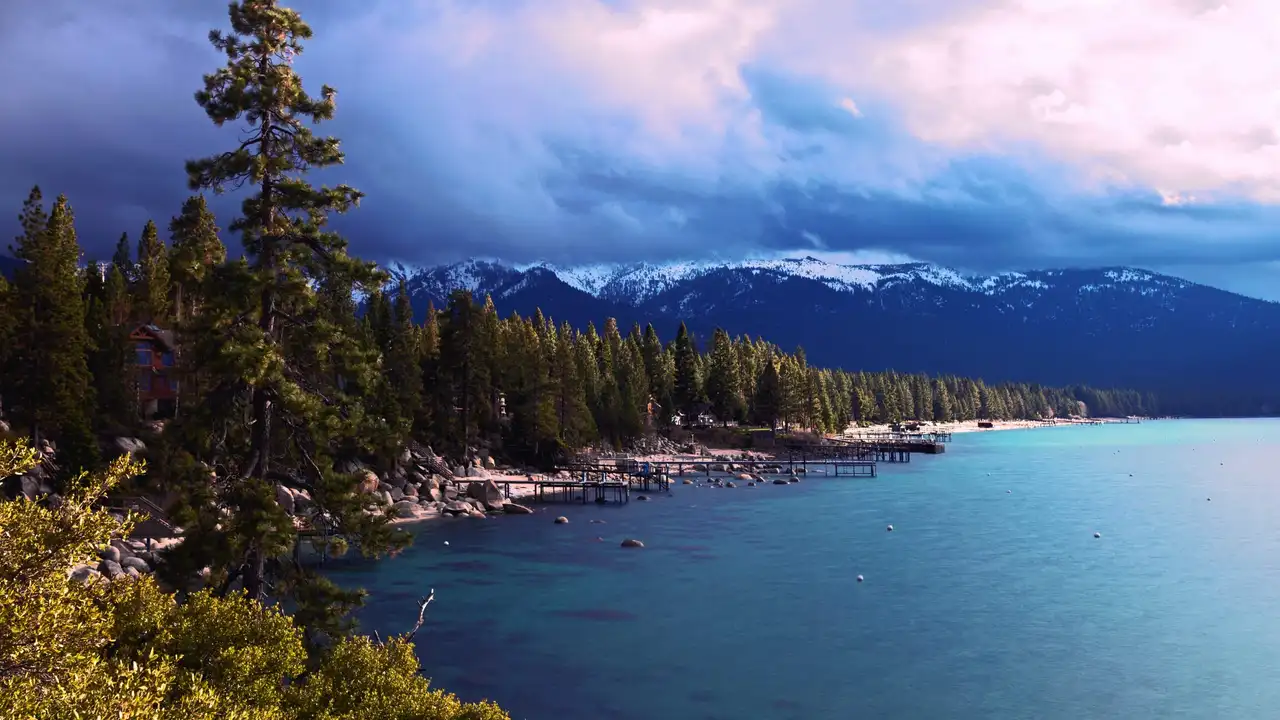
Lake Tahoe_ A Jewel of the Sierra Nevada
Exploring the Diverse Landscapes of California
California, a land of stark contrasts and unparalleled beauty, boasts an array of unique ecosystems that are found nowhere else on Earth. From the towering redwood forests to the arid deserts and the vibrant coastal wetlands, California's biodiversity is a testament to its varied geography and climate. This article delves into the fascinating world of California's ecosystems, focusing on the intricate web of life and the delicate balance that sustains them.
Delving into the Redwood Forests Majestic Giants
The redwood forests of California are home to the tallest trees on the planet, the coast redwoods (Sequoia sempervirens). These ancient giants, some exceeding 350 feet in height and living for over 2,000 years, create a cathedral-like atmosphere with their towering canopies and filtered sunlight. The redwood ecosystem is a complex one, supporting a diverse range of plant and animal life. The cool, moist climate, influenced by the Pacific Ocean, provides the ideal conditions for these magnificent trees to thrive. Underneath the redwood canopy, you'll find a lush understory of ferns, shrubs, and wildflowers. The forest floor is a haven for decomposers, breaking down organic matter and returning nutrients to the soil. Animals such as the Roosevelt elk, black-tailed deer, and various bird species call the redwood forests home.
Protecting these ancient forests is crucial for maintaining California's biodiversity and mitigating climate change. Redwoods are incredibly efficient at storing carbon, making them a valuable asset in the fight against global warming. Conservation efforts are focused on preserving existing redwood forests and restoring degraded areas.
The California Chaparral A Fire Adapted Ecosystem
The chaparral ecosystem, characterized by dense thickets of drought-resistant shrubs, is a defining feature of California's landscape. This fire-adapted ecosystem has evolved to thrive in the hot, dry summers and mild, wet winters of the Mediterranean climate. Chaparral plants have developed a variety of adaptations to survive in these harsh conditions, including deep roots to access groundwater, small leaves to reduce water loss, and flammable oils that promote fire.
Fire is a natural and essential part of the chaparral ecosystem. Periodic fires help to clear out dead vegetation, release nutrients into the soil, and stimulate seed germination. Many chaparral plants have seeds that require fire to germinate, ensuring the continuation of the ecosystem. Animals such as the California quail, scrub jay, and various reptile species have also adapted to the chaparral environment.
However, the increasing frequency and intensity of wildfires, driven by climate change and human activity, are posing a significant threat to the chaparral ecosystem. These megafires can overwhelm the system's ability to recover, leading to loss of biodiversity and increased erosion.
Exploring the Mojave Desert A Land of Extremes
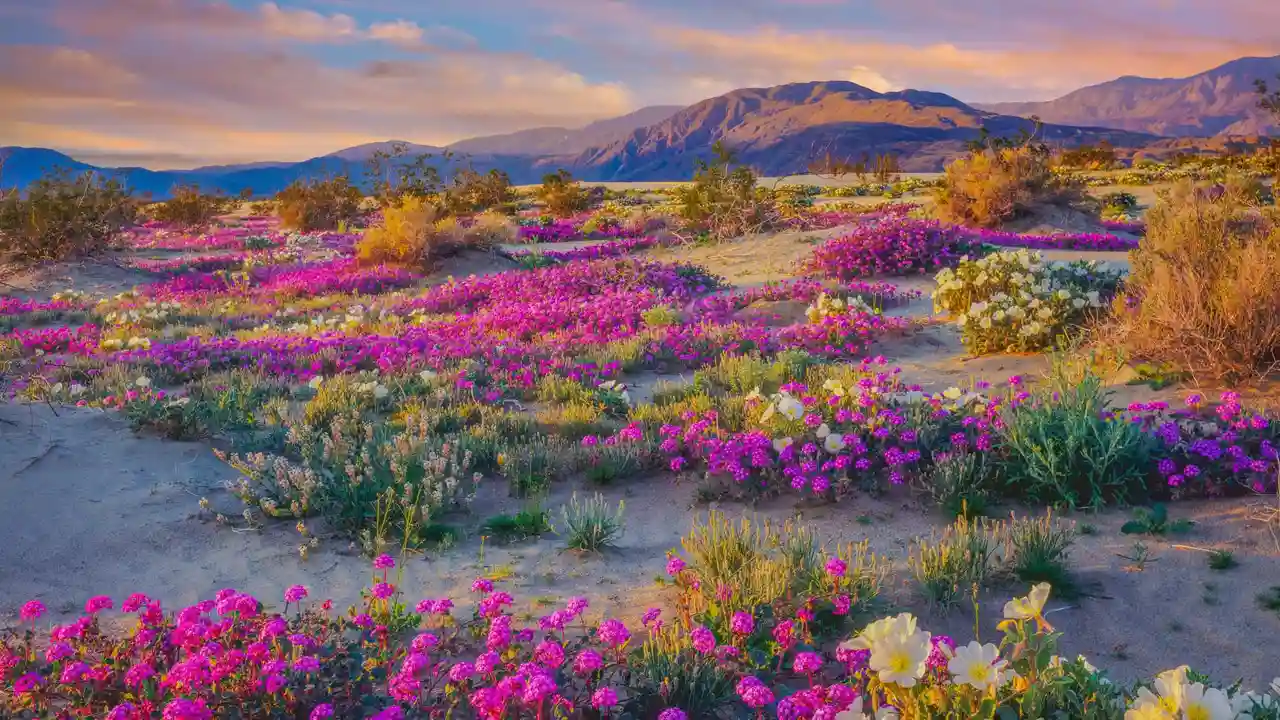
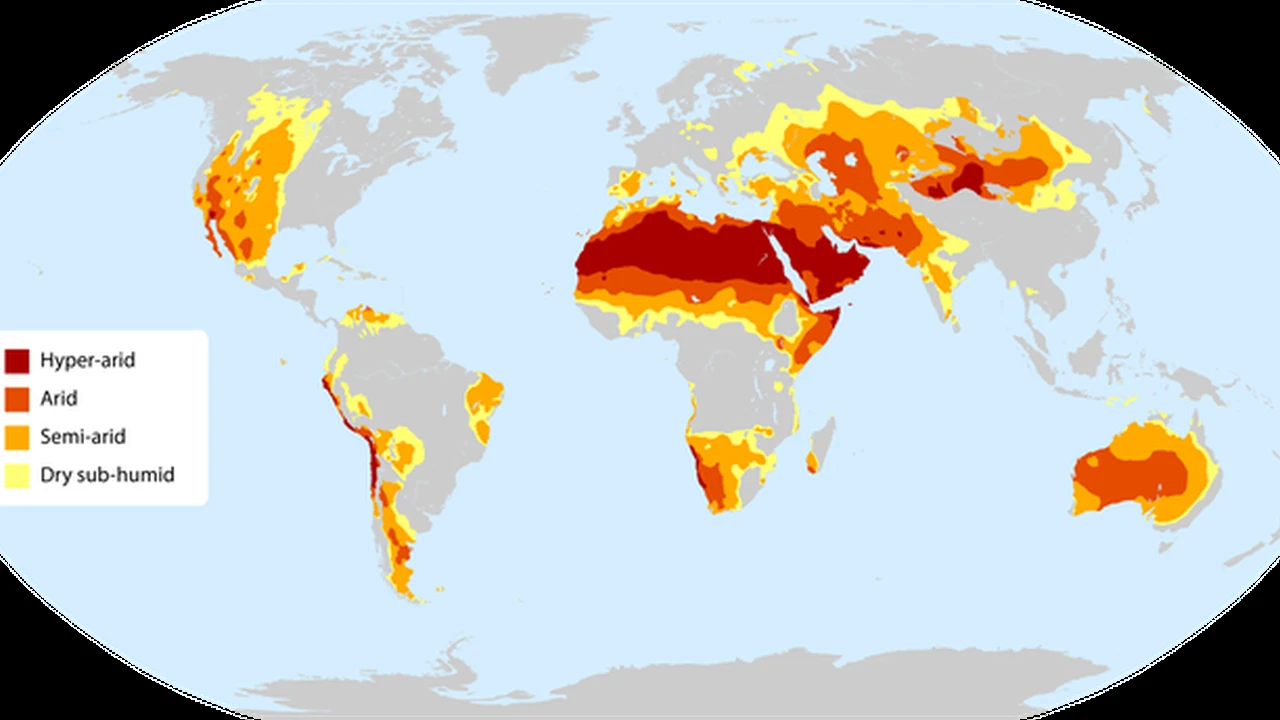
The Mojave Desert, located in southeastern California, is a land of extremes. This arid ecosystem is characterized by scorching temperatures, minimal rainfall, and sparse vegetation. Despite these harsh conditions, the Mojave Desert is home to a surprising diversity of life. Plants such as the Joshua tree, creosote bush, and various cacti have adapted to survive in the desert environment. They have developed strategies such as deep roots, water storage tissues, and reduced leaf surface area to conserve water.
Animals such as the desert tortoise, sidewinder rattlesnake, and kangaroo rat have also adapted to the Mojave Desert. They have developed behaviors such as nocturnal activity, burrowing, and efficient water conservation to survive in the extreme heat and dryness.
The Mojave Desert is facing increasing threats from human activities, including urbanization, mining, and off-road vehicle use. These activities can disrupt the delicate balance of the desert ecosystem and threaten the survival of its unique species.
California's Coastal Wetlands A Haven for Wildlife
California's coastal wetlands, including marshes, mudflats, and estuaries, are vital ecosystems that provide habitat for a wide range of plant and animal life. These wetlands act as nurseries for many fish species, provide feeding grounds for migratory birds, and filter pollutants from the water. They also help to protect coastal communities from flooding and erosion.
The San Francisco Bay Delta, the largest estuary on the West Coast, is a particularly important coastal wetland. It supports a vast array of species, including endangered salmon, steelhead trout, and delta smelt. The Bay Delta is also a critical source of drinking water for millions of Californians.
However, California's coastal wetlands have been significantly reduced in size and degraded by human activities such as development, agriculture, and pollution. Conservation efforts are focused on restoring degraded wetlands and protecting remaining areas.
Product Recommendations for Exploring California's Ecosystems
To fully appreciate the beauty and diversity of California's ecosystems, consider investing in some essential gear and resources. Here are a few recommendations:
Binoculars for Birdwatching and Wildlife Viewing
A good pair of binoculars is essential for observing birds and other wildlife in their natural habitat. Look for binoculars with a magnification of 8x or 10x and a wide field of view. Consider these options:
- Nikon Monarch 5 8x42: A popular choice for birdwatching, offering excellent image quality and durability at a reasonable price.
- Vortex Optics Diamondback HD 10x42: Known for its clear optics and rugged construction, ideal for outdoor adventures.
- Celestron Nature DX 8x42: A budget-friendly option that still provides good performance for beginners.
Hiking Boots for Exploring Trails
Sturdy hiking boots are crucial for navigating the diverse terrain of California's ecosystems, from rocky trails to muddy wetlands. Look for boots with good ankle support, waterproof construction, and a comfortable fit. Consider these options:
- Merrell Moab 2 Mid Waterproof: A versatile and comfortable hiking boot suitable for a variety of terrains.
- Salomon X Ultra 4 Mid GTX: A lightweight and agile hiking boot with excellent grip and waterproof protection.
- Keen Targhee III Mid Waterproof: A durable and supportive hiking boot with a wide toe box for added comfort.
Field Guides for Identifying Plants and Animals
Field guides are invaluable resources for identifying the plants and animals you encounter in California's ecosystems. Look for guides that are comprehensive, easy to use, and specific to the region you are exploring. Consider these options:
- The Laws Field Guide to the Sierra Nevada: A comprehensive guide to the natural history of the Sierra Nevada, covering plants, animals, geology, and ecology.
- National Audubon Society Field Guide to California: A classic field guide covering a wide range of birds, mammals, reptiles, amphibians, and plants found in California.
- AllTrails App: Not a physical guide, but an invaluable app for finding trails, seeing user reviews and difficulty levels, and sometimes even identifying flora and fauna.
Sun Protection for Desert and Coastal Environments
Protecting yourself from the sun is essential when exploring California's desert and coastal environments. Wear a wide-brimmed hat, sunglasses, and sunscreen with a high SPF. Consider these options:
- Sunscreen: EltaMD UV Clear Broad-Spectrum SPF 46 (recommended by dermatologists)
- Hat: Outdoor Research Sun Runner Cap (provides excellent sun protection)
- Sunglasses: Ray-Ban Wayfarer (classic style with UV protection)
Case Studies and Use Cases for Ecosystem Exploration Gear
Birdwatching in Point Reyes National Seashore
Point Reyes National Seashore, located north of San Francisco, is a world-renowned birdwatching destination. With its diverse habitats, including coastal grasslands, forests, and wetlands, Point Reyes attracts a wide variety of bird species throughout the year. Using high-quality binoculars like the Nikon Monarch 5, birdwatchers can observe migratory birds, resident species, and even rare vagrants. A field guide like the National Audubon Society Field Guide to California can help identify the different bird species.
Hiking in Yosemite National Park
Yosemite National Park, located in the Sierra Nevada, is a hiker's paradise. With its towering granite cliffs, giant sequoia trees, and stunning waterfalls, Yosemite offers a variety of hiking trails for all skill levels. Sturdy hiking boots like the Merrell Moab 2 Mid Waterproof are essential for navigating the park's rocky trails. The Laws Field Guide to the Sierra Nevada can help hikers identify the plants and animals they encounter along the way.
Exploring Death Valley National Park
Death Valley National Park, located in the Mojave Desert, is the hottest, driest, and lowest national park in the United States. Despite its extreme conditions, Death Valley is home to a surprising diversity of life. When exploring Death Valley, it's crucial to protect yourself from the sun. Wear a wide-brimmed hat, sunglasses, and sunscreen with a high SPF. Bring plenty of water and be aware of the signs of heat exhaustion.
Product Comparisons Detailed Reviews
Binoculars: Nikon Monarch 5 vs Vortex Diamondback HD
Both the Nikon Monarch 5 and the Vortex Diamondback HD are excellent binoculars for birdwatching and wildlife viewing. The Nikon Monarch 5 is known for its bright, clear images and comfortable ergonomics. The Vortex Diamondback HD is known for its rugged construction and excellent value. Here's a detailed comparison:
| Feature | Nikon Monarch 5 | Vortex Diamondback HD |
|---|---|---|
| Magnification | 8x or 10x | 8x or 10x |
| Objective Lens Diameter | 42mm | 42mm |
| Field of View | 330 feet at 1000 yards (8x) | 393 feet at 1000 yards (8x) |
| Eye Relief | 19.5mm | 18mm |
| Weight | 24 ounces | 24.6 ounces |
| Price | $$ | $$ |
Verdict: The Nikon Monarch 5 offers slightly better image quality, while the Vortex Diamondback HD offers a wider field of view and more rugged construction. Choose the binoculars that best suit your needs and preferences.
Hiking Boots: Merrell Moab 2 Mid Waterproof vs Salomon X Ultra 4 Mid GTX
Both the Merrell Moab 2 Mid Waterproof and the Salomon X Ultra 4 Mid GTX are popular hiking boots known for their comfort and performance. The Merrell Moab 2 Mid Waterproof is a versatile and comfortable boot suitable for a variety of terrains. The Salomon X Ultra 4 Mid GTX is a lightweight and agile boot with excellent grip and waterproof protection. Here's a detailed comparison:
| Feature | Merrell Moab 2 Mid Waterproof | Salomon X Ultra 4 Mid GTX |
|---|---|---|
| Weight (per boot) | 1 lb 5 oz | 1 lb 1 oz |
| Waterproof | Yes | Yes (GORE-TEX) |
| Midsole | EVA | EVA |
| Outsole | Vibram TC5+ | Contagrip MA |
| Ankle Support | Moderate | Moderate |
| Price | $$ | $$$ |
Verdict: The Merrell Moab 2 Mid Waterproof is a more affordable and versatile option, while the Salomon X Ultra 4 Mid GTX offers superior grip and a lighter weight. Choose the boots that best suit your needs and the type of hiking you plan to do.
Pricing and Availability Information
The prices and availability of the products mentioned in this article may vary depending on the retailer and the time of year. It's always a good idea to shop around and compare prices before making a purchase. Here are some popular retailers to check:
- Amazon: Offers a wide selection of outdoor gear and equipment at competitive prices.
- REI: A specialty outdoor retailer with knowledgeable staff and a wide range of products.
- Backcountry.com: An online retailer specializing in outdoor gear and apparel.
- Local Outdoor Stores: Supporting local businesses can provide personalized service and expert advice.
Maintaining the Balance Protecting California's Ecosystems
California's unique ecosystems are facing increasing threats from climate change, habitat loss, and pollution. Protecting these ecosystems is crucial for maintaining biodiversity, mitigating climate change, and ensuring the well-being of future generations.
Here are some things you can do to help protect California's ecosystems:
- Reduce your carbon footprint: Drive less, use public transportation, conserve energy, and support renewable energy sources.
- Conserve water: Use water wisely at home and in your garden.
- Reduce waste: Recycle, compost, and avoid single-use plastics.
- Support conservation organizations: Donate to organizations that are working to protect California's ecosystems.
- Educate yourself and others: Learn about the importance of California's ecosystems and share your knowledge with others.
The Future of California's Natural Wonders
The future of California's unique ecosystems depends on our collective actions. By working together, we can protect these natural wonders for generations to come. Let's embrace our role as stewards of the environment and ensure that California's biodiversity continues to thrive.
From the towering redwoods to the arid deserts and the vibrant coastal wetlands, California's ecosystems are a testament to the power and beauty of nature. Let's cherish and protect these invaluable resources for the benefit of all.
:max_bytes(150000):strip_icc()/277019-baked-pork-chops-with-cream-of-mushroom-soup-DDMFS-beauty-4x3-BG-7505-5762b731cf30447d9cbbbbbf387beafa.jpg)