Klamath Basin_ Birdwatching Paradise in California
Exploring California's Diverse Ecosystems A Comprehensive Overview
California, a land of staggering geographical diversity, boasts an array of unique ecosystems that support an extraordinary range of plant and animal life. From the towering redwood forests of the north to the arid deserts of the south, and the rugged coastline to the snow-capped Sierra Nevada mountains, California's natural environments are a treasure trove of ecological wonders. This article delves into the richness and complexity of these ecosystems, highlighting their importance and the challenges they face.
Redwood Forests Majesty and Ecological Significance
The Redwood forests, dominated by the Coast Redwood (Sequoia sempervirens), are among the most iconic ecosystems in California. These towering trees, the tallest living things on Earth, create a unique microclimate that supports a diverse understory of ferns, shrubs, and other plant life. The Redwood forests are also home to a variety of animal species, including the endangered Marbled Murrelet and the Spotted Owl.
Ecological Significance: Redwood forests play a crucial role in carbon sequestration, absorbing vast amounts of carbon dioxide from the atmosphere. They also help to regulate water flow, preventing soil erosion and providing habitat for numerous species.
Threats: Historically, Redwood forests have been heavily logged. While conservation efforts have protected some areas, old-growth Redwood forests remain fragmented and vulnerable to further degradation. Climate change, including increased drought and wildfire risk, also poses a significant threat.
California's Coastal Ecosystems A Dynamic Interface
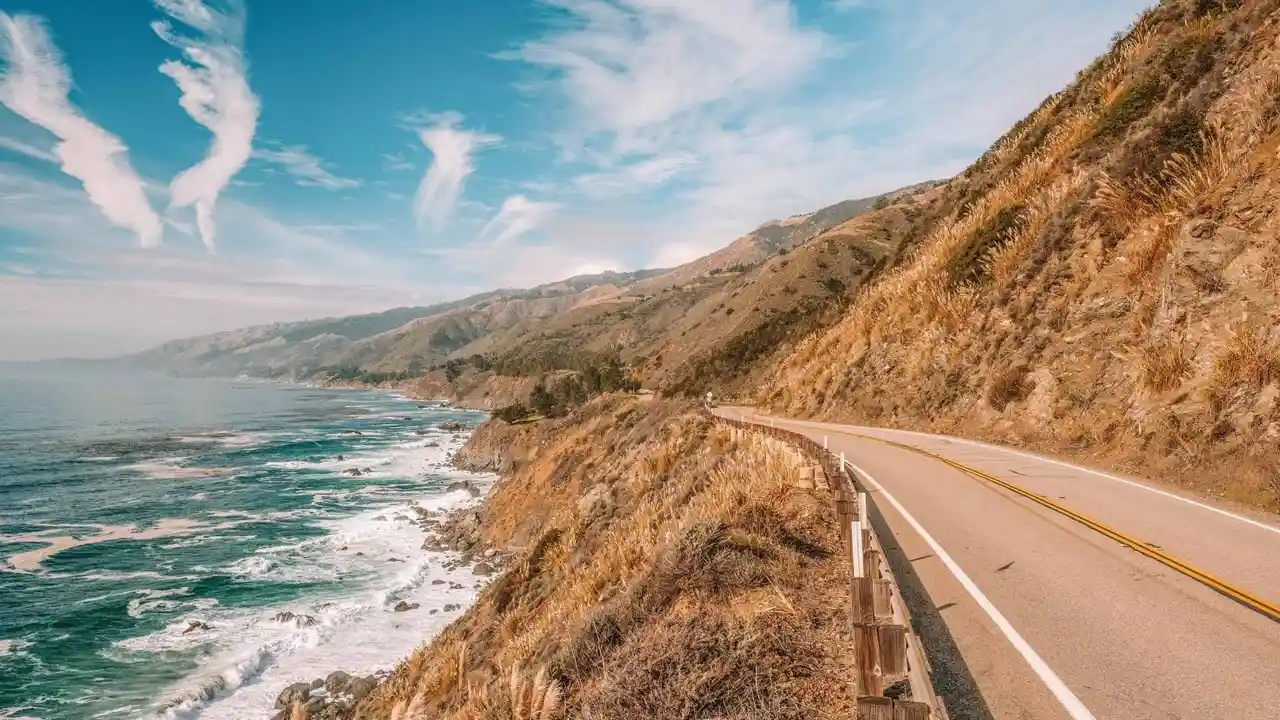
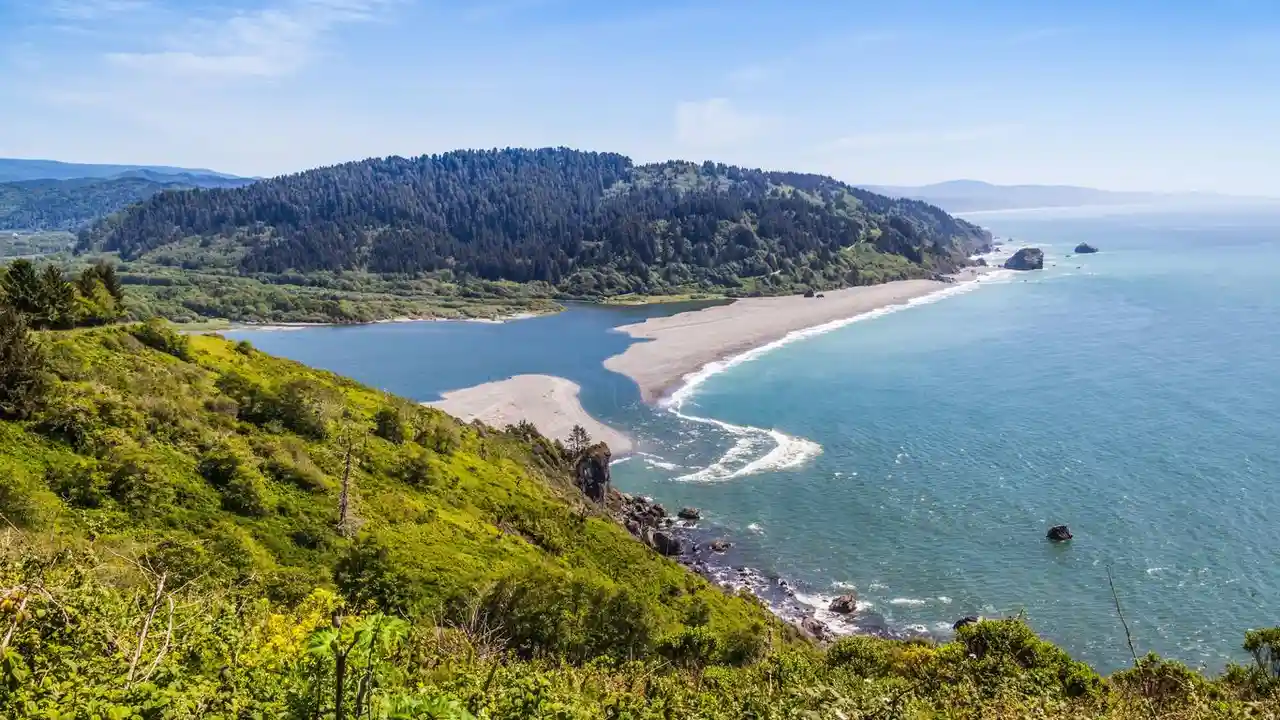
California's coastline is a dynamic interface between land and sea, supporting a variety of unique ecosystems, including rocky intertidal zones, sandy beaches, estuaries, and kelp forests.
Rocky Intertidal Zones: These areas, exposed to the tides, are home to a hardy community of organisms adapted to withstand the constant fluctuations in water level, temperature, and salinity. Sea stars, mussels, barnacles, and various algae species are common inhabitants.
Sandy Beaches: Sandy beaches may appear barren, but they support a hidden ecosystem of burrowing organisms, including sand crabs, clams, and worms. These organisms provide food for shorebirds and other coastal animals.
Estuaries: Estuaries, where freshwater rivers meet the saltwater ocean, are highly productive ecosystems that support a wide range of fish, birds, and invertebrates. They also serve as important nursery grounds for many commercially important fish species.
Kelp Forests: Kelp forests, underwater forests of giant kelp (Macrocystis pyrifera), are among the most diverse and productive ecosystems in the marine environment. They provide habitat and food for a vast array of marine life, including sea otters, seals, fish, and invertebrates.
Threats: Coastal ecosystems face a variety of threats, including pollution, development, overfishing, and climate change. Rising sea levels, ocean acidification, and changes in ocean currents are particularly concerning.
The Sierra Nevada Mountains A Biodiversity Hotspot
The Sierra Nevada mountains, a towering mountain range that runs along the eastern edge of California, are a biodiversity hotspot, supporting a wide range of plant and animal life. From the alpine meadows at the highest elevations to the oak woodlands at the foothills, the Sierra Nevada offers a diverse array of habitats.
Alpine Meadows: Alpine meadows, found above the treeline, are characterized by short grasses, wildflowers, and hardy shrubs. These meadows are home to a variety of specialized species, including the pika and the Belding's ground squirrel.
Coniferous Forests: Coniferous forests, dominated by pine, fir, and cedar trees, cover much of the Sierra Nevada. These forests provide habitat for a variety of animals, including black bears, deer, and various bird species.
Oak Woodlands: Oak woodlands, found at the foothills of the Sierra Nevada, are characterized by oak trees and grasslands. These woodlands provide habitat for a variety of animals, including California ground squirrels, turkeys, and various bird species.
Threats: The Sierra Nevada faces a variety of threats, including logging, grazing, mining, and climate change. Increased drought and wildfire risk are particularly concerning.
California's Desert Ecosystems Resilience in Aridity
California's desert ecosystems, including the Mojave and Colorado Deserts, are characterized by extreme heat, low rainfall, and sparse vegetation. Despite these harsh conditions, these deserts support a surprising diversity of plant and animal life.
Mojave Desert: The Mojave Desert, the driest desert in North America, is characterized by creosote bush, Joshua trees, and other drought-tolerant plants. Animals adapted to the Mojave Desert include the desert tortoise, the sidewinder rattlesnake, and the kangaroo rat.
Colorado Desert: The Colorado Desert, located in the southeastern corner of California, is characterized by palo verde trees, ocotillo, and other desert plants. Animals adapted to the Colorado Desert include the desert bighorn sheep, the Gila monster, and the cactus wren.
Threats: California's desert ecosystems face a variety of threats, including development, mining, off-road vehicle use, and climate change. Water scarcity is a particularly pressing issue.
Freshwater Ecosystems Rivers Lakes and Wetlands
California's freshwater ecosystems, including rivers, lakes, and wetlands, are vital sources of water and habitat for a wide range of species.
Rivers: California's rivers provide water for agriculture, industry, and domestic use. They also support a variety of fish, including salmon, trout, and steelhead. The Sacramento-San Joaquin River Delta is a crucial estuary and a major water source.
Lakes: California's lakes provide recreational opportunities and habitat for a variety of fish, birds, and other wildlife. Lake Tahoe, a deep, clear lake in the Sierra Nevada, is a popular tourist destination.
Wetlands: Wetlands, including marshes, swamps, and bogs, are highly productive ecosystems that provide habitat for a wide range of species. They also help to filter water and control flooding.
Threats: California's freshwater ecosystems face a variety of threats, including water diversions, pollution, and habitat loss. Drought and climate change are exacerbating these problems.
California's Unique Ecosystems and the Importance of Conservation
California's unique ecosystems are a vital part of the state's natural heritage. They provide a wide range of ecosystem services, including clean air and water, carbon sequestration, and habitat for wildlife. However, these ecosystems face a variety of threats, including habitat loss, pollution, and climate change. Conservation efforts are essential to protect these valuable resources for future generations.
Product Recommendations for Ecosystem Exploration and Conservation
To further explore and support the conservation of California's unique ecosystems, consider the following product recommendations:
Binoculars for Birdwatching in Klamath Basin and Beyond
For birdwatching enthusiasts exploring the Klamath Basin or any of California's diverse habitats, a good pair of binoculars is essential. We recommend the Vortex Optics Diamondback HD 8x42. These binoculars offer excellent clarity and brightness, even in low-light conditions. They are also durable and waterproof, making them suitable for outdoor use. A great alternative is the Nikon Monarch M5 8x42 which provides similar quality at a competitive price point.
Use Cases:
* Birdwatching in Klamath Basin and other California ecosystems * Wildlife viewing * Hiking and camping * General outdoor observationProduct Comparison: Vortex Optics Diamondback HD 8x42 vs. Nikon Monarch M5 8x42
| Feature | Vortex Optics Diamondback HD 8x42 | Nikon Monarch M5 8x42 | |-------------------|------------------------------------|-----------------------| | Price | ~$250 | ~$300 | | Magnification | 8x | 8x | | Objective Lens Diameter | 42mm | 42mm | | Field of View | 420 ft at 1000 yards | 420 ft at 1000 yards | | Waterproof | Yes | Yes | | Fogproof | Yes | Yes | | Warranty | VIP Lifetime Warranty | Limited Lifetime Warranty |Detailed Information:
* **Vortex Optics Diamondback HD 8x42:** Features HD (High Density) extra-low dispersion glass for impressive resolution and color fidelity. The rubber armor provides a secure, non-slip grip and durable external protection. Priced around $250. * **Nikon Monarch M5 8x42:** Features ED (Extra-low Dispersion) glass to correct chromatic aberration. Dielectric high-reflective multilayer prism coating ensures superior light transmittance. Priced around $300.Hiking Boots for Exploring California's Trails
Exploring California's diverse ecosystems often involves hiking. A comfortable and durable pair of hiking boots is crucial. We recommend the Merrell Moab 2 Mid Waterproof. These boots provide excellent support and traction, even on challenging terrain. They are also waterproof, keeping your feet dry in wet conditions. An alternative and slightly more robust option is the Salomon X Ultra 4 Mid GTX.
Use Cases:
* Hiking in Redwood forests * Exploring the Sierra Nevada mountains * Desert hiking * General outdoor activitiesProduct Comparison: Merrell Moab 2 Mid Waterproof vs. Salomon X Ultra 4 Mid GTX
| Feature | Merrell Moab 2 Mid Waterproof | Salomon X Ultra 4 Mid GTX | |-------------------|--------------------------------|---------------------------| | Price | ~$130 | ~$160 | | Waterproof | Yes | Yes (GORE-TEX) | | Midsole | Merrell Air Cushion | EnergyCell | | Outsole | Vibram TC5+ | Contagrip MA | | Weight (pair) | 2 lbs 4 oz | 1 lb 15 oz |Detailed Information:
* **Merrell Moab 2 Mid Waterproof:** Features a waterproof membrane to seal out water and let moisture escape. The M Select™ FIT.ECO+ blended EVA contoured footbed with added zonal arch and heel support. Priced around $130. * **Salomon X Ultra 4 Mid GTX:** Features a GORE-TEX membrane for complete waterproof protection. Advanced Chassis™ provides stability and support on uneven terrain. Priced around $160.Water Filter Bottle for Safe Hydration
Staying hydrated is essential when exploring California's ecosystems. A water filter bottle ensures you have access to clean drinking water, even in remote locations. We recommend the LifeStraw Go Water Filter Bottle. This bottle removes bacteria and parasites from water, making it safe to drink. A competitor is the Sawyer Products Squeeze Water Filtration System, which is slightly more versatile for filtering larger quantities of water.
Use Cases:
* Hiking * Camping * Backpacking * TravelingProduct Comparison: LifeStraw Go Water Filter Bottle vs. Sawyer Products Squeeze Water Filtration System
| Feature | LifeStraw Go Water Filter Bottle | Sawyer Products Squeeze Water Filtration System | |-------------------|-----------------------------------|---------------------------------------------| | Price | ~$40 | ~$30 | | Filter Type | Hollow Fiber Membrane | Hollow Fiber Membrane | | Filter Life | 1000 liters | 100,000 gallons | | Weight | 7.8 oz | 3 oz | | Bottle Capacity | 22 oz | N/A (attaches to standard bottles) |Detailed Information:
* **LifeStraw Go Water Filter Bottle:** Removes 99.999999% of bacteria, 99.999% of parasites, and 99.999% of microplastics. Features a durable and leak-proof design. Priced around $40. * **Sawyer Products Squeeze Water Filtration System:** Can be attached to standard disposable water bottles, hydration packs, or used as a straw. Removes 99.99999% of bacteria and 99.9999% of protozoa. Priced around $30.Portable Solar Charger for Powering Devices
Keeping your devices charged is important for navigation, communication, and capturing memories. A portable solar charger allows you to recharge your devices using the sun's energy. We recommend the Anker PowerCore Solar 10000. This charger is compact, lightweight, and features a high-capacity battery. A more rugged option is the Goal Zero Nomad 5 Solar Panel, though it requires a separate power bank.
Use Cases:
* Hiking * Camping * Backpacking * TravelingProduct Comparison: Anker PowerCore Solar 10000 vs. Goal Zero Nomad 5 Solar Panel
| Feature | Anker PowerCore Solar 10000 | Goal Zero Nomad 5 Solar Panel | |-------------------|-----------------------------|-------------------------------| | Price | ~$35 | ~$50 | | Capacity | 10000mAh | N/A (solar panel only) | | Solar Charging | Yes | Yes | | Ports | USB-A, USB-C | USB-A | | Weight | 9.5 oz | 12.8 oz |Detailed Information:
* **Anker PowerCore Solar 10000:** Features a 10000mAh battery capacity and a built-in solar panel for emergency charging. Durable and water-resistant design. Priced around $35. * **Goal Zero Nomad 5 Solar Panel:** Lightweight and portable solar panel that can charge small devices directly or be used to charge a power bank. Features a durable and weather-resistant design. Priced around $50.Supporting Conservation Organizations Protecting California's Ecosystems
Beyond purchasing these products, consider supporting organizations dedicated to protecting California's unique ecosystems. Organizations like the Nature Conservancy, the Sierra Club, and the California Native Plant Society are actively working to conserve these valuable resources. Donating time, money, or even simply spreading awareness can make a significant difference.
The Future of California's Ecosystems A Call to Action
California's ecosystems are facing unprecedented challenges. Climate change, habitat loss, and pollution are threatening the biodiversity and ecological integrity of these unique environments. It is crucial that we take action to protect these valuable resources for future generations. By supporting conservation efforts, making sustainable choices, and advocating for responsible environmental policies, we can help ensure that California's ecosystems continue to thrive.
:max_bytes(150000):strip_icc()/277019-baked-pork-chops-with-cream-of-mushroom-soup-DDMFS-beauty-4x3-BG-7505-5762b731cf30447d9cbbbbbf387beafa.jpg)