Hiking Trails_ Top Rated National Park Hikes
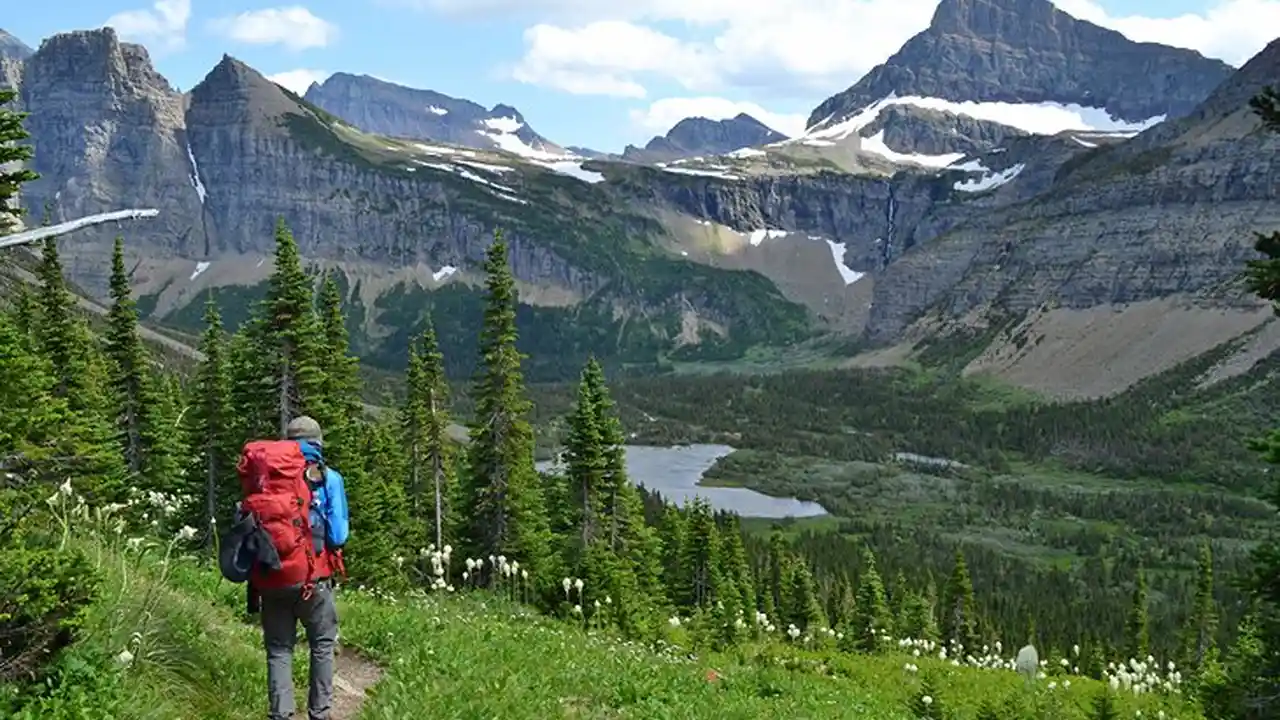
California's National Parks offer unparalleled natural beauty and adventure. From towering redwoods to stunning desert landscapes, explore the best of what California has to offer. This guide will take you through hidden gems, must-see attractions, and essential gear recommendations for your next park visit.
Exploring the Majesty of Redwood National and State Parks A Comprehensive Guide
Redwood National and State Parks, a UNESCO World Heritage Site, protect nearly half of all remaining old-growth redwood forests. These colossal trees, some over 350 feet tall and 2,000 years old, create an awe-inspiring landscape. Beyond the redwoods, the parks also encompass nearly 40 miles of rugged coastline, offering diverse ecosystems to explore.
Hiking Among Giants The Best Redwood Trails for Every Skill Level
Redwood National and State Parks offer a wide range of hiking trails, from easy strolls to challenging multi-day treks. Here are a few of the best:
- Lady Bird Johnson Grove Trail: A gentle, 1.5-mile loop through a stunning redwood grove, perfect for families and those seeking a peaceful walk.
- Tall Trees Grove: Descend into a grove of some of the tallest trees on Earth. A permit is required to access this trail.
- Fern Canyon Trail: Hike through a canyon covered in lush ferns, featured in "Jurassic Park: The Lost World."
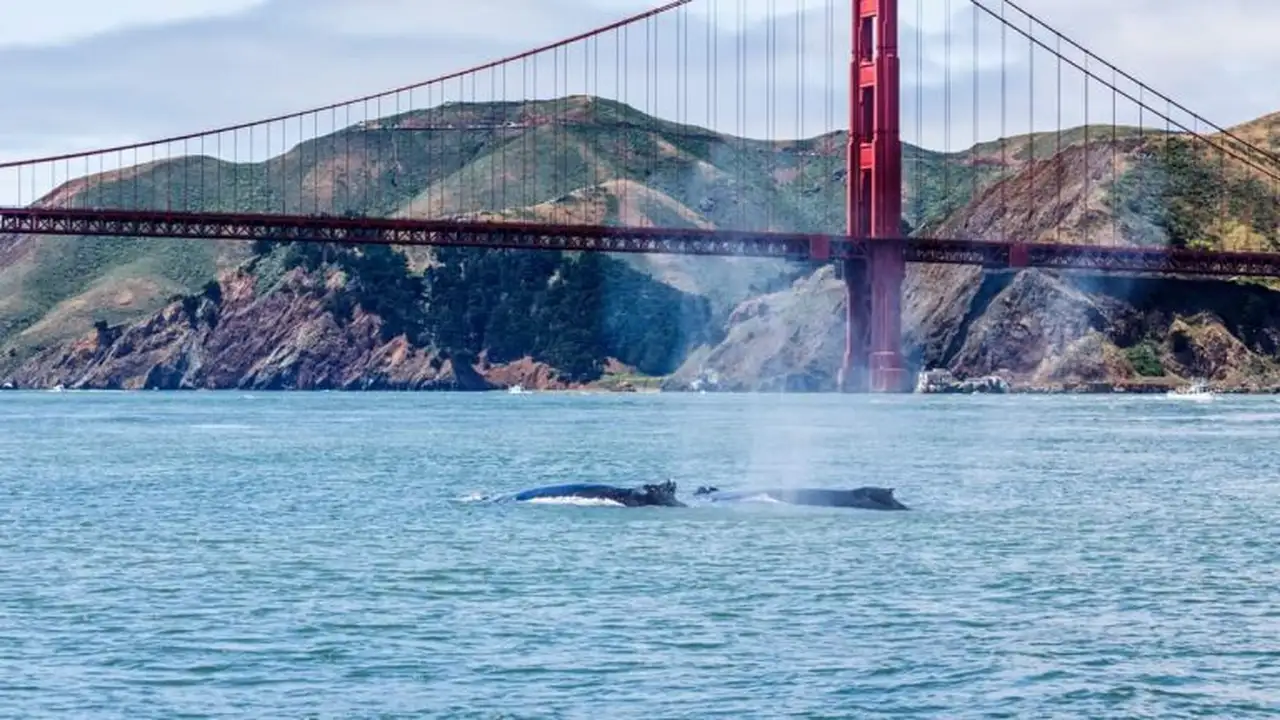
- Coastal Trail: A portion of the longer California Coastal Trail, offering breathtaking views of the Pacific Ocean and opportunities for whale watching.
- James Irvine Trail to Miners Ridge and Clintonia Trail Loop: A more challenging 11.7-mile loop with diverse scenery, including redwood forests, coastal views, and lush undergrowth.
Essential Gear for Redwood Adventures Staying Safe and Comfortable
When exploring Redwood National and State Parks, it's important to be prepared for varying weather conditions and terrain. Here's a list of essential gear:
- Waterproof Hiking Boots: The redwood forests can be damp, so waterproof boots are essential for keeping your feet dry and comfortable. Consider the Salomon X Ultra 4 GTX hiking boots for excellent traction and waterproofing. These retail for around $160 and are a durable option for frequent hikers.
- Rain Gear: Pack a waterproof jacket and pants, even if the forecast is clear. The weather in the redwoods can change quickly. The Outdoor Research Helium Rain Jacket is a lightweight and packable option, priced at approximately $150.
- Layers: Dress in layers to adapt to changing temperatures. A fleece jacket or insulated vest is a good mid-layer. The Patagonia R1 Fleece Pullover, priced at around $130, provides excellent warmth and breathability.
- Navigation Tools: Carry a map and compass, and know how to use them. GPS devices can also be helpful, but be aware that cell service may be limited in some areas. The Garmin GPSMAP 64sx handheld GPS, priced at around $300, is a reliable option for backcountry navigation.
- Bear Spray: While bear encounters are rare in Redwood National and State Parks, it's always a good idea to carry bear spray as a precaution, especially when hiking in more remote areas. Counter Assault Bear Deterrent, priced at around $50, is a popular and effective option.
- First-Aid Kit: Pack a comprehensive first-aid kit with supplies for treating minor injuries, blisters, and insect bites. Adventure Medical Kits Ultralight/Watertight Medical Kit .7, priced at around $30, is a compact and lightweight option.
- Headlamp or Flashlight: Essential for navigating trails in low light conditions, especially if you're planning to hike in the early morning or late evening. The Black Diamond Spot 350 Headlamp, priced at around $40, is a bright and reliable option.
- Insect Repellent: Mosquitoes and ticks can be prevalent in the redwood forests, especially during the summer months. Sawyer Products Picaridin Insect Repellent, priced at around $10, is a effective and DEET-free option.
- Sunscreen and Hat: Even on cloudy days, it's important to protect your skin from the sun. Pack sunscreen with a high SPF and wear a hat to shield your face and neck.
- Water Bottle or Hydration Pack: Stay hydrated by carrying plenty of water. A hydration pack, such as the CamelBak M.U.L.E. Hydration Pack, priced at around $120, is a convenient way to carry water hands-free.
Wildlife Encounters in Redwood National Park Respect and Observation Tips
Redwood National and State Parks are home to a diverse array of wildlife, including Roosevelt elk, black bears, mountain lions, and various bird species. It's important to be respectful of wildlife and maintain a safe distance. Never feed wild animals, and store food properly to avoid attracting them to your campsite. If you encounter a bear, make noise and slowly back away. Carry bear spray as a precaution, and know how to use it.
Discovering the Wonders of Death Valley National Park A Desert Oasis
Death Valley National Park, a land of extremes, is the hottest, driest, and lowest national park in the United States. Despite its harsh environment, Death Valley is a place of stunning beauty, with colorful canyons, towering sand dunes, and unique geological formations.
Must See Attractions in Death Valley Iconic Landmarks and Hidden Gems
Death Valley National Park offers a variety of attractions, from iconic landmarks to hidden gems. Here are a few of the must-see spots:
- Zabriskie Point: A panoramic viewpoint offering stunning views of the park's badlands.
- Badwater Basin: The lowest point in North America, at 282 feet below sea level.
- Mesquite Flat Sand Dunes: The most accessible and popular sand dunes in the park.
- Artist's Palette: A scenic drive along Artist's Drive, showcasing colorful volcanic formations.
- Dante's View: A viewpoint offering panoramic views of Death Valley, including Badwater Basin and Telescope Peak.
- Ubehebe Crater: A large volcanic crater formed by a steam explosion.
- Mosaic Canyon: A narrow canyon with polished marble walls.
Surviving the Heat Essential Tips for a Safe Death Valley Visit
Death Valley's extreme heat can be dangerous, especially during the summer months. It's important to take precautions to stay safe:
- Stay Hydrated: Drink plenty of water throughout the day, even if you don't feel thirsty. Carry at least one gallon of water per person per day.
- Avoid Strenuous Activity During the Hottest Part of the Day: Limit hiking and other strenuous activities to the early morning or late evening.
- Wear Light-Colored, Loose-Fitting Clothing: Light colors reflect sunlight, helping to keep you cool. Loose-fitting clothing allows for better ventilation.
- Wear a Hat and Sunglasses: Protect your head and eyes from the sun.
- Apply Sunscreen: Use sunscreen with a high SPF to protect your skin from sunburn.
- Be Aware of the Symptoms of Heat Exhaustion and Heat Stroke: Heat exhaustion symptoms include headache, dizziness, nausea, and muscle cramps. Heat stroke is a more serious condition with symptoms including confusion, seizures, and loss of consciousness. Seek medical attention immediately if you suspect heat stroke.
- Check Your Vehicle: Make sure your vehicle is in good working condition before entering Death Valley. Check your tires, fluids, and battery.
- Tell Someone Your Plans: Let someone know your itinerary and expected return time.
Gear Recommendations for Desert Adventures: Staying Cool and Prepared
Death Valley's harsh environment requires specific gear to ensure a safe and enjoyable experience. Here's what you'll need:
- Wide Brimmed Hat: Provides crucial sun protection for your face and neck. The Outdoor Research Sombriolet Sun Hat, priced at around $35, is a popular choice with excellent ventilation and UPF 50+ sun protection.
- Sunglasses with UV Protection: Protect your eyes from the intense desert sun. Smith Optics Attack MAG Sunglasses, priced at around $200, offer excellent clarity and interchangeable lenses for varying light conditions.
- Sunscreen (High SPF): Essential for preventing sunburn. Neutrogena Ultra Sheer Dry-Touch Sunscreen SPF 55, priced at around $10, is a non-greasy and water-resistant option.
- Hydration Pack (Large Capacity): Carry ample water to stay hydrated. The Osprey Talon 22 Hydration Pack, priced at around $140, offers a comfortable fit and a 2.5-liter reservoir.
- Hiking Boots (Lightweight and Breathable): Choose boots that provide support and ventilation for desert hiking. The Merrell Moab 2 Vent Hiking Shoe, priced at around $100, is a lightweight and breathable option.
- Moisture-Wicking Clothing: Helps keep you cool and dry by wicking away sweat. The Patagonia Capilene Cool Lightweight Shirt, priced at around $40, is a comfortable and breathable option.
- Electrolyte Tablets or Powder: Replace electrolytes lost through sweat to prevent dehydration. Nuun Sport Electrolyte Tablets, priced at around $7, are a convenient and sugar-free option.
- Portable Power Bank: Keep your electronic devices charged in case of emergencies. Anker PowerCore 10000 Portable Charger, priced at around $25, provides multiple charges for smartphones and other devices.
- Emergency Blanket: Can be used to stay warm in case of unexpected weather changes or emergencies. Arcturus Lightweight Survival Blanket, priced at around $15, is a compact and waterproof option.
Channel Islands National Park California's Galapagos Islands
Channel Islands National Park, often referred to as the "Galapagos Islands of California," is a chain of five islands located off the coast of Southern California. These islands are home to a unique array of plant and animal life, many of which are found nowhere else on Earth.
Exploring the Unique Ecosystems of the Channel Islands A Biologist's Perspective
The Channel Islands are a biodiversity hotspot, with a high concentration of endemic species. The islands' isolation has allowed unique species to evolve, including the island fox, the island scrub-jay, and the Torrey pine.
Activities for Nature Lovers Snorkeling Kayaking and Wildlife Viewing
The Channel Islands offer a variety of activities for nature lovers:
- Snorkeling and Diving: Explore the kelp forests and marine life surrounding the islands.
- Kayaking: Paddle along the coastline and explore hidden coves and sea caves.
- Wildlife Viewing: Observe the diverse wildlife, including seals, sea lions, dolphins, whales, and various bird species.
- Hiking: Explore the islands' trails and discover unique plant life and scenic views.
- Camping: Spend a night under the stars and experience the tranquility of the islands.
Gear Recommendations for Island Hopping Essential Equipment for Channel Islands Adventures
Exploring the Channel Islands requires specific gear to ensure a comfortable and safe experience. Here's a list of recommended equipment:
- Waterproof Backpack: Protect your gear from moisture, especially when kayaking or boating. The Sea to Summit Dry Sack, priced from $20-$40 depending on size, is a durable and reliable option.
- Binoculars: Enhance your wildlife viewing experience. The Nikon Prostaff 3S Binoculars, priced at around $130, offer excellent clarity and a wide field of view.
- Sun Protection (Hat, Sunglasses, Sunscreen): Protect yourself from the sun's harmful rays. Refer to previous sections for product recommendations.
- Water Shoes or Sandals: Useful for navigating rocky beaches and shorelines. Teva Hurricane XLT2 Sandals, priced at around $70, are a comfortable and durable option.
- Dry Bag for Electronics: Protect your phone, camera, and other electronic devices from water damage. The YOSH Waterproof Phone Pouch, priced at around $10, is a simple and effective solution.
- Motion Sickness Medication: If you're prone to motion sickness, consider taking medication before the boat trip to the islands. Dramamine, available at most pharmacies, is a common and effective option.
- Snorkeling Gear (Mask, Snorkel, Fins): Essential for exploring the underwater world around the islands. Cressi Palau Long Fins Set, priced at around $80, offers a comfortable and efficient snorkeling experience.
- Layers of Clothing: Be prepared for changing weather conditions. Pack layers that you can easily add or remove as needed.
Lassen Volcanic National Park A Land of Fire and Ice
Lassen Volcanic National Park, located in Northern California, showcases a diverse landscape shaped by volcanic activity. From steaming fumaroles and boiling mud pots to pristine lakes and wildflower meadows, Lassen offers a unique and dynamic environment to explore.
Witnessing Volcanic Activity Sulphur Works and Bumpass Hell
Lassen Volcanic National Park is home to several active hydrothermal areas, including Sulphur Works and Bumpass Hell. These areas feature steaming fumaroles, boiling mud pots, and hot springs, providing a glimpse into the park's volcanic past and present.
Hiking to Lassen Peak Conquering the Summit
Hiking to the summit of Lassen Peak is a challenging but rewarding experience. The trail climbs over 2,000 feet to the top of the volcano, offering panoramic views of the park and surrounding landscape.
Essential Hiking Gear for Volcanic Terrain Navigating Lassen Peak Safely
Hiking in Lassen Volcanic National Park requires specific gear to ensure a safe and enjoyable experience. Here's a list of recommended equipment:
- Hiking Boots with Ankle Support: Provide stability and support on uneven terrain. The Salomon Quest 4 GTX Hiking Boots, priced at around $230, offer excellent ankle support and waterproofing.
- Trekking Poles: Help with balance and reduce strain on your knees, especially on steep inclines and declines. Black Diamond Trail Ergo Cork Trekking Poles, priced at around $140, are a comfortable and durable option.
- Water Filter or Purification Tablets: Ensure access to safe drinking water. The Sawyer Squeeze Water Filter, priced at around $30, is a lightweight and effective option.
- Bear Canister: Required for overnight camping in certain areas of the park to protect food from bears. The BearVault BV500 Food Container, priced at around $80, is a popular and approved option.
- Insect Repellent (DEET-Free): Mosquitoes and other insects can be prevalent, especially during the summer months. Sawyer Products Picaridin Insect Repellent, priced at around $10, is an effective and DEET-free option.
- Layers of Clothing: Be prepared for changing weather conditions, especially at higher elevations. Pack layers that you can easily add or remove as needed.
- Headlamp or Flashlight: Essential for navigating trails in low light conditions, especially if you're planning to hike in the early morning or late evening. The Black Diamond Spot 350 Headlamp, priced at around $40, is a bright and reliable option.
- Map and Compass: Familiarize yourself with the trails and terrain. GPS devices can also be helpful, but be aware that cell service may be limited in some areas.
Pinnacles National Park Exploring Caves and Rock Formations
Pinnacles National Park, located in Central California, is known for its towering rock formations, talus caves, and diverse wildlife. The park offers a variety of hiking trails, climbing opportunities, and opportunities for wildlife viewing.
Caving Adventures Exploring the Talus Caves
Pinnacles National Park is home to several talus caves, formed by large boulders that have fallen into narrow canyons. These caves offer a unique and adventurous experience, requiring visitors to scramble over rocks and navigate through tight spaces.
Rock Climbing in Pinnacles Reaching New Heights
Pinnacles National Park is a popular destination for rock climbing, with a variety of routes for climbers of all skill levels. The park's unique rock formations provide challenging and rewarding climbing opportunities.
Essential Caving and Climbing Gear for Pinnacles National Park Safety First
Exploring the caves and rock formations of Pinnacles National Park requires specific gear to ensure a safe and enjoyable experience. Here's a list of recommended equipment:
- Headlamp with Extra Batteries: Essential for navigating the talus caves. The Black Diamond Spot 350 Headlamp, priced at around $40, is a bright and reliable option.
- Sturdy Hiking Shoes or Boots: Provide traction and support on uneven terrain. The Merrell Moab 2 Vent Hiking Shoe, priced at around $100, is a lightweight and breathable option.
- Gloves: Protect your hands from abrasion when scrambling over rocks. Mechanix Wear Original Gloves, priced at around $20, offer excellent grip and durability.
- Knee Pads: Protect your knees when crawling through tight spaces in the caves. KP Industries Knee Pads, priced at around $25, provide comfortable and reliable protection.
- Climbing Helmet: Essential for rock climbing to protect your head from falling rocks. Black Diamond Half Dome Climbing Helmet, priced at around $75, is a popular and certified option.
- Climbing Harness: Distributes weight evenly and provides a secure attachment point for ropes. Black Diamond Momentum Climbing Harness, priced at around $80, is a comfortable and adjustable option.
- Climbing Shoes: Provide specialized grip and support for rock climbing. La Sportiva Tarantula Climbing Shoes, priced at around $90, are a popular choice for beginners.
- Quickdraws: Connect the rope to the protection bolts on the climbing route. Black Diamond HotForge Quickdraws, priced at around $25 each, are a reliable and durable option.
- Climbing Rope: Essential for belaying and rappelling. Sterling Evolution Velocity Climbing Rope, priced at around $200, is a high-quality and durable option.
Exploring California's National Parks is an unforgettable experience. From the towering redwoods to the stark beauty of Death Valley, these parks offer something for everyone. Remember to plan ahead, pack appropriately, and respect the environment to ensure a safe and enjoyable adventure.
:max_bytes(150000):strip_icc()/277019-baked-pork-chops-with-cream-of-mushroom-soup-DDMFS-beauty-4x3-BG-7505-5762b731cf30447d9cbbbbbf387beafa.jpg)