Desert Wildlife_ Creatures of the California Desert
Exploring essential desert survival gear for thriving in California's arid landscapes, including product recommendations, use cases, comparisons, and detailed information like pricing.
Understanding the California Desert Environment Essential Knowledge
California's deserts, a land of stark beauty and extreme conditions, demand respect and preparedness. Before venturing into these arid landscapes, a solid understanding of the environment is crucial. We're talking scorching daytime temperatures, plummeting nighttime chills, intense solar radiation, and scarce water sources. Each of these factors plays a significant role in determining what gear you'll need to not just survive, but thrive.
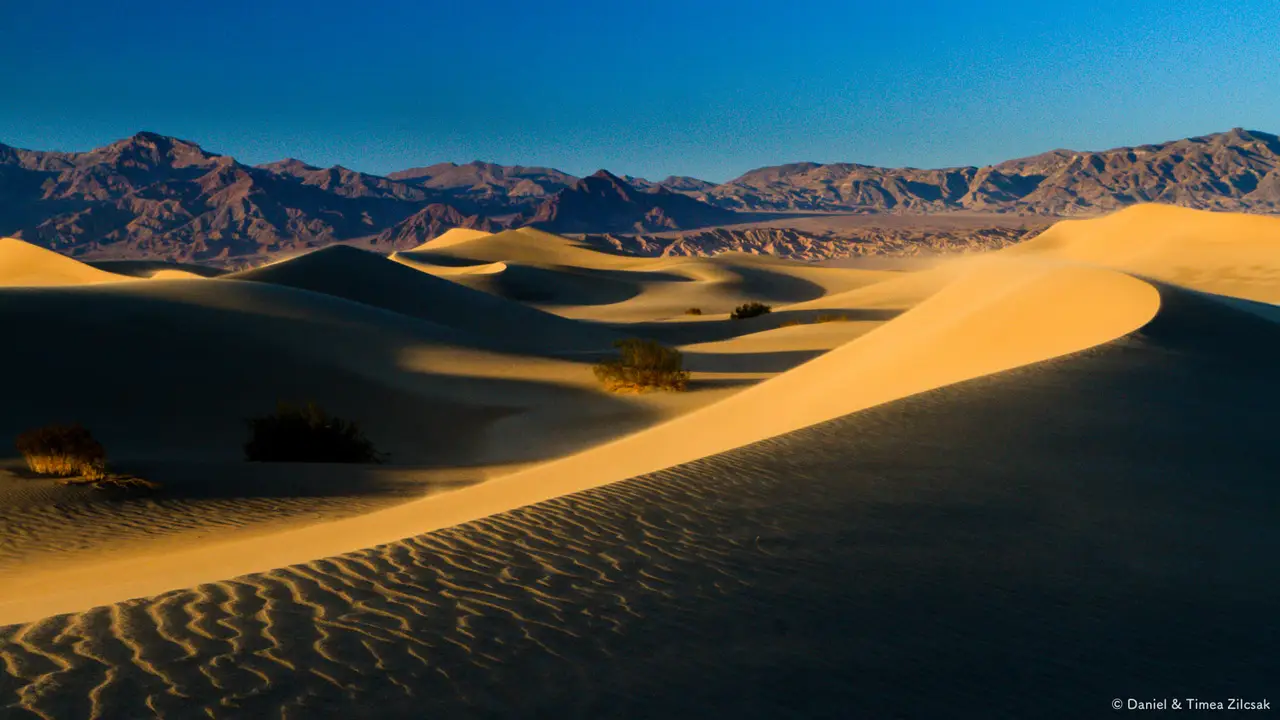
The primary types of deserts found in California include the Mojave Desert, the Colorado Desert (part of the larger Sonoran Desert), and the Great Basin Desert. The Mojave, known for its iconic Joshua Trees, experiences extreme temperature fluctuations. The Colorado Desert, lower in elevation, faces intense summer heat. The Great Basin Desert, though less visited, presents its own challenges with colder winters and sparse vegetation. Understanding which desert you plan to explore is the first step in selecting the right survival gear.
Beyond temperature, consider the terrain. Sandy dunes, rocky mountains, and barren plains all require different approaches to navigation and shelter. Knowing the specific plant and animal life is also important. Some plants can provide emergency water or food, while others are poisonous. Being aware of potentially dangerous animals, like snakes, scorpions, and spiders, is vital for preventing accidents.
Essential Hydration Gear for Desert Survival Staying Hydrated
Water is life, and in the desert, that statement is amplified tenfold. Dehydration can set in quickly, leading to serious health problems. Therefore, carrying an adequate supply of water and knowing how to replenish it is paramount.
Water Containers: The most basic, yet critical, piece of hydration gear is a reliable water container. Options range from durable water bottles to hydration reservoirs (bladders) that fit in your backpack. Consider the Nalgene Tritan 32oz Water Bottle. It's virtually indestructible, BPA-free, and can withstand extreme temperatures. For longer trips, a larger capacity hydration reservoir like the CamelBak Crux 3L Reservoir is a great choice. It allows you to drink hands-free and holds a significant amount of water.
Water Filters and Purifiers: Even if you carry a large supply of water, it's essential to have a way to purify water from natural sources. Options include water filter pumps, purification tablets, and gravity-fed filters. The Sawyer Squeeze Water Filter is a popular choice due to its lightweight design and ability to filter up to 1 million gallons of water. For a more comprehensive purification method, consider the SteriPen Adventurer Opti. It uses UV light to kill bacteria, viruses, and protozoa.
Water Collection: In emergency situations, knowing how to collect water can be a lifesaver. A simple tarp can be used to create a solar still, which collects water from condensation. Learning how to identify potential water sources, such as springs or seeps, is also important. A collapsible water container, like the Platypus Platy Bottle, can be useful for transporting collected water.
Product Comparison: * Nalgene Tritan vs. CamelBak Crux: Nalgene is more durable and easier to clean, while CamelBak offers hands-free hydration. * Sawyer Squeeze vs. SteriPen: Sawyer filters out particulate matter, while SteriPen purifies water using UV light. Choose based on the water source and your needs. Pricing: * Nalgene Tritan 32oz: $12 - $15 * CamelBak Crux 3L: $35 - $45 * Sawyer Squeeze: $25 - $35 * SteriPen Adventurer Opti: $80 - $100
Desert Shelter and Sun Protection Gear Staying Cool
The desert sun is unforgiving. Protecting yourself from its intense heat and radiation is crucial for preventing heatstroke and sunburn. Shelter and sun protection gear are essential components of any desert survival kit.
Shelter: While a full-sized tent might be overkill for short trips, some form of shelter is necessary. A lightweight emergency blanket, like the SOL Emergency Blanket, can reflect heat and provide a temporary barrier against the sun. For more substantial protection, consider a lightweight tarp or bivy sack. The Sea to Summit Escapist Tarp is a versatile option that can be configured in various ways to provide shade and protection from the elements.
Sun Protection: Sunscreen, sunglasses, and a wide-brimmed hat are non-negotiable items. Choose a broad-spectrum sunscreen with an SPF of 30 or higher. Reapply frequently, especially after sweating. Sunglasses should block 100% of UVA and UVB rays. A wide-brimmed hat will protect your face, neck, and ears from the sun. Consider the Outdoor Research Sombriolet Sun Hat, which features a breathable fabric and adjustable chin strap.
Clothing: The right clothing can make a significant difference in your comfort and safety. Wear lightweight, breathable clothing that covers as much skin as possible. Light-colored clothing reflects sunlight, while dark-colored clothing absorbs it. Consider long-sleeved shirts and pants made from moisture-wicking fabrics. A bandana or neck gaiter can be used to protect your face and neck from the sun and wind.
Product Comparison: * SOL Emergency Blanket vs. Sea to Summit Escapist Tarp: SOL blanket is lightweight and compact, ideal for emergencies. Sea to Summit tarp provides more substantial shelter. * Generic Sunscreen vs. High-End Sunscreen: High-end sunscreens often offer better water resistance and broader spectrum protection. Pricing: * SOL Emergency Blanket: $5 - $10 * Sea to Summit Escapist Tarp: $100 - $150 * Outdoor Research Sombriolet Sun Hat: $30 - $40 * Quality Sunscreen (SPF 30+): $10 - $20
Navigation and Communication Tools Staying on Course
Getting lost in the desert can be a deadly mistake. Reliable navigation and communication tools are essential for staying on course and signaling for help in an emergency.
Navigation: A map and compass are essential navigation tools, even with the advent of GPS devices. Learn how to use them effectively before venturing into the desert. The USGS topographic maps are a great resource for detailed terrain information. A compass like the Suunto MC-2 is a reliable and accurate tool for navigation.
GPS Devices: A GPS device can provide real-time location information and track your progress. However, it's important to remember that GPS devices rely on batteries and can fail. Always carry a map and compass as a backup. The Garmin GPSMAP 64sx is a rugged and reliable GPS device with preloaded topographic maps.
Communication: A satellite communication device, such as a satellite phone or personal locator beacon (PLB), can be a lifesaver in an emergency. These devices allow you to communicate with emergency services even when you're outside of cell phone range. The Garmin inReach Mini 2 is a compact and lightweight satellite communicator that allows you to send and receive text messages, track your location, and trigger an SOS alert.
Product Comparison: * Map and Compass vs. GPS: Map and compass are reliable and don't require batteries. GPS provides real-time location information but relies on power. * Satellite Phone vs. PLB: Satellite phone allows for two-way communication, while PLB sends a distress signal. Pricing: * USGS Topographic Map: $10 - $15 * Suunto MC-2 Compass: $80 - $100 * Garmin GPSMAP 64sx: $250 - $350 * Garmin inReach Mini 2: $350 - $400 (plus subscription fees)
First Aid and Emergency Supplies Dealing with Injuries
Accidents can happen, even with the best planning. A well-stocked first aid kit and knowledge of basic first aid techniques are essential for dealing with injuries and illnesses in the desert.
First Aid Kit: Your first aid kit should include items such as bandages, antiseptic wipes, pain relievers, blister treatment, and medications for any pre-existing conditions. The Adventure Medical Kits Ultralight/Watertight Medical Kit .7 is a compact and comprehensive kit designed for wilderness travel.
Emergency Supplies: In addition to first aid supplies, your emergency kit should include items such as a fire starter, a whistle, a signal mirror, and extra food. A multi-tool, like the Leatherman Wave Plus, can be invaluable for a variety of tasks. A headlamp or flashlight is essential for navigating in the dark. The Black Diamond Spot 400 Headlamp is a lightweight and bright headlamp with multiple lighting modes.
Knowledge: Knowing how to treat common desert injuries, such as sunburn, dehydration, and snakebites, is crucial. Take a wilderness first aid course to learn basic first aid techniques and how to improvise in emergency situations.
Product Comparison: * Pre-Assembled First Aid Kit vs. Custom Kit: Pre-assembled kits are convenient, while custom kits allow you to tailor the contents to your specific needs. * Basic Multi-Tool vs. Advanced Multi-Tool: Basic multi-tools are more compact, while advanced multi-tools offer a wider range of functions. Pricing: * Adventure Medical Kits Ultralight/Watertight Medical Kit .7: $30 - $40 * Leatherman Wave Plus: $100 - $120 * Black Diamond Spot 400 Headlamp: $40 - $50 * Wilderness First Aid Course: $200 - $300
Desert Clothing and Footwear Essential Gear Choices
Choosing the right clothing and footwear can significantly impact your comfort and safety in the desert. Prioritize breathability, sun protection, and durability.
Clothing: As mentioned earlier, lightweight, breathable clothing that covers as much skin as possible is ideal. Moisture-wicking fabrics, such as merino wool or synthetic blends, will help keep you cool and dry. Avoid cotton, which absorbs moisture and can make you feel cold and clammy. Consider the Patagonia Capilene Cool Lightweight Shirt and the Prana Stretch Zion Pants.
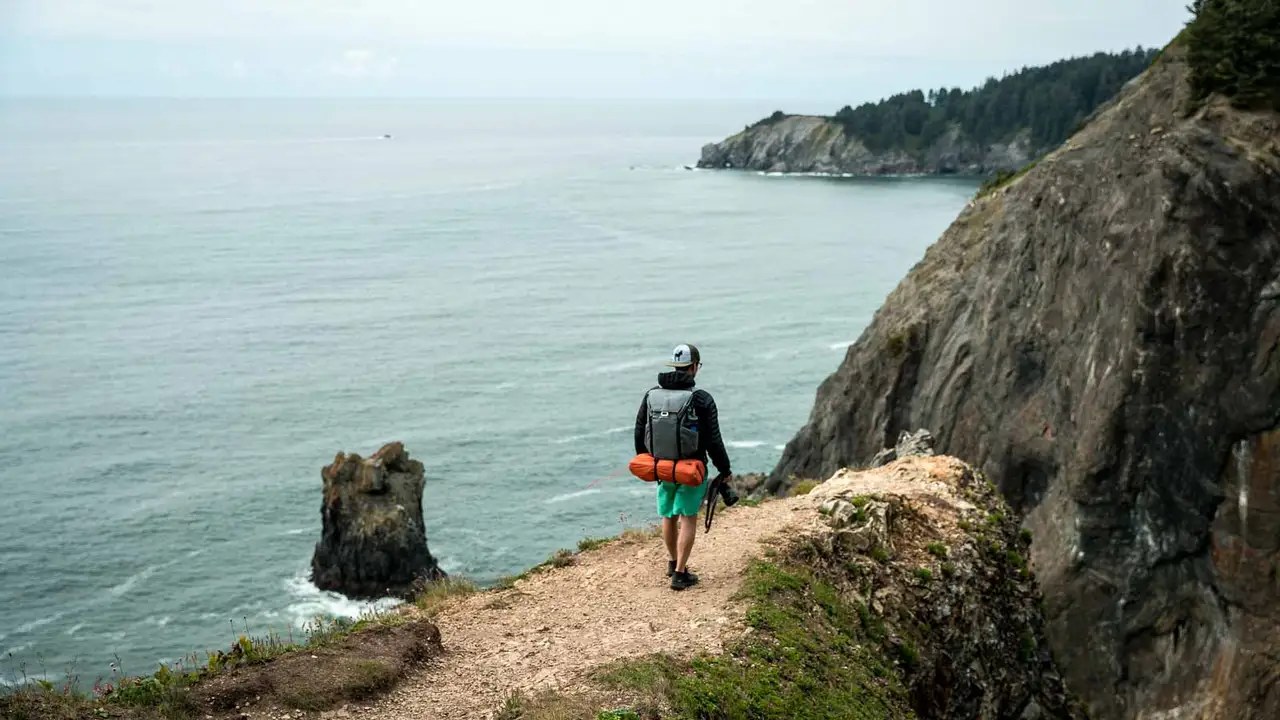
Footwear: Sturdy hiking boots with good ankle support are essential for protecting your feet from rough terrain. Choose boots that are well-broken in to prevent blisters. Wool socks will help wick away moisture and prevent chafing. Consider the Merrell Moab 2 Mid Waterproof Hiking Boots.
Accessories: A wide-brimmed hat, sunglasses, and a bandana or neck gaiter are essential accessories for sun protection. Gloves can protect your hands from thorns and sharp rocks. Consider the Outdoor Research ActiveIce Chroma Sun Gloves.
Product Comparison: * Merino Wool vs. Synthetic Fabrics: Merino wool is naturally odor-resistant and provides good insulation, while synthetic fabrics are more durable and dry faster. * Hiking Boots vs. Trail Runners: Hiking boots offer better ankle support and protection, while trail runners are lighter and more flexible. Pricing: * Patagonia Capilene Cool Lightweight Shirt: $50 - $60 * Prana Stretch Zion Pants: $80 - $90 * Merrell Moab 2 Mid Waterproof Hiking Boots: $100 - $120 * Outdoor Research ActiveIce Chroma Sun Gloves: $30 - $40
Desert Food and Nutrition Fueling Your Body
Maintaining your energy levels in the desert requires careful planning and attention to nutrition. Choose foods that are high in calories, electrolytes, and essential nutrients.
Calorie-Dense Foods: Pack foods that are high in calories and easy to digest. Trail mix, energy bars, nuts, and dried fruit are good options. Consider the ProBar Meal Replacement Bar, which provides a balanced mix of carbohydrates, protein, and fats.
Electrolytes: Sweating profusely in the desert can lead to electrolyte imbalances. Replenish electrolytes by drinking sports drinks or taking electrolyte tablets. Consider the Nuun Sport Electrolyte Tablets.
Hydration: As mentioned earlier, staying hydrated is crucial. Avoid sugary drinks, which can dehydrate you. Water is always the best choice. Consider adding electrolyte powder to your water for added benefits.
Product Comparison: * Energy Bars vs. Trail Mix: Energy bars provide a concentrated source of calories, while trail mix offers a variety of nutrients and textures. * Sports Drinks vs. Electrolyte Tablets: Sports drinks contain sugar and electrolytes, while electrolyte tablets allow you to customize your electrolyte intake. Pricing: * ProBar Meal Replacement Bar: $3 - $4 per bar * Nuun Sport Electrolyte Tablets: $7 - $8 per tube (10 tablets) * High-Quality Trail Mix: $5 - $10 per bag
:max_bytes(150000):strip_icc()/277019-baked-pork-chops-with-cream-of-mushroom-soup-DDMFS-beauty-4x3-BG-7505-5762b731cf30447d9cbbbbbf387beafa.jpg)